
21-03-2026 15:13
Lepista ZacariasHello everyone, Does any one know of any literatu
20-10-2017 09:23
Garcia SusanaEste otro crecía en el mismo trocito de madera qu
20-03-2026 16:16
 Edvin Johannesen
These 0.5 mm diam. acervuli were breaking through
19-03-2026 19:34
 Filip Fuljer
Hello everyone,a few days ago I collected this str
19-03-2026 18:25
 William Slosse
Good evening everyone, On 18/03/26 I found a few
17-03-2026 10:09
 François Freléchoux
Bonjour, Voici la description rapide d'un petit d
19-03-2026 17:50
 Enrique Rubio
Hi to everybodyThese thiny, blackish pseudothecia
18-03-2026 13:09
 Khomenko Igor
I recently examined Celtis occidentalis branches
I found this one on bark of death twig Salix sp.The apothecia diam. max 2 mm. Paraphyses cylindrical diam. max. 3 µm. The asci are ??? spores 80-110 x 8-10 µm. Ascospores Ascokonidia diam. max 8 µm. When I put 10% KOH turns weakly orange. The scospores 13-19 x (3)4-5(5,5) µm
Thanks
Palo
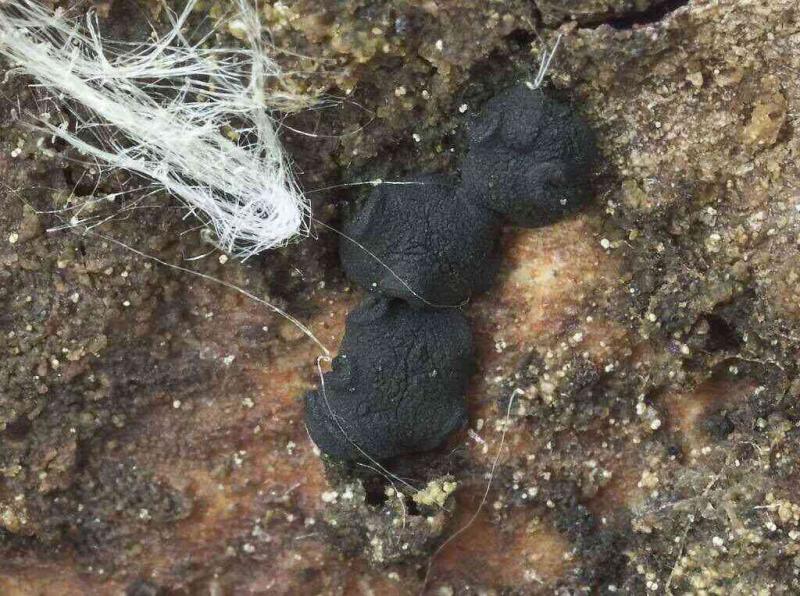
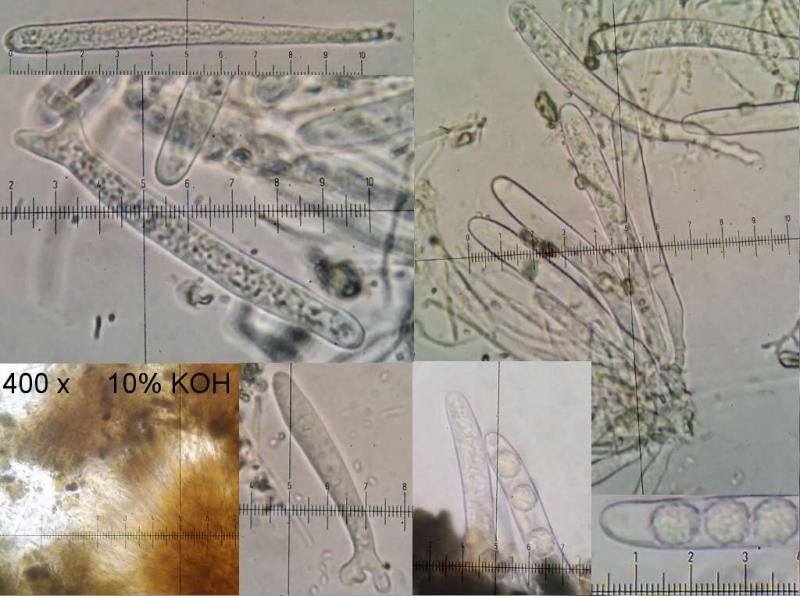

Possibly Clasasenomyces atrovirens.
Zotto
Priscila
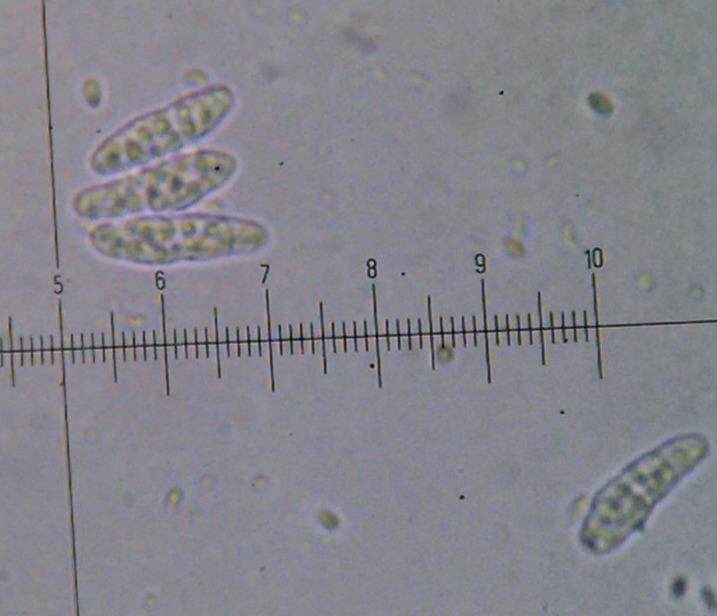
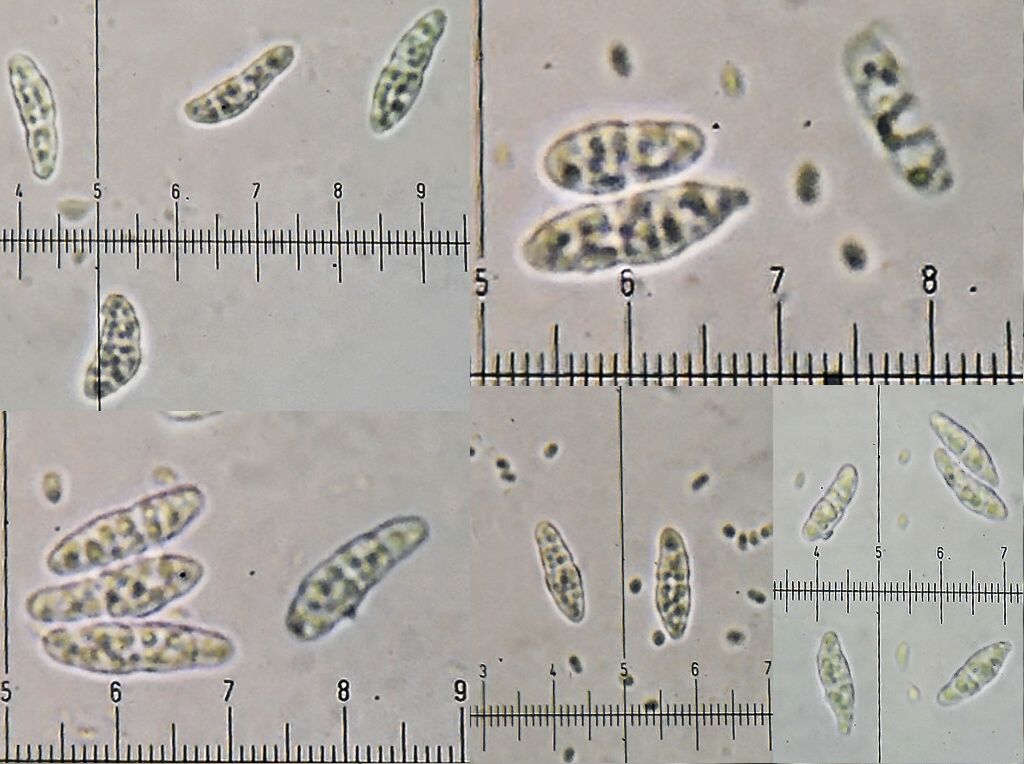 ascospores
these similar fungus we have determinate than Tympanis xylophila P. Karst. (Claussenomyces xylophilus comb.nov. Baral ?). The micros are not the best, but its to see, how the muriform septate ascospores (in the left pictures) decay and unite to the balls of ascoconidia. In our opinion its difficult, to see the both in good condition in the same time.
Greetings Peter.
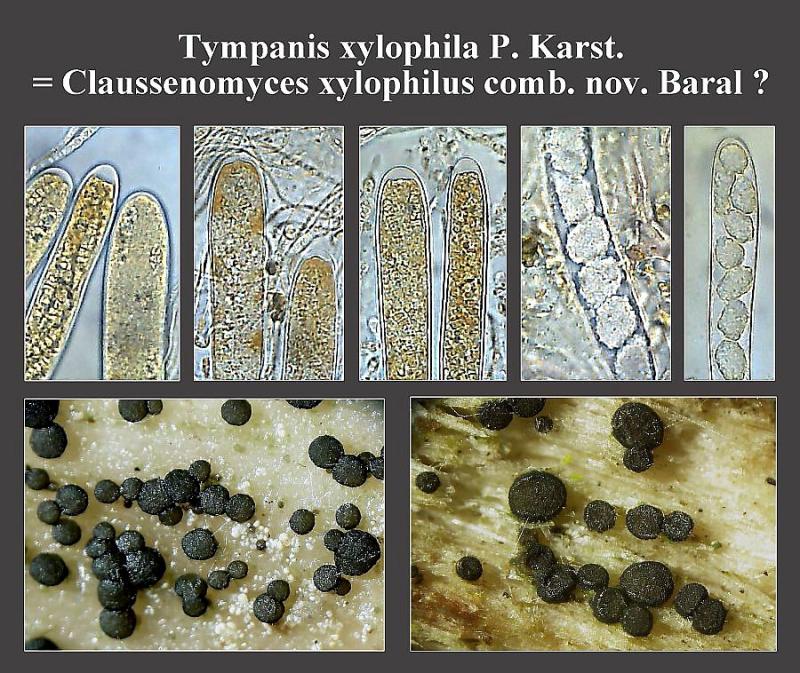
The fungus of Pavol has apparently rather small asci, not really sure what it is. And the free 3-septate spores you showed us, do they come from the`se asci?
Zotto
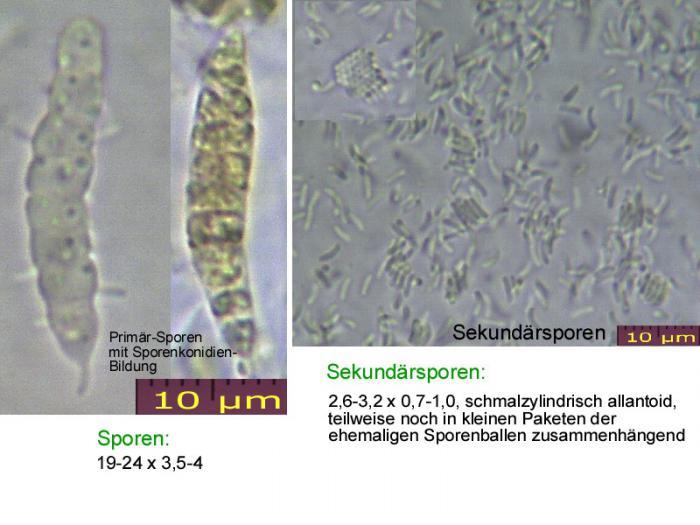
with "we" in my last post were I. W. and I believed. He was my "pupil" and just with this photo if it could have been that we would have done this finding together and would have determined.
The collage is also no accurate documentation, but should show Pavol towards only the unusual development in this type.
Greetings Peter.