
28-04-2026 20:07
 Lothar Krieglsteiner
... on twig in the air at standing Ceratonia siliq
04-05-2026 18:13
 Stephen Martin Mifsud
ID request for what seems to be a true aquatic fun
04-05-2026 16:39
Stephen Martin Mifsud
ID request: This specimen was collected in Malta o
04-05-2026 09:50
 Castillo Joseba
Me mandan el material seco de Galicia,(España) re
02-05-2026 12:42
Alain BRISSARDBonjour à tousJeuidi 30 avril dernier on m'a remi
02-05-2026 13:06
Pauline. PennaBonjour Please can someone help me with this id
01-05-2026 22:45
 Thierry Blondelle
Bonjour à tous, Une récolte sur bouse séchée d
14-04-2026 05:32
Ethan CrensonHi all, A few weeks back a friend pointed out som
28-04-2026 20:33
Vitus SchäfftleinHello, I found Trochila ilicina on Ilex aquifoliu
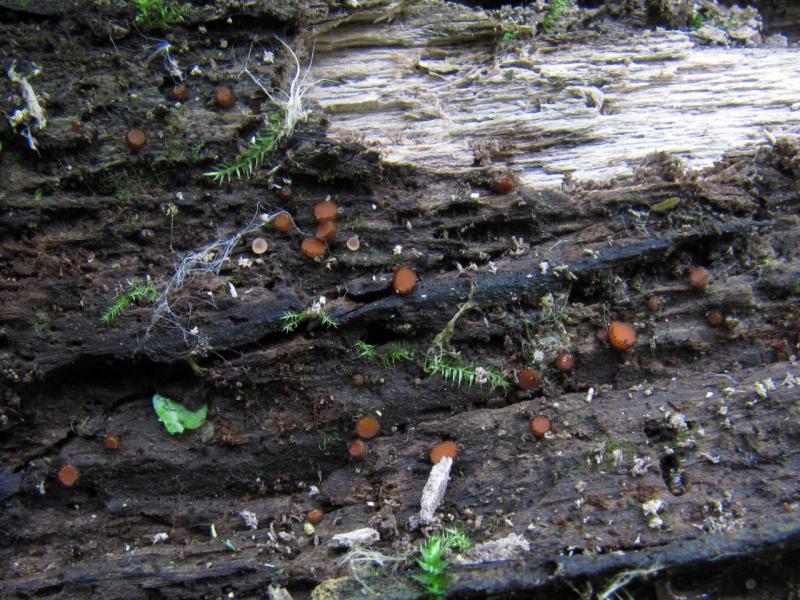
Small Scutellinia on wood
Malcolm Greaves,
23-07-2013 00:00
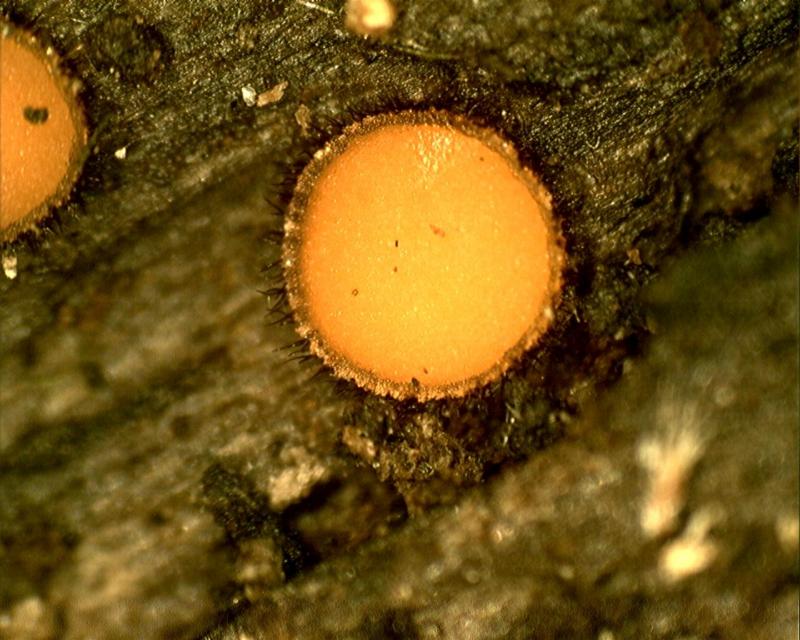
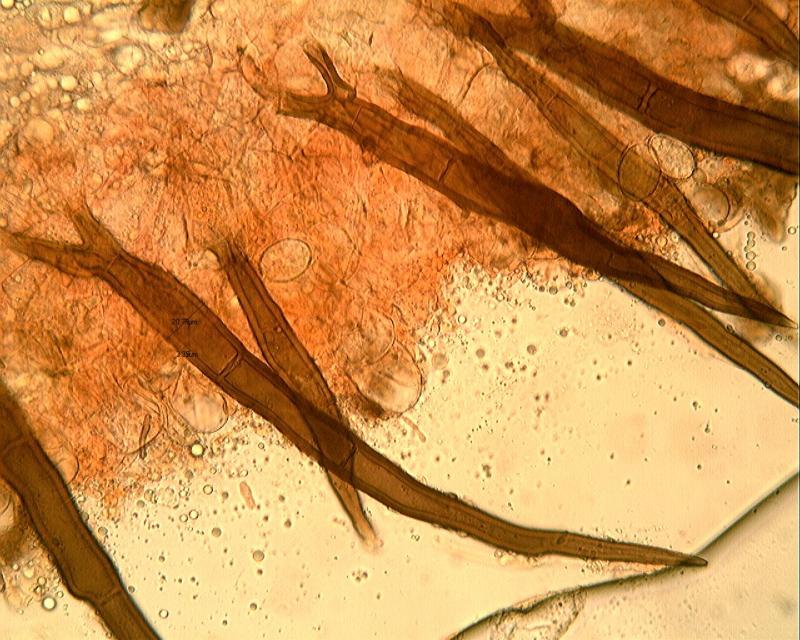
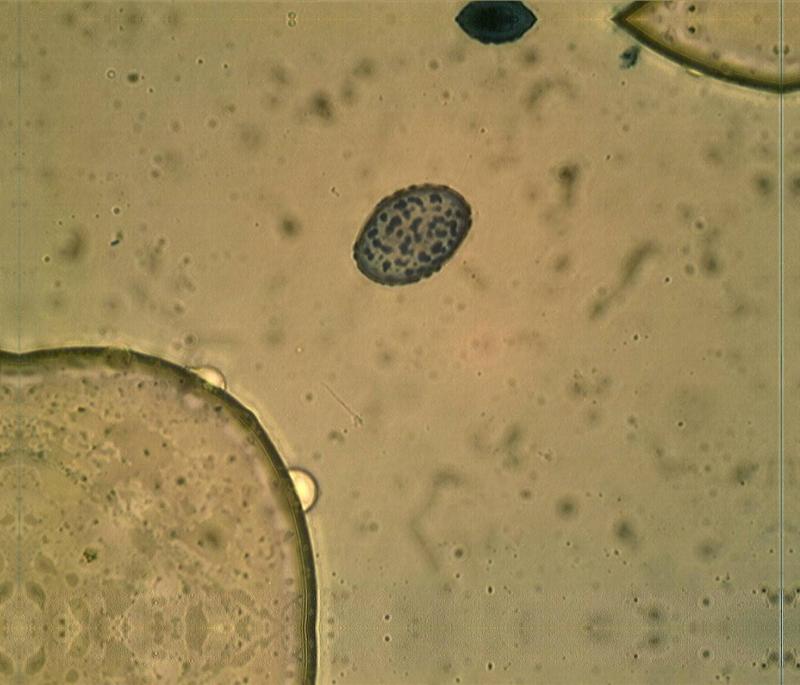
 This group of small Scutellinia (maxium size 2.5mm) with relatively long hairs (5oo x 20) with simple or bifurcate hairs had me convinced I had S setosa.
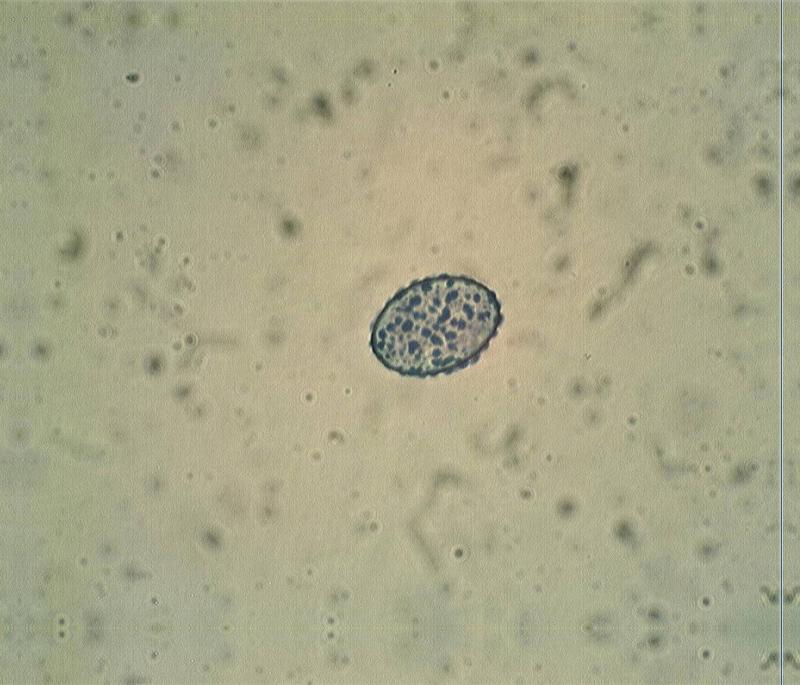
The spores turned out to be slightly too big at 21-22 x 13 and the ornamentation confirmed it definitely was not S setosa.
With large tubercules could this be S heterosculpturata?
Thanks
Mal
Beñat Jeannerot,
23-07-2013 06:00

Re : Small Scutellinia on wood
Adio Mal,
Surely, you're right, it's not S. setosa. S. setosa is recognized easily at the naked eye by form of apothecia, colour yellow to yellowish, and very black hairs.
Second hypothesis, S. heterosculpturata doesn't correspond. This species is recognized by elongated spores (Q>1.7) and a mix of very little warts and some big in the middle.
Here, without spores, I will say a species of "S. nigrohirtula" complex. In fact, two species are in this complex, probably one on soil and one on wood but I haven't finished the study. Here, hairs are typical.
With spores, it's difficult to confirm this, but I repeat it's necessary to have sporogram with a lot of mature spores, naturally ejected, to be sure that sporal ornementation is homogeneous. Here, we have just one spore and it's difficult to say anything around this.
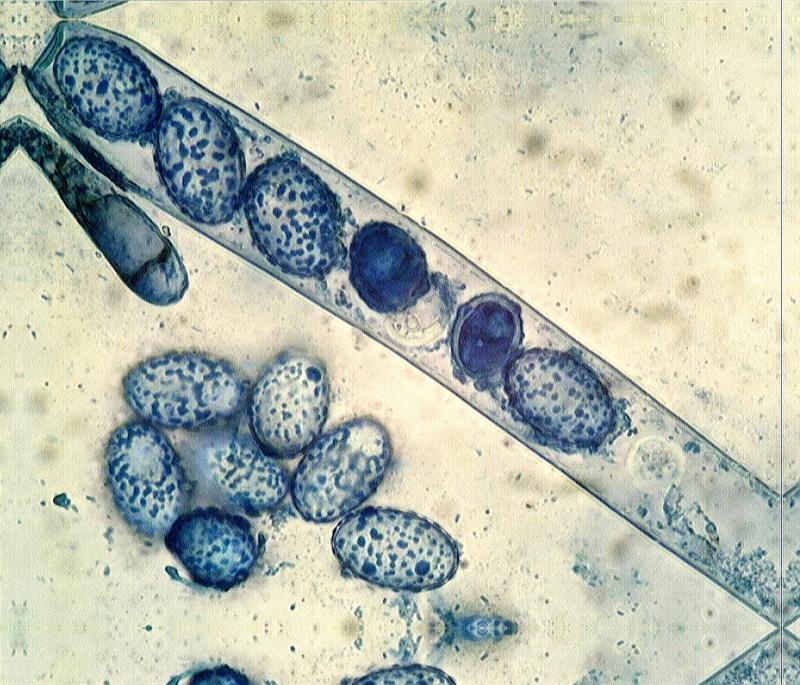
In this genus, it's very common to have different views of sporal ornementation between mature apothecium, immature, spores in asci or not, in sporogram or alone in the water.
That's why it's very necessary to have sporogram in CB.
Amically,
Beñat
Surely, you're right, it's not S. setosa. S. setosa is recognized easily at the naked eye by form of apothecia, colour yellow to yellowish, and very black hairs.
Second hypothesis, S. heterosculpturata doesn't correspond. This species is recognized by elongated spores (Q>1.7) and a mix of very little warts and some big in the middle.
Here, without spores, I will say a species of "S. nigrohirtula" complex. In fact, two species are in this complex, probably one on soil and one on wood but I haven't finished the study. Here, hairs are typical.
With spores, it's difficult to confirm this, but I repeat it's necessary to have sporogram with a lot of mature spores, naturally ejected, to be sure that sporal ornementation is homogeneous. Here, we have just one spore and it's difficult to say anything around this.
In this genus, it's very common to have different views of sporal ornementation between mature apothecium, immature, spores in asci or not, in sporogram or alone in the water.
That's why it's very necessary to have sporogram in CB.
Amically,
Beñat
Malcolm Greaves,
24-07-2013 12:29
Re : Small Scutellinia on wood
Does this help at all?
Mal
Mal
Beñat Jeannerot,
25-07-2013 07:00
Re : Small Scutellinia on wood
Adio Mal,
Interesting. I responded to your mail.
Beñat
Interesting. I responded to your mail.
Beñat