
28-04-2026 20:07
 Lothar Krieglsteiner
... on twig in the air at standing Ceratonia siliq
04-05-2026 18:13
 Stephen Martin Mifsud
ID request for what seems to be a true aquatic fun
04-05-2026 16:39
Stephen Martin Mifsud
ID request: This specimen was collected in Malta o
04-05-2026 09:50
 Castillo Joseba
Me mandan el material seco de Galicia,(España) re
02-05-2026 12:42
Alain BRISSARDBonjour à tousJeuidi 30 avril dernier on m'a remi
02-05-2026 13:06
Pauline. PennaBonjour Please can someone help me with this id
01-05-2026 22:45
 Thierry Blondelle
Bonjour à tous, Une récolte sur bouse séchée d
14-04-2026 05:32
Ethan CrensonHi all, A few weeks back a friend pointed out som
28-04-2026 20:33
Vitus SchäfftleinHello, I found Trochila ilicina on Ilex aquifoliu
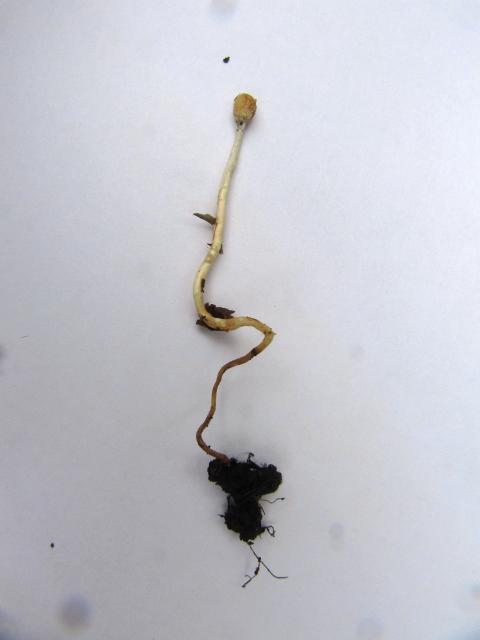
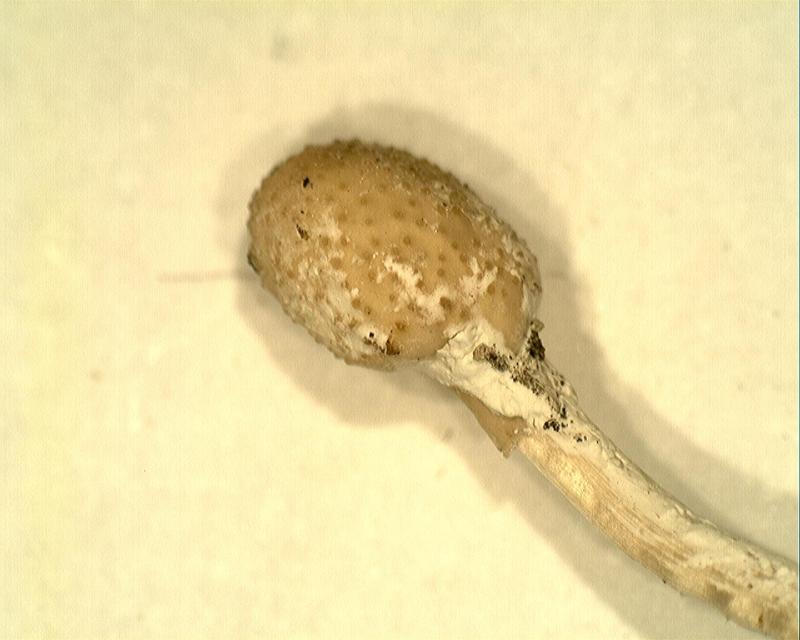
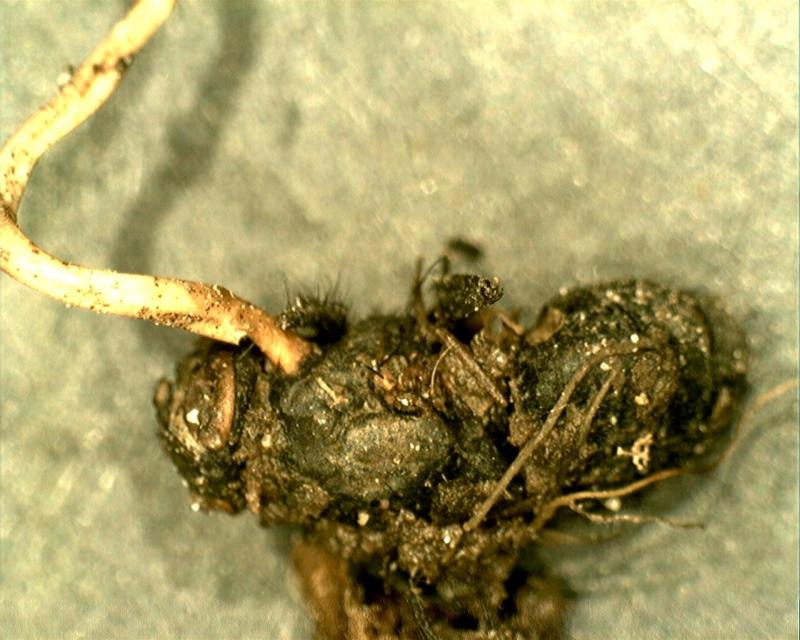
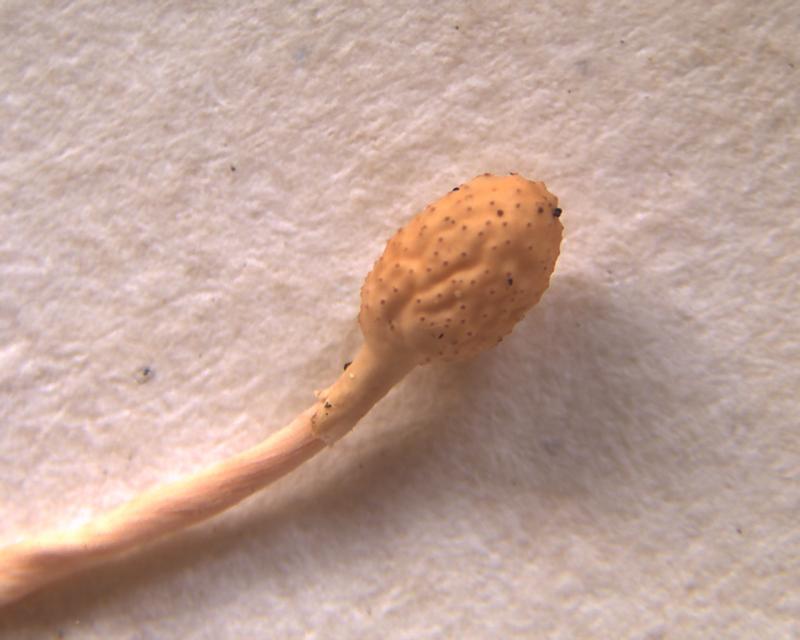
 This Cordyceps was growing from a fly which should make it Cordyceps forquignoniiC but the only information I have says that the "head" should be 1-2 mm and globose.
Cordyceps sphecocephalaon the other had should be 3-6 x 1.5-3 mm but on wasp.
This specimen was 4 x 3 mm
What should I look for to distinguish the species?
Thanks
Mal

here a key to this genus.
rgeards
 Catalogue-des-Cordyceps-CLL-2-0001-0001.doc
the following file is updated:
http://www.ascofrance.fr/uploads/document/Catalogue-des-Cordyceps-CLL-4-0001-version-definitive-0001.doc
Regards,
Christian
Mal

note the passage in the document to which Christian has provided the link:
"Littérature : on trouve cette espèce sous le nom de C. dittmari, C. sphecocephala f. ditmarii (=ditmari), C. sphecophila, ou C. sphecocephala (Les récoltes européennes doivent être rapportées à Ophiocordyceps ditmari)." (my underlining - I think the problem is that some of the other names have been variously interpreted in the past).
cheers
Chris

It is certainly Ophiocordycerps ditmari. I have attached two photos taken by a friend a week ago.
Regards.
Michel.
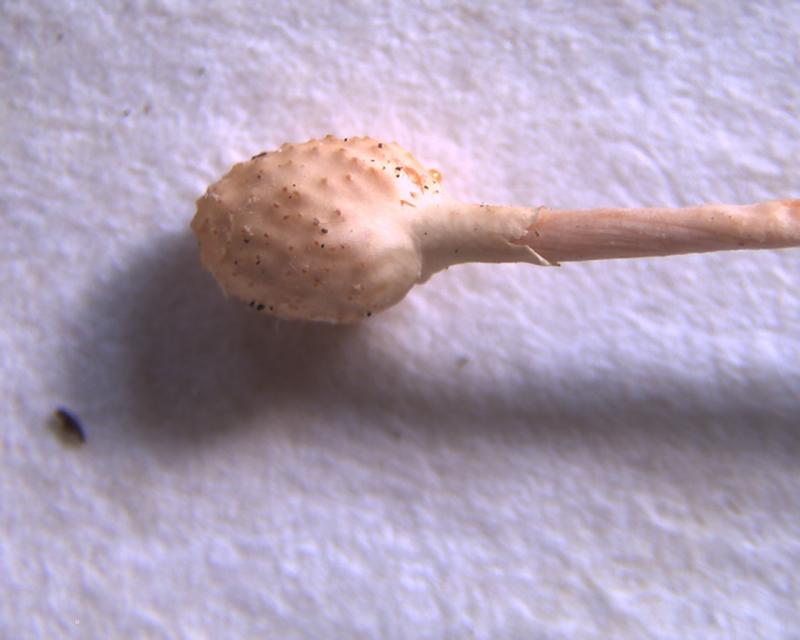
Hi to all,
Traditionally, the specimens collected on wasps were named C. sphecocephala or O. ditmari and the specimens on flies C. forquignonii. We have studied both specimens, cultures and molecular data indicate that they are the same species.
Cordyceps forquignonii Quelet has never been collected since the publication and nobody really knows what it is. Holotype disappeared and we have only an illustration, which contains numerous incoherences.
Regards,
Christian