
16-03-2011 14:31
roman vargas albertoHi. I would like some opinion about this Peziza
14-05-2026 05:36
Ethan CrensonHi all, I haven't paid much attention to Lachnu
10-05-2026 23:17
 Andreas Gminder
Hello,today we found in a moist steep decidous for
11-05-2026 12:32
 Bernard CLESSE
Pourriez-vous m'aider à identifier cette héloti
13-05-2026 15:26
 François Freléchoux
Bonjour,Voici une récolte faite il y a quelques j
12-05-2026 15:41
 Nicolas VAN VOOREN
Dear Ascolovers, especially interested in Pezizale
13-05-2026 12:05
 Thierry Blondelle
Bonjour à tous,J'aimerais avoir confirmation de c
28-04-2026 20:07
 Lothar Krieglsteiner
... on twig in the air at standing Ceratonia siliq
27-04-2026 20:52
Lothar Krieglsteiner
Found on hanging tiwg of Olea europaea in dried-ou
11-05-2026 20:22
Lothar Krieglsteiner
on attached twig of standing Ficus caricaquite uns
Cercophora Septentrionalis?
Joop van der Lee,
25-04-2013 11:50
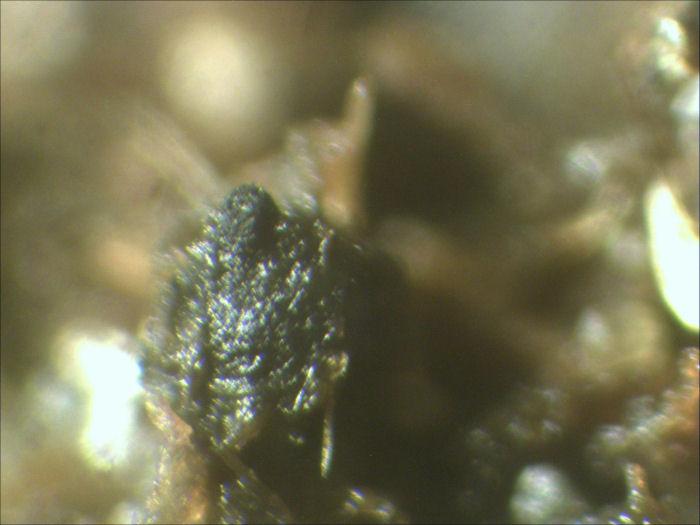
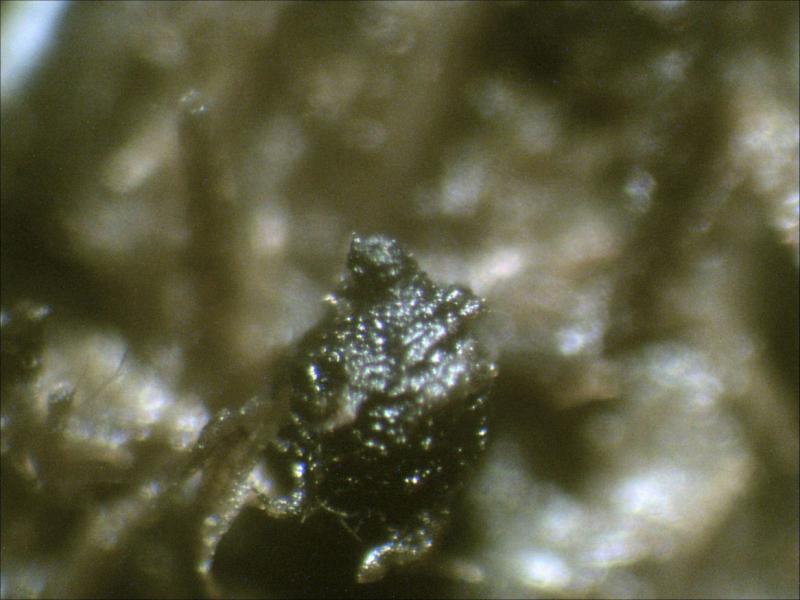
 Found on horse dung.
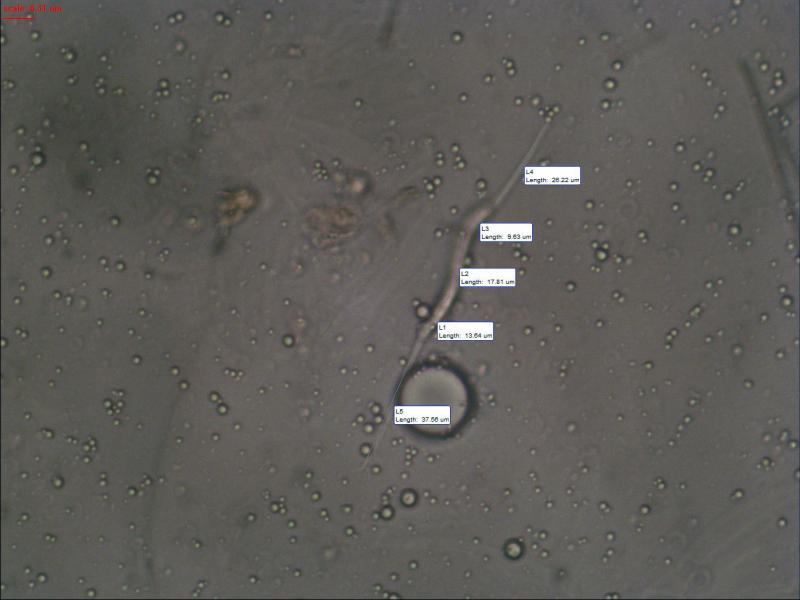
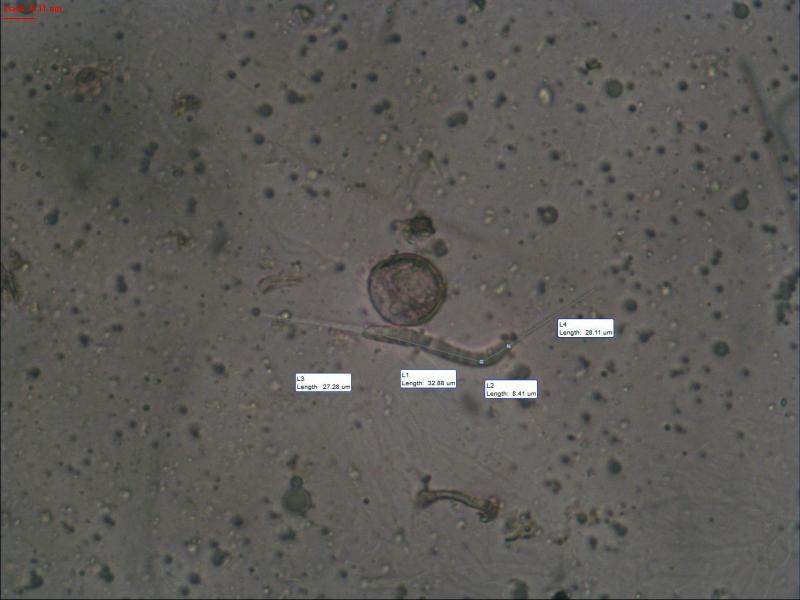
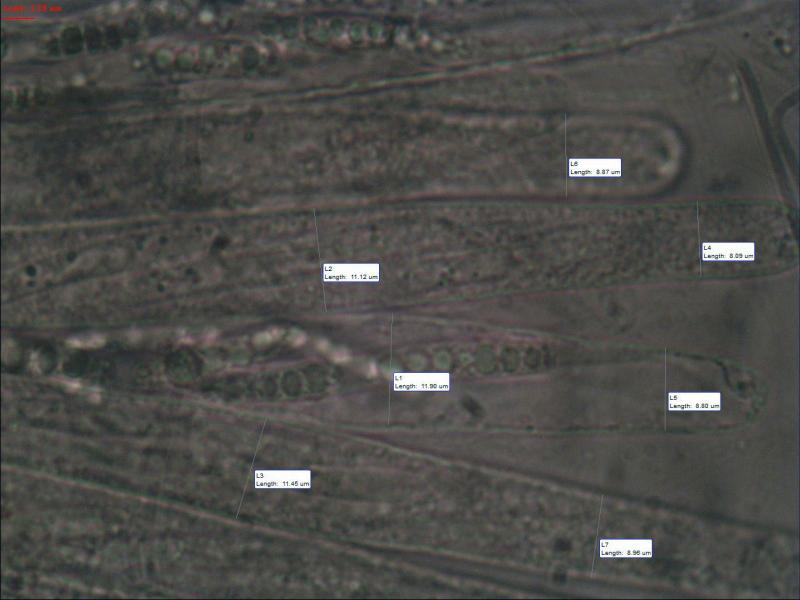
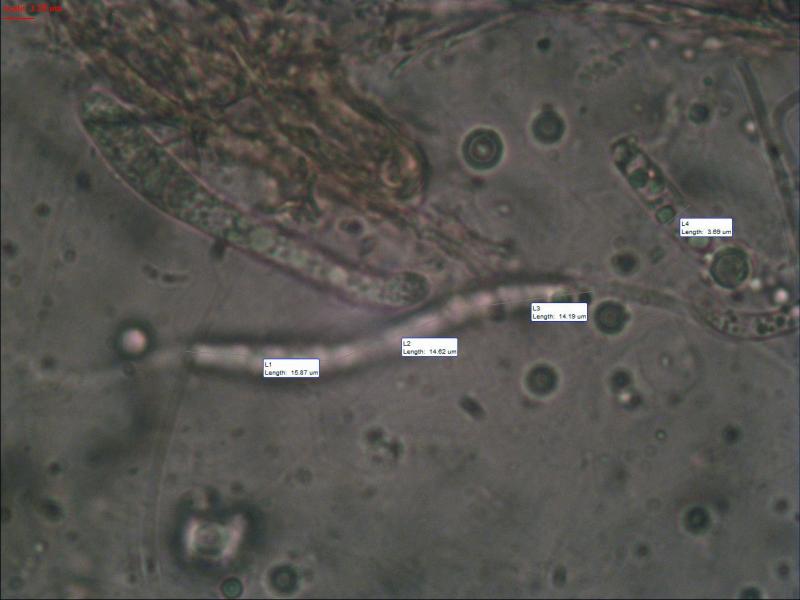
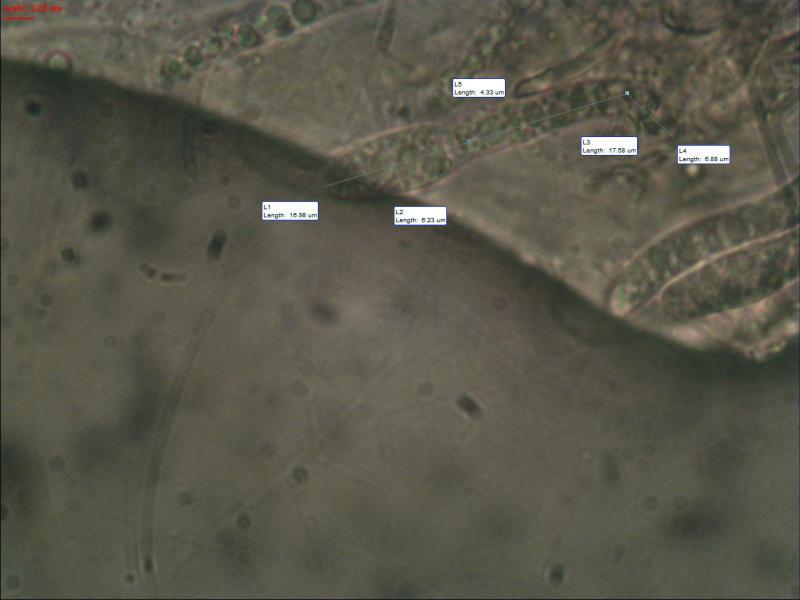
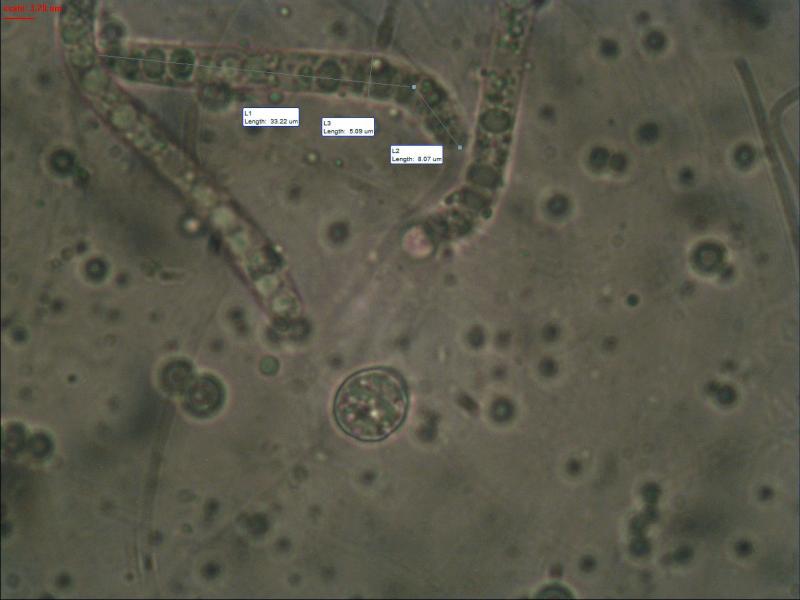
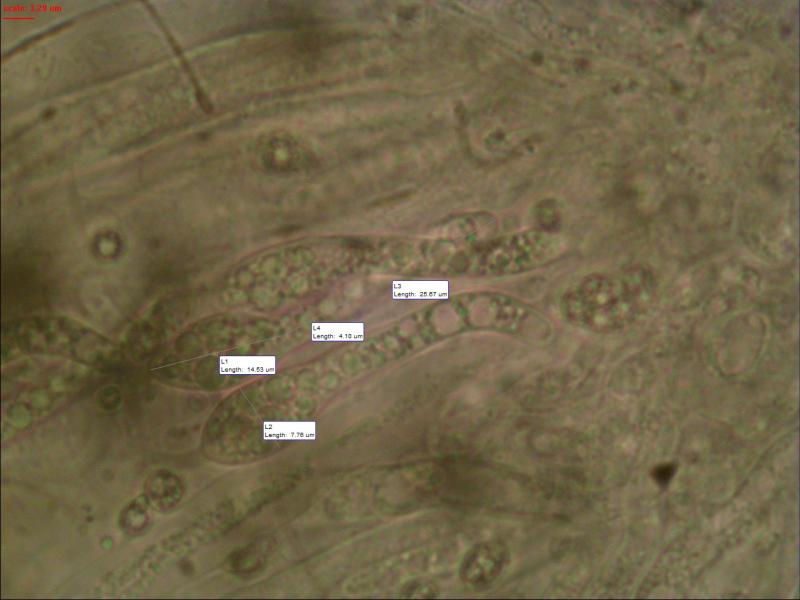
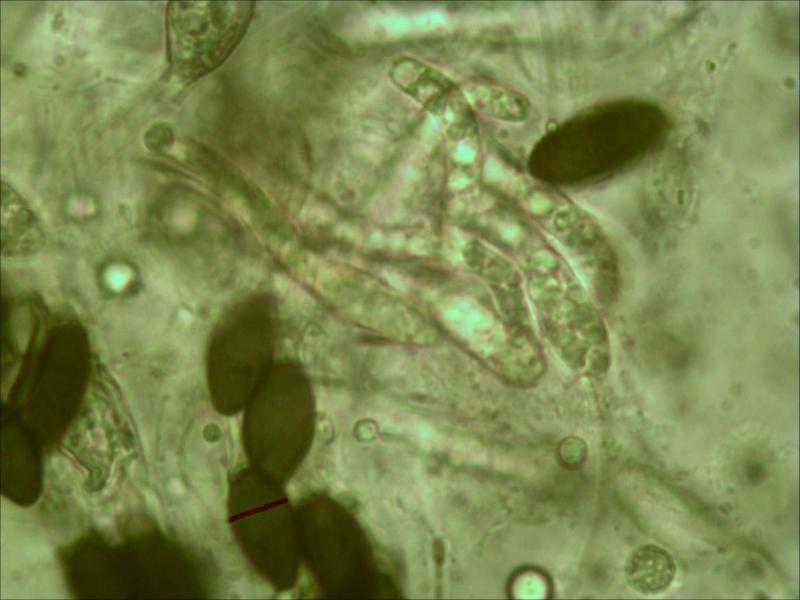
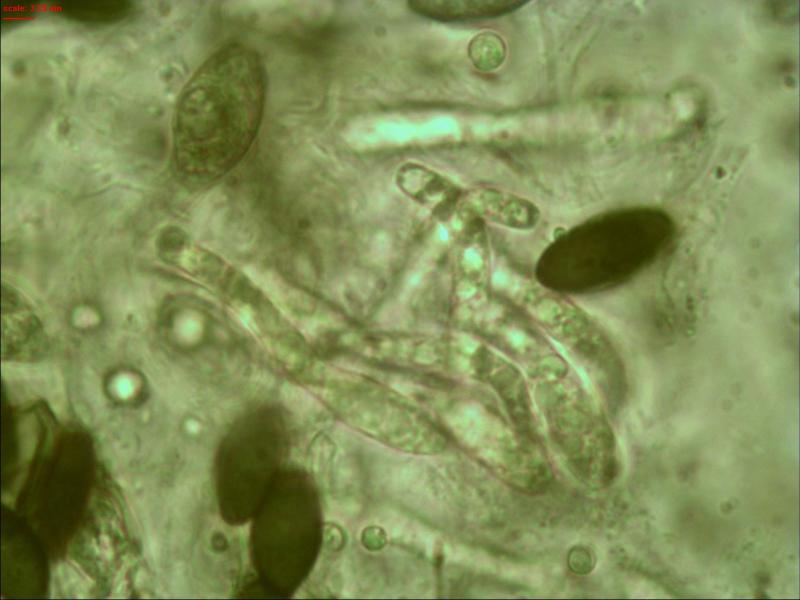
Eventhough the spores are not mature yet, my question is if this is a Cercophora because there can be a confusion with Podospora.
However one-celled spores are discharged from the asci when they are still hyaline and this does not occus with Podospora.
Excuses that not all lphotos are in focus but too much pressure on the deck glass will result in breaking off for the two cauda.
Michel Delpont,
25-04-2013 15:45

Re : Cercophora Septentrionalis?
Salut Joop.
Oui, il s'agit bien d'un Cercophora; peut être septentrionalis. Les pigments violets que l'on devine guide vers ce dernier. Genre difficile où il est aussi important d'observer les parois.
Michel.
Oui, il s'agit bien d'un Cercophora; peut être septentrionalis. Les pigments violets que l'on devine guide vers ce dernier. Genre difficile où il est aussi important d'observer les parois.
Michel.
Joop van der Lee,
25-04-2013 15:54
Re : Cercophora Septentrionalis?
Merci Michel,
The colour of the perithium skin is light violet.
Joop
The colour of the perithium skin is light violet.
Joop
Norbert Heine,
25-04-2013 18:10

Re : Cercophora Septentrionalis?
When you say, that the color of the peridium is violet, than it's possible that this is really Cercophora septentrionalis.
You must have a look also for the subapical globolus. In C. septentrionalis it is absent or poorly to see.
But to be sure, you shoud wait until the spores are mature to see the septum!
It seems to be also a rare species, which I could find only two times. Each on horse dung!
Best wishes Norbert
You must have a look also for the subapical globolus. In C. septentrionalis it is absent or poorly to see.
But to be sure, you shoud wait until the spores are mature to see the septum!
It seems to be also a rare species, which I could find only two times. Each on horse dung!
Best wishes Norbert
Joop van der Lee,
25-04-2013 18:30
Re : Cercophora Septentrionalis?
Hello Norbert,
I will have a look tonight if I can still find them, I have been reading an article that this species is having mature spore only after 30 days so I have to be lucky to catch one with mature spores.
I looked closer at the picture of the fruitbody and indeed is has short stiff hairs on top of the neck.
Joop
I will have a look tonight if I can still find them, I have been reading an article that this species is having mature spore only after 30 days so I have to be lucky to catch one with mature spores.
I looked closer at the picture of the fruitbody and indeed is has short stiff hairs on top of the neck.
Joop
Michel Delpont,
25-04-2013 19:53
Re : Cercophora Septentrionalis?
Hello Joop and Norbert.
I regularly find this species is on horse dung, either donkey dung.
This is a beautiful specie.
Regards
Michel.
I regularly find this species is on horse dung, either donkey dung.
This is a beautiful specie.
Regards
Michel.
Joop van der Lee,
17-05-2013 00:09
Re : Cercophora Septentrionalis?
Hello Norbert,
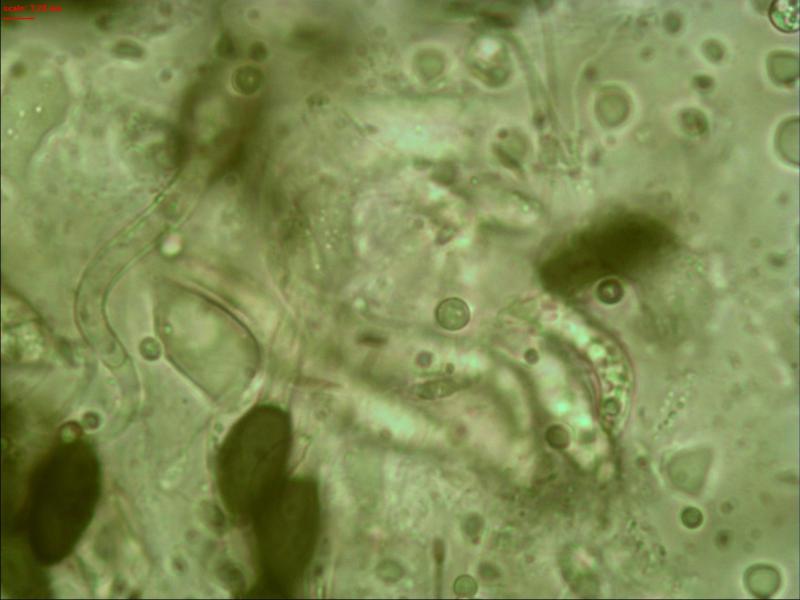
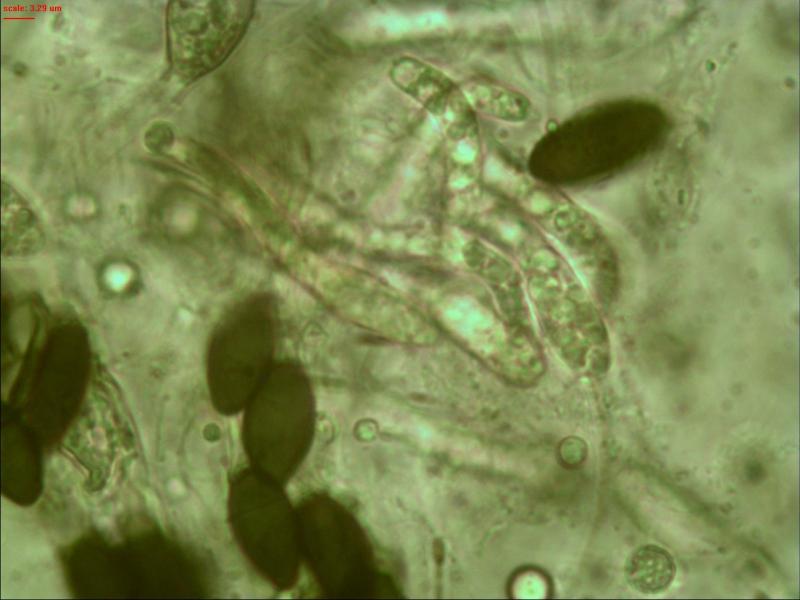
I finally found one with mature spores.
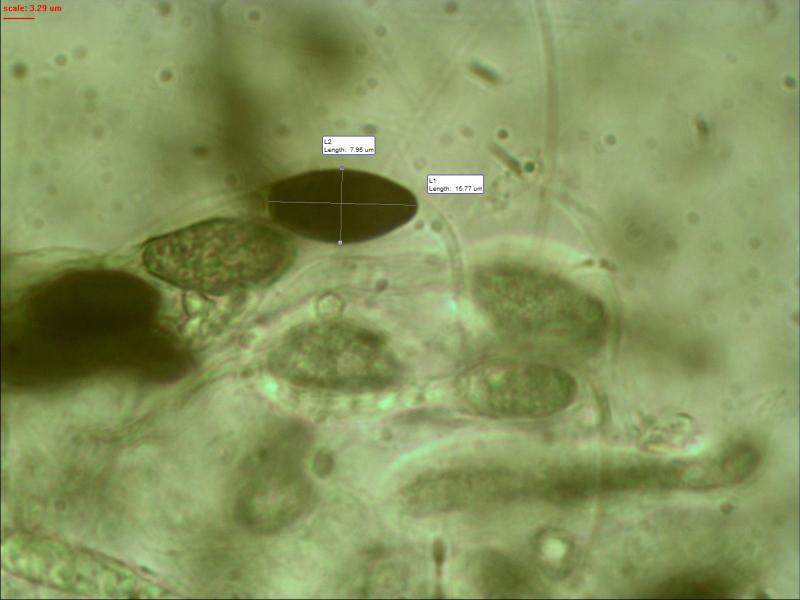
Only one spore was found where I could see a transverse septum (photo-2 is drawn and the last photo is real).
Sporehead measured: 15.77x7.95 um
Spores produced two caudas one at the end of the pedicel and the other at the side of the germ pore.
I finally found one with mature spores.
Only one spore was found where I could see a transverse septum (photo-2 is drawn and the last photo is real).
Sporehead measured: 15.77x7.95 um
Spores produced two caudas one at the end of the pedicel and the other at the side of the germ pore.
Michel Delpont,
17-05-2013 10:31
Re : Cercophora Septentrionalis?
It is well C.septentrionalis.
Michel.
Michel.
Joop van der Lee,
17-05-2013 13:16
Re : Cercophora Septentrionalis?
Merci Michel.