

22-04-2026 20:17
 Marian Jagers
Is anyone familiar with the Hyphomycetes genus Pse
22-04-2026 20:54
 Enrique Rubio
Hi to everybody.This Pyrenopeziza grew in moist le
22-04-2026 01:06
 Richard VALERI
Bonjour à tous.Je vous présente cette Nectria s.
21-04-2026 13:36
Gernot FriebesHi,I am out of ideas for this one. I collected Sal
21-04-2026 13:19
Gernot FriebesHi,this Lophodermium on Typha has ascospores measu
21-04-2026 13:05
Gernot FriebesHi,this hyphomycete feels familiar but I was not a
Calospora arausiaca?
Enrique Rubio,
12-04-2013 20:29
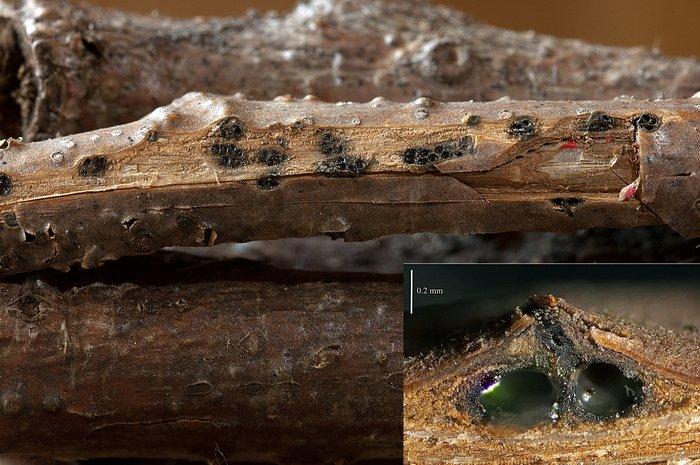
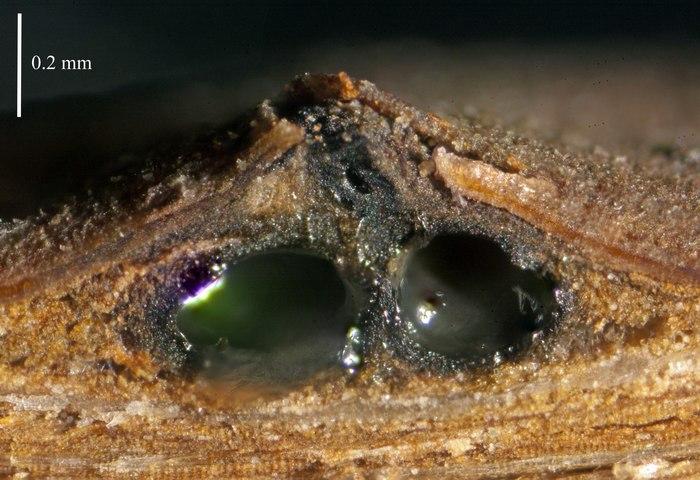
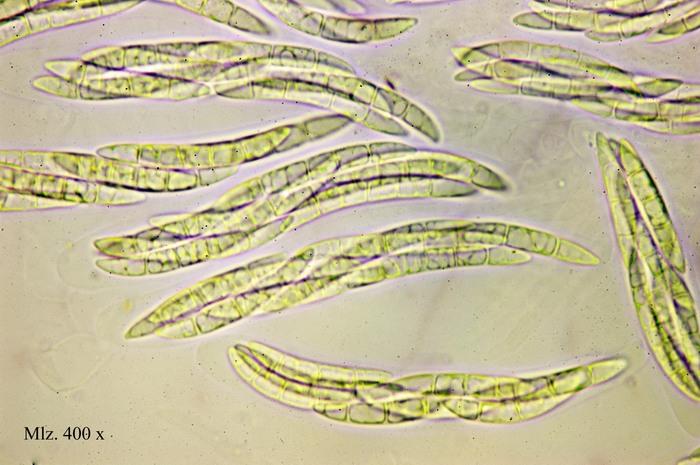
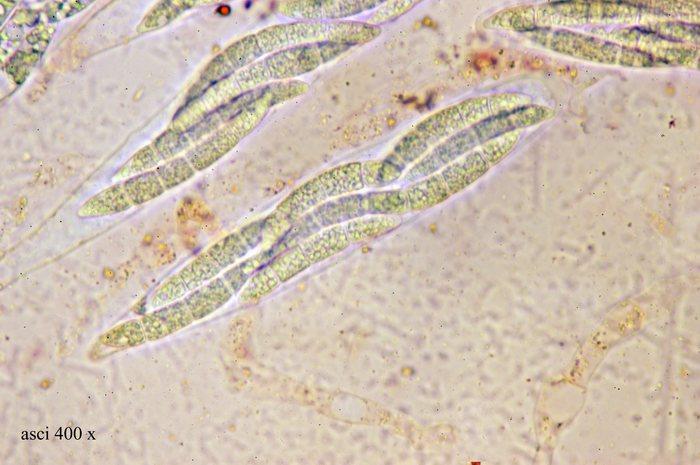
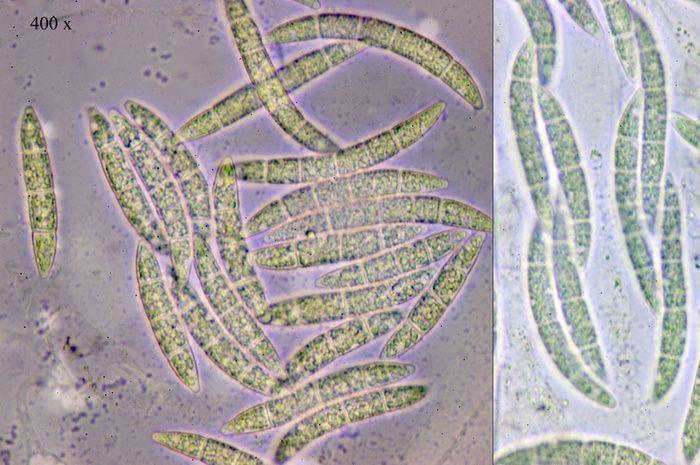
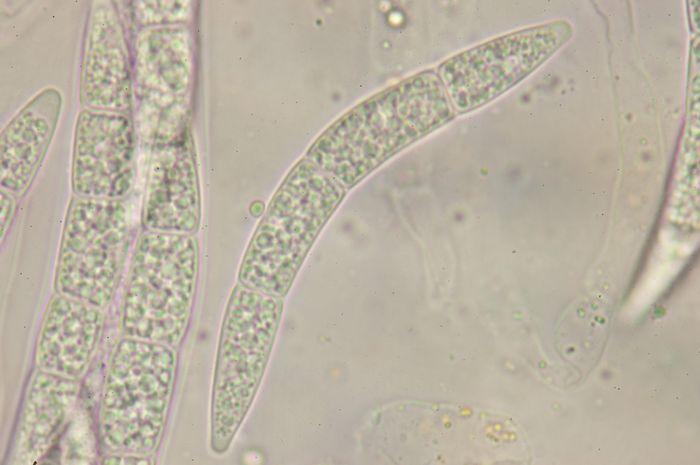
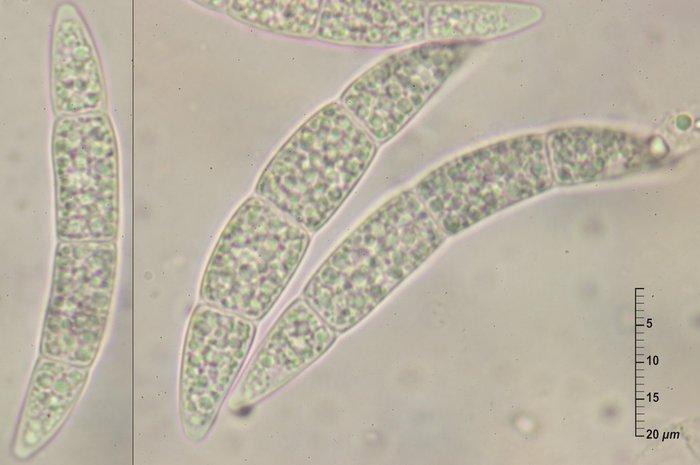
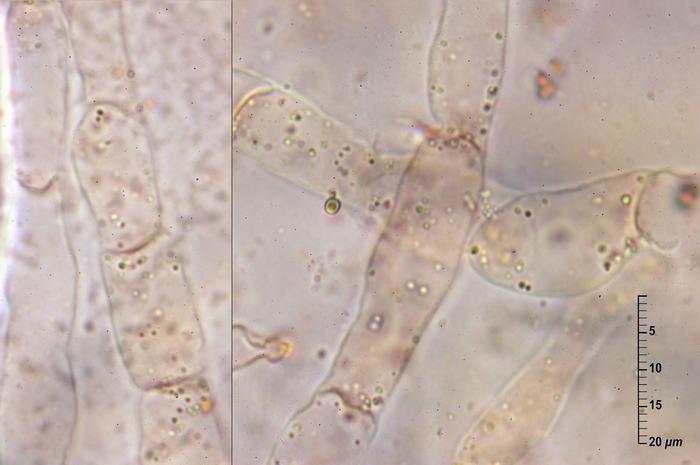
Hi to everibodyThis fungus, collected on thin branches of Quercus robur, seems to be Calospora arausiaca (Fabre) Sacc. but do you know what's the actual status of this fungus?
In Whemeyer's Revision of Pseudovalsa....he says that could be only an inmature form of Pseudovalsa umbonata (actually Prosthecium pyriforme Jaklitsch & Voglmayr).
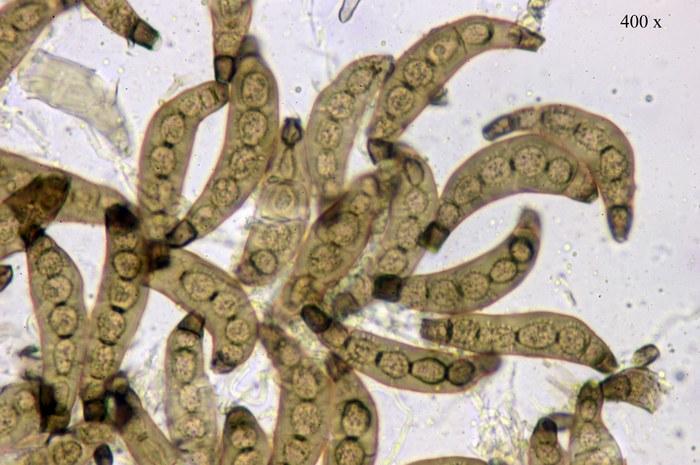
Close to the fruitbodys I have found acervuli and brownish conidia of perhaps their anamorphic state. Do you know if this conidia belong to the sexual state that I have found?
Could this fungus be an inmature state of Pseudovalsa longipes?
Many thanks again



Björn Wergen,
12-04-2013 21:27

Re : Calospora arausiaca?
Hi Enrique,
quite interesting finding, I think this is C. arausiaca, but I do not know anything about the anamorph.
regards,
björn
quite interesting finding, I think this is C. arausiaca, but I do not know anything about the anamorph.
regards,
björn
Hans-Otto Baral,
12-04-2013 21:59

Re : Calospora arausiaca?
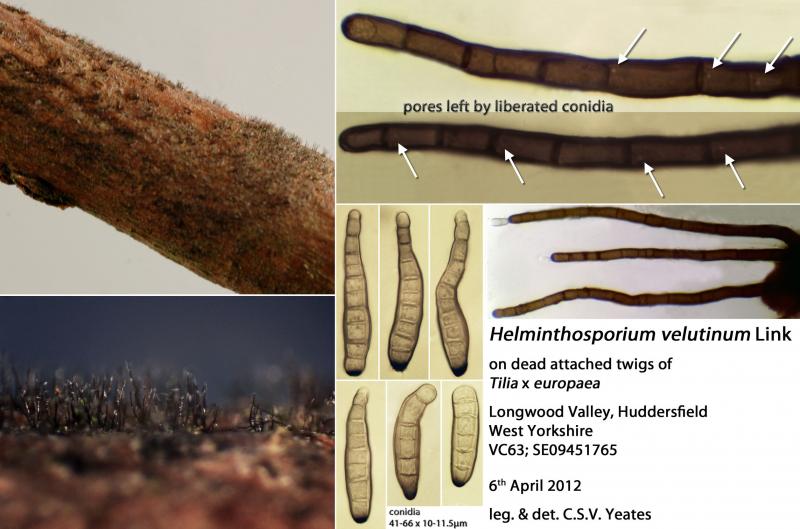
I know these conidia as Helminthosporium velutinum. Is it the anamorph of Letendraea helminthicola or only the host of the Letendraea (see Boudier pl. 580)? Is it the anamorph of Chaetosphaeria as the IF pretends?
The Ana-Teleo database gives instead four further genera as teleomorph of Helminthosporium.
Zotto
The Ana-Teleo database gives instead four further genera as teleomorph of Helminthosporium.
Zotto
Chris Yeates,
12-04-2013 23:24

Re : Calospora arausiaca?
With respect to Zotto; in my opinion this is not Helminthosporium (see image); Enrique specifically mentions acervuli and I think these are conidia of a Coryneum (Diaporthales) and therefore quite possibly a Pseudovalsa anamorph.
amitiés
Chris
amitiés
Chris
Hans-Otto Baral,
12-04-2013 23:33
Re : Calospora arausiaca?
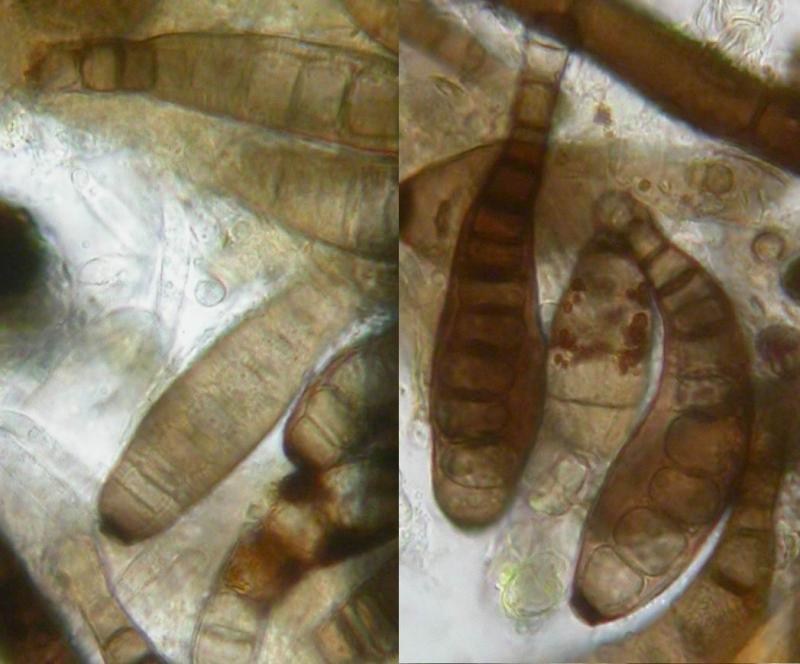
Yes, you are right Chris, I was surprised about the very strong similarity, the identical distosepta, and also the striate structure in the wall of the conidia. They look perfectly the same. When they are actually formed inside acervuli they cannot be the same.
Chris Yeates,
12-04-2013 23:36
Re : Calospora arausiaca?
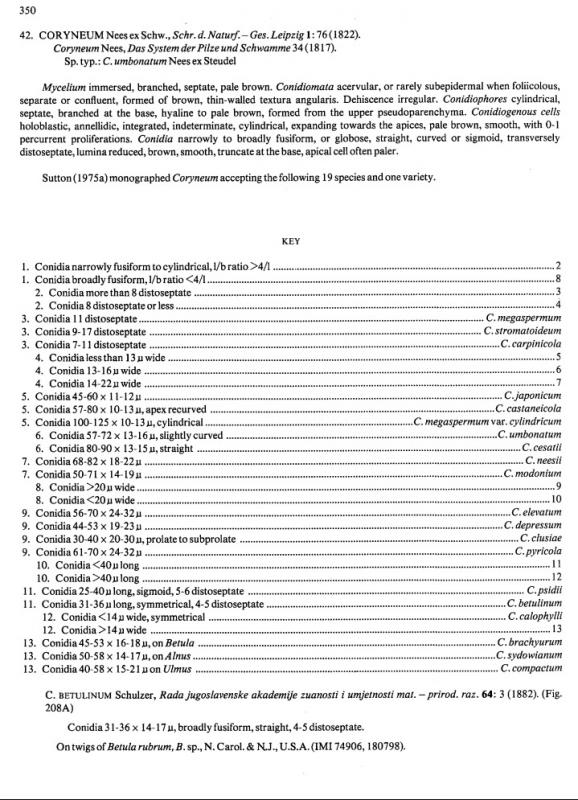
Hello Enrique - this may help - if you would like to see images of any particular species let me know
best wishes
Chris
best wishes
Chris
Jaklitsch Walter,
12-04-2013 23:49
Re : Calospora arausiaca?
Pseudovalsa longipes + Coryneum anamorph
Cheers, Walter
By the way, Enrique, you seem to mix up 2 things:
Pseudovalsa umbonata (Quercus!) is quite different from Prosthecium pyriforme (Acer!). P. umbonata has usually well-defined dark stromata, similar to P. lanciformis (Betula). P. longipes or e.g. P. modonia (Castanea) have weakly developed stromata. P. modonia has 1-septate spores but is still a Pseudovalsa. Important is the Coryneum anamorph. I did not believe it, but cultured from both ascospores and conidia. Sequences were identical !
P. longipes is variable, but has typically 3-5 septate ascospores. It seems to develop slowly and you find often immature asci. This species may co-occur with P. umbonata and often the Coryneum states (or teleomorph of one, anamorph of the other species) are mixed on the same twigs. Usually P. umbonata is more common than P. longipes, at least in Austria.
Cheers, Walter
By the way, Enrique, you seem to mix up 2 things:
Pseudovalsa umbonata (Quercus!) is quite different from Prosthecium pyriforme (Acer!). P. umbonata has usually well-defined dark stromata, similar to P. lanciformis (Betula). P. longipes or e.g. P. modonia (Castanea) have weakly developed stromata. P. modonia has 1-septate spores but is still a Pseudovalsa. Important is the Coryneum anamorph. I did not believe it, but cultured from both ascospores and conidia. Sequences were identical !
P. longipes is variable, but has typically 3-5 septate ascospores. It seems to develop slowly and you find often immature asci. This species may co-occur with P. umbonata and often the Coryneum states (or teleomorph of one, anamorph of the other species) are mixed on the same twigs. Usually P. umbonata is more common than P. longipes, at least in Austria.
Enrique Rubio,
14-04-2013 12:35
Re : Calospora arausiaca?
Thanks a lot to all!
So, Calospora arausiaca is a phantom species, only an inmature state of Pseudovalsa longipes?
Has somebody images of mature ascospores of Pseudovalsa longipes?
Thanks in advance
So, Calospora arausiaca is a phantom species, only an inmature state of Pseudovalsa longipes?
Has somebody images of mature ascospores of Pseudovalsa longipes?
Thanks in advance
Jaklitsch Walter,
14-04-2013 17:54
Re : Calospora arausiaca?
well, we simply do not know what Calospora arausiaca is. Fabre described it as Pseudovalsa with (1-)3 septate hyaline spores. It could be an immature stage of P. longipes (or P. umbonata??), but in both cases it is a later synonym. Neither Berlese illustrated it, nor did Wehmeyer receive type material, therefore it is likely that there is no type. We currently do not work on Pseudovalsa, i.e. we did not try to trace it.
Best wishes, Walter
Best wishes, Walter
Enrique Rubio,
14-04-2013 18:01
Re : Calospora arausiaca?
Thanks, Walter!
chinthani senanayake,
30-09-2014 13:10
Re : Calospora arausiaca?
Hello Sir,
Do you have the pure culture of Calospora arausiaca. I have collected a fungi looks same with this. if you have the culture, I can study further to resolve this.
thanks lot
chinthani
Do you have the pure culture of Calospora arausiaca. I have collected a fungi looks same with this. if you have the culture, I can study further to resolve this.
thanks lot
chinthani
Enrique Rubio,
30-09-2014 13:16
Re : Calospora arausiaca?
HI chinthani
I'm sorry but I didn't preserve, nor cultured, this fungus
Regards
chinthani senanayake,
30-09-2014 15:25
Re : Calospora arausiaca?
Thanks lot Sir,
Did you deposit the specimen somewhere and is it posible to loan and examine.
regards
chinthani
Did you deposit the specimen somewhere and is it posible to loan and examine.
regards
chinthani
Enrique Rubio,
30-09-2014 17:36
Re : Calospora arausiaca?
No. Sorry. I didn't keep this material