15-04-2026 19:33
Fátima Durán Manzaneque¡Hola! Necesito ayuda, encontré este ascomiceto
14-04-2026 05:32
Ethan CrensonHi all, A few weeks back a friend pointed out som
14-04-2026 21:52
Gernot FriebesHi,found on dead leaves of Carex elata. Conidia: 4
14-04-2026 20:31
Gernot FriebesHi,can this be Psilachnum lateritioalbum on Phragm
12-04-2026 17:56
 Hardware Tony
Found on dead stems in February earlier this year
12-04-2026 15:52
Gernot FriebesHi,I'm looking for help with this anamorph collect
12-04-2026 12:22
 William Slosse
In a dune grassland in Oostduinkerke (Belgium), on
11-04-2026 15:45
 Zuzana Sochorová (Egertová)
Please, could anyone send me this paper?Moyne G.,
11-04-2026 13:34
Artem PtukhaHello, I am seeking assistance with the identific

Lasiobolus Macrotrichus
Joop van der Lee,
30-03-2013 19:28
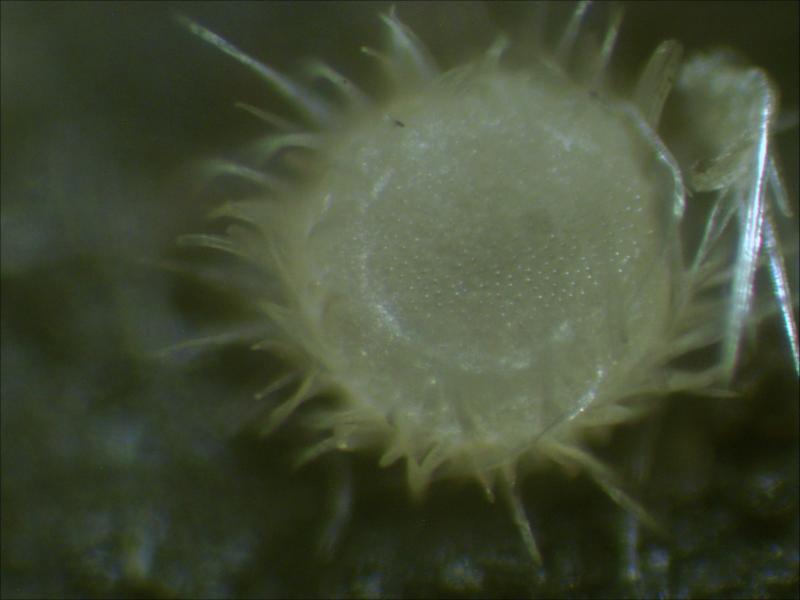
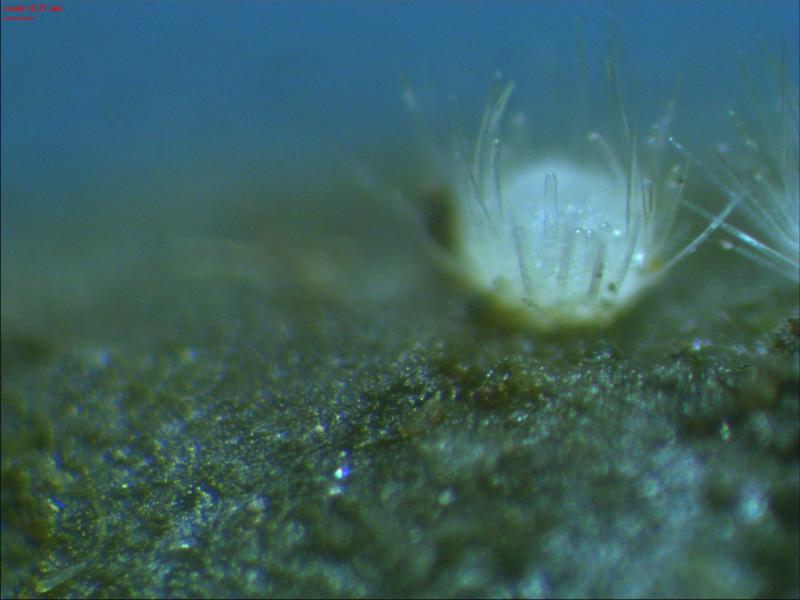
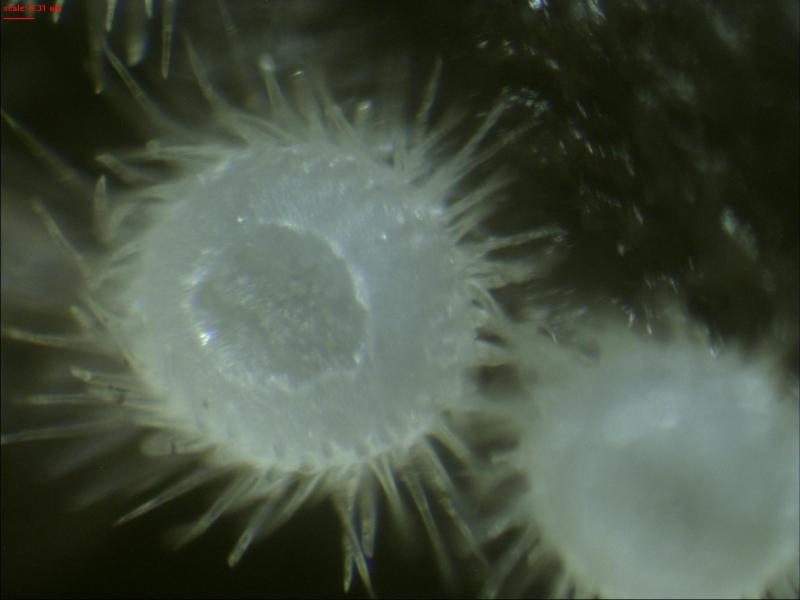
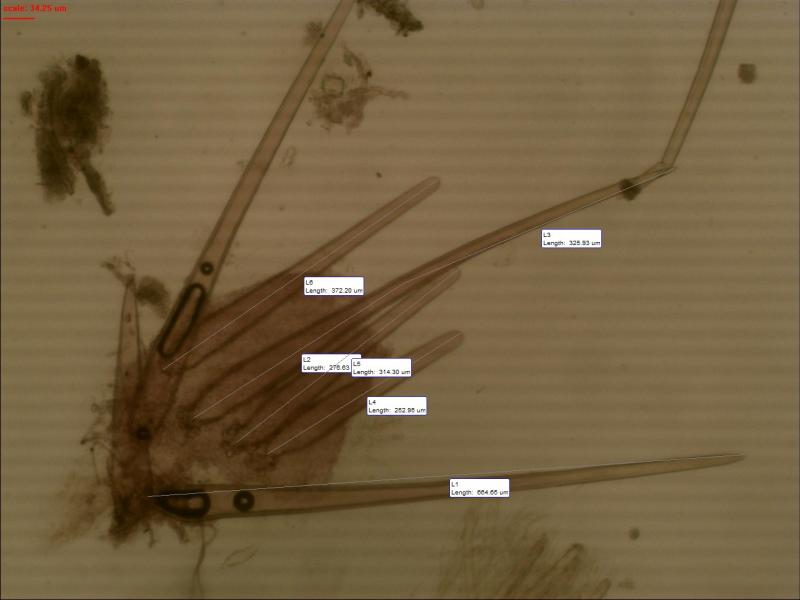
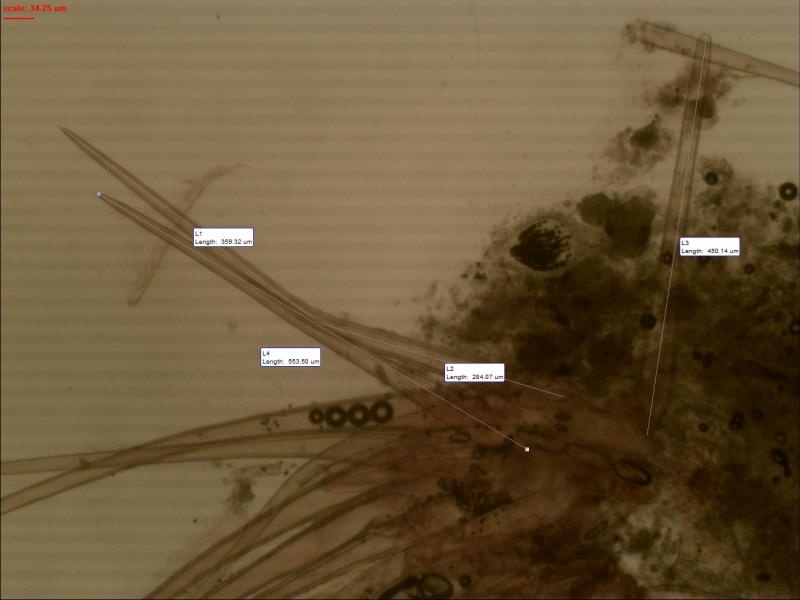
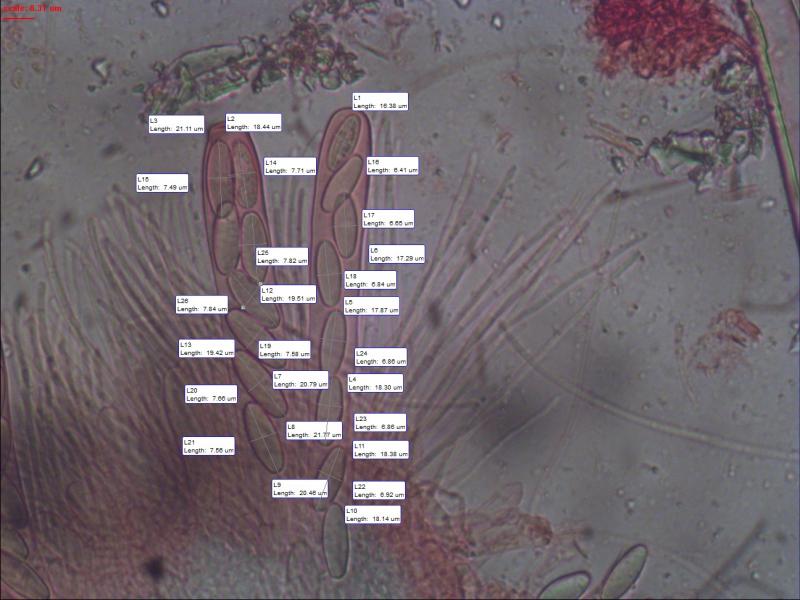
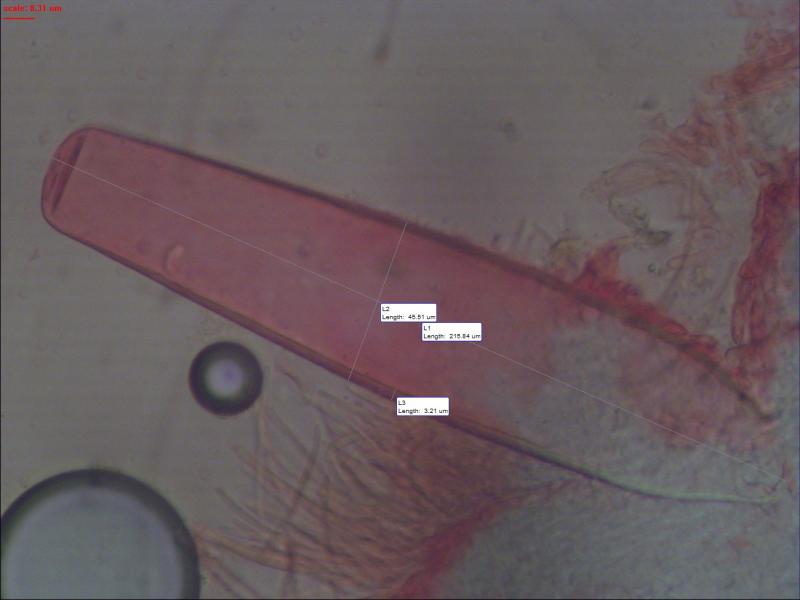
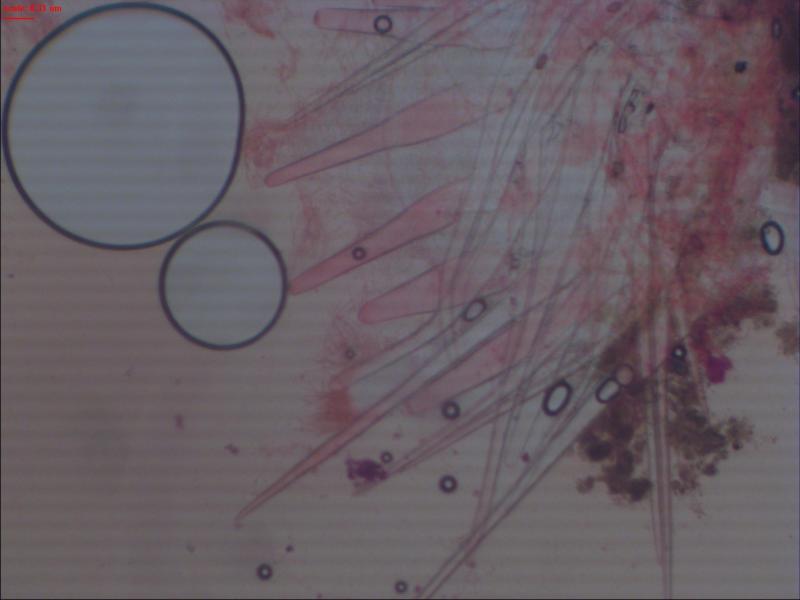
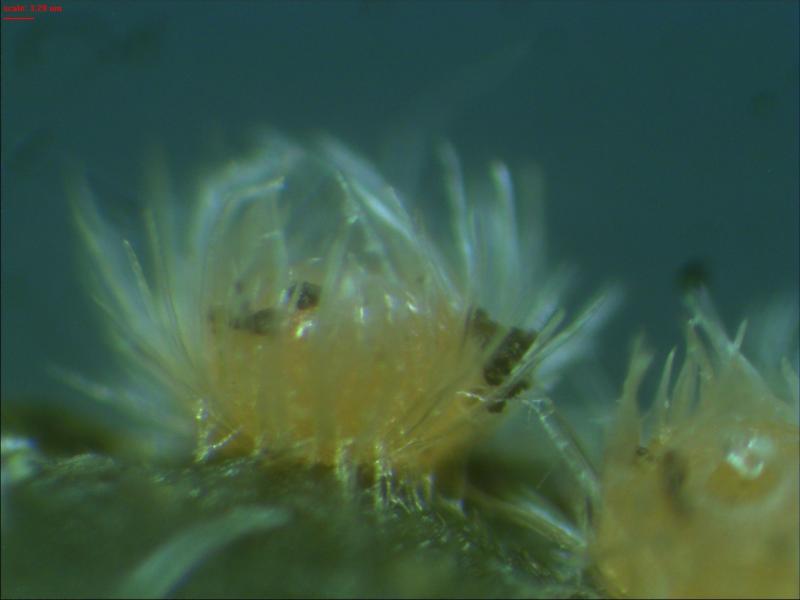
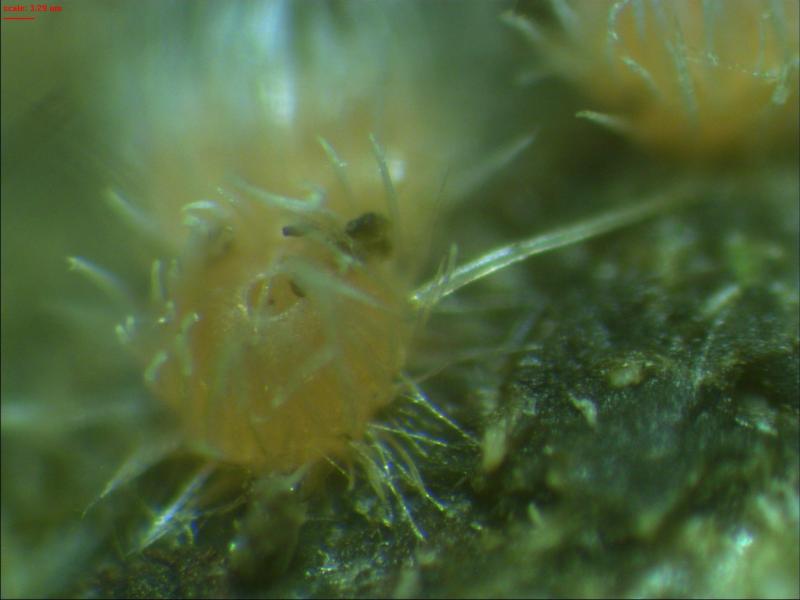
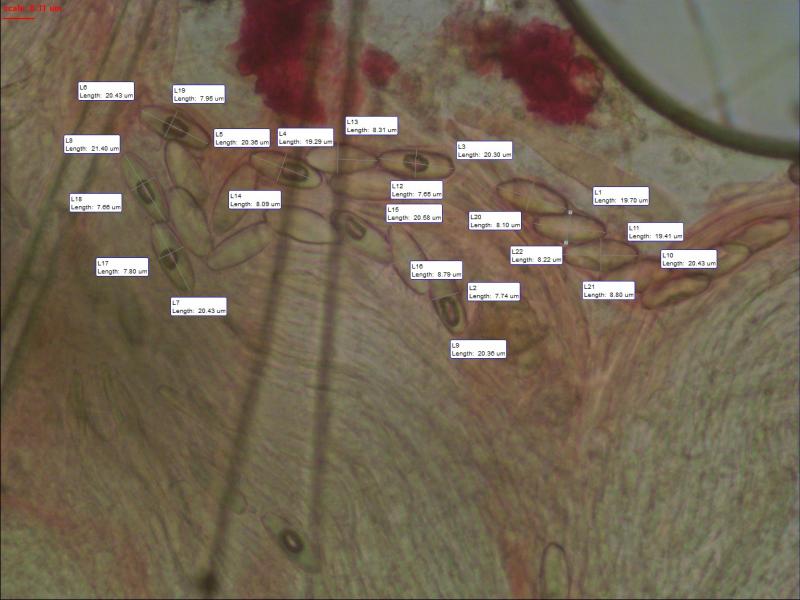
 Besides the light orange species I also found these transparent ones on deer dung.
Hairs do exceed a length of 600 um and they have pointed and rounded tops.
They also have broad "cells" which are not mentioned in the documentation.
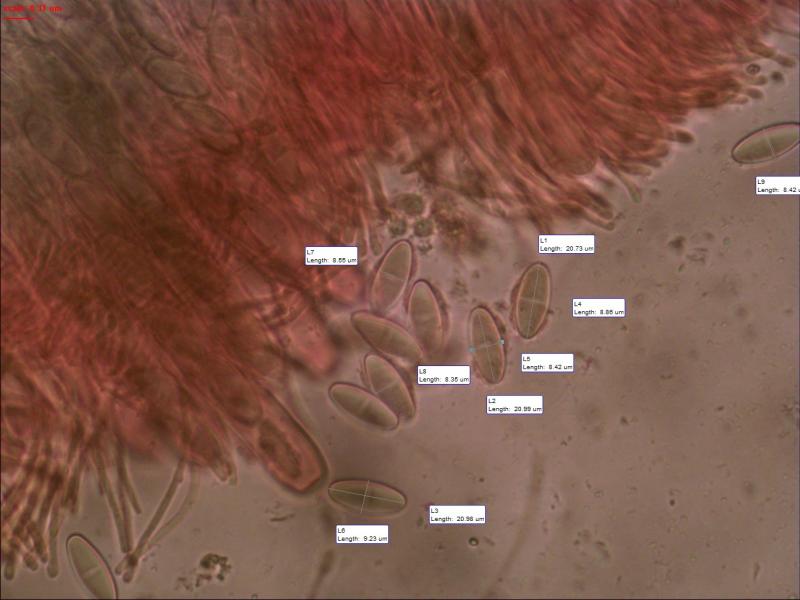
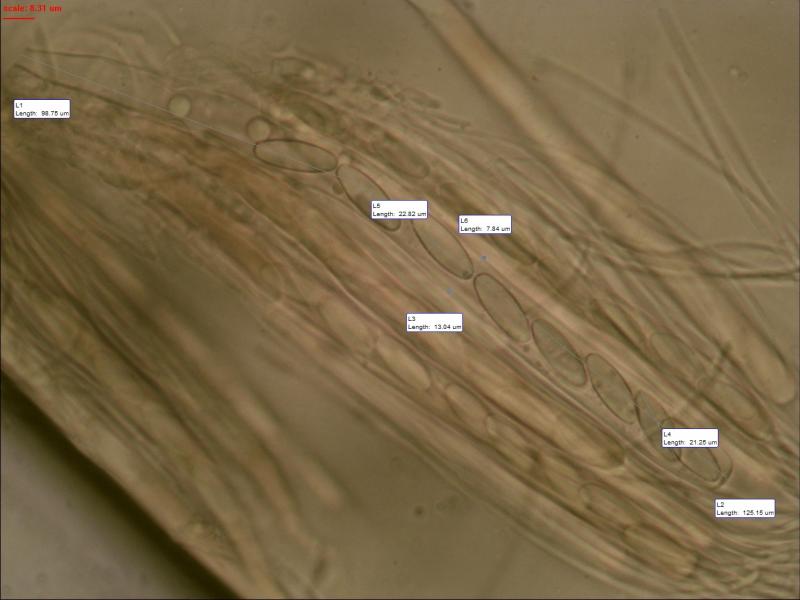
The light orange species have hyaline spores with occasionally a "de Bary bubble" the transparent ones only have hyaline spores without the bubbles.
René Dougoud,
31-03-2013 09:28
Re : Still Lasiobolus Macrotrichus
Cher Collègue,
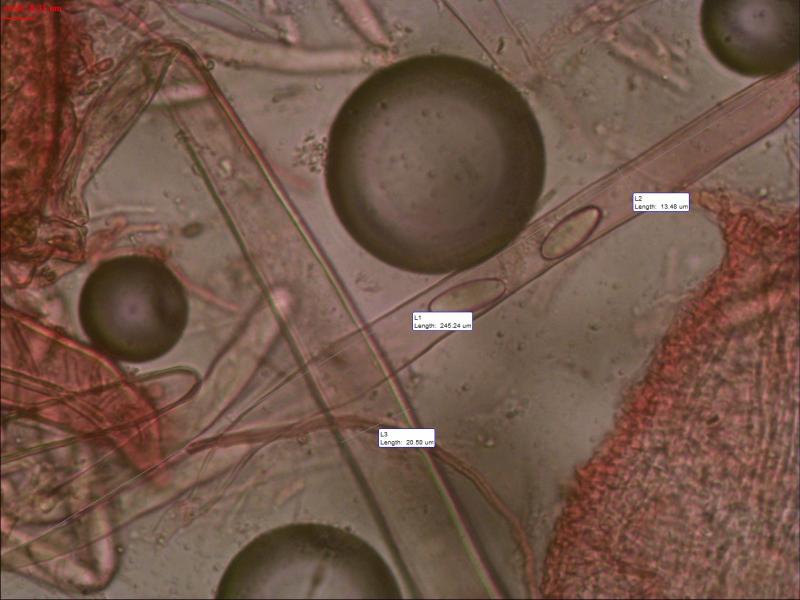
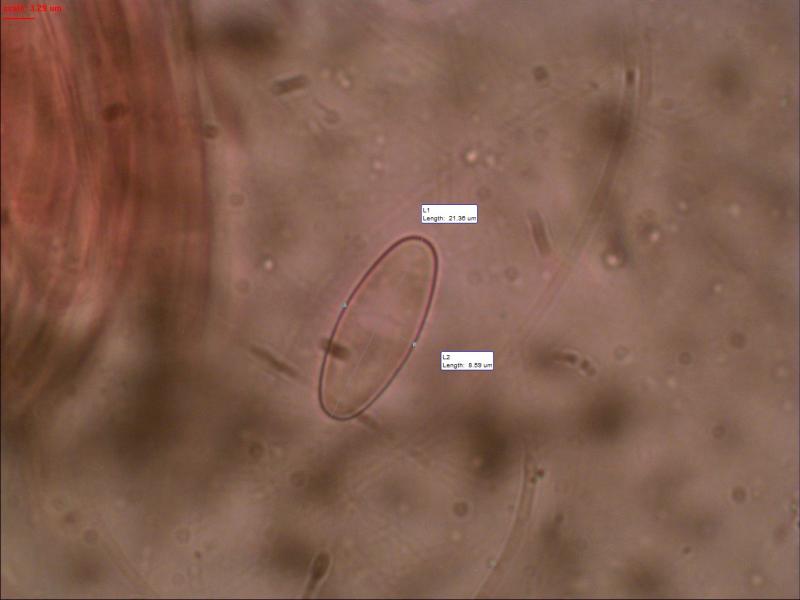
Je confirme la détermination, mais attention, vous déterminez cette espèce à partir d'exemplaires immatures ou pas assez mature. Il ne faut jamais mesurer des ascosproes dans les asques, vous ne pouvez savoir si leur taille est maximale. D'ailleurs les ascopores que vous avec mesurés sont dans la fourchette inférieure pour l'espèce, Voici celles que j'ai mesuré à partir de mes récoltes, 21,9-25,3 x 8,8-10,1 ?m ; X= 23,6 x 9,5 ?m ; Q= 2,5 (n 50 dans rouge congo SDS),?
Cette espèce ne se distingue pas par la longueur des poils, mais par la forme typique des ascospores, pour ce genre.
Cordialement
René
Je confirme la détermination, mais attention, vous déterminez cette espèce à partir d'exemplaires immatures ou pas assez mature. Il ne faut jamais mesurer des ascosproes dans les asques, vous ne pouvez savoir si leur taille est maximale. D'ailleurs les ascopores que vous avec mesurés sont dans la fourchette inférieure pour l'espèce, Voici celles que j'ai mesuré à partir de mes récoltes, 21,9-25,3 x 8,8-10,1 ?m ; X= 23,6 x 9,5 ?m ; Q= 2,5 (n 50 dans rouge congo SDS),?
Cette espèce ne se distingue pas par la longueur des poils, mais par la forme typique des ascospores, pour ce genre.
Cordialement
René
Joop van der Lee,
31-03-2013 10:37
Re : Still Lasiobolus Macrotrichus
Merci René pour votre explication.
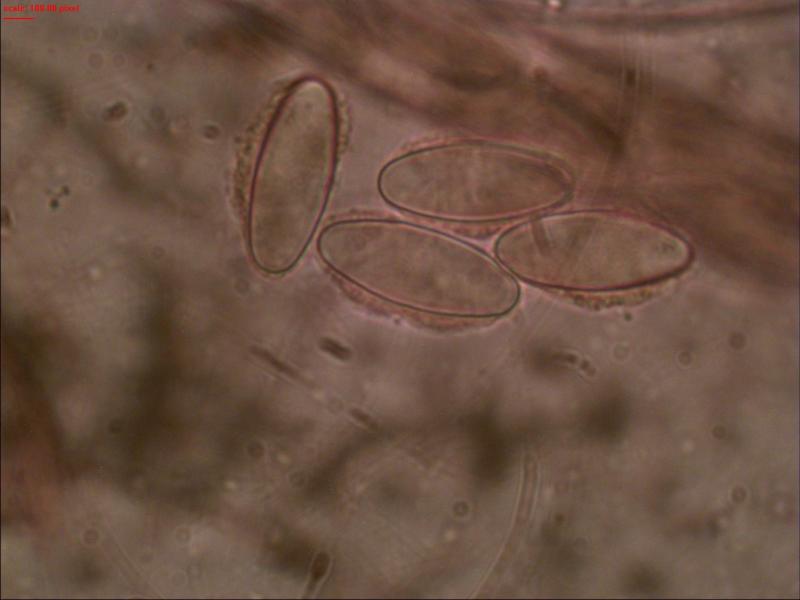
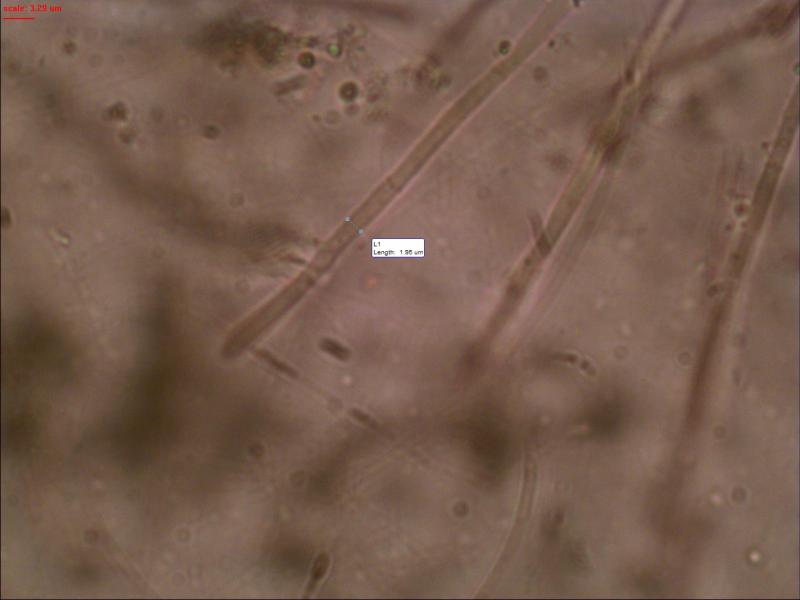
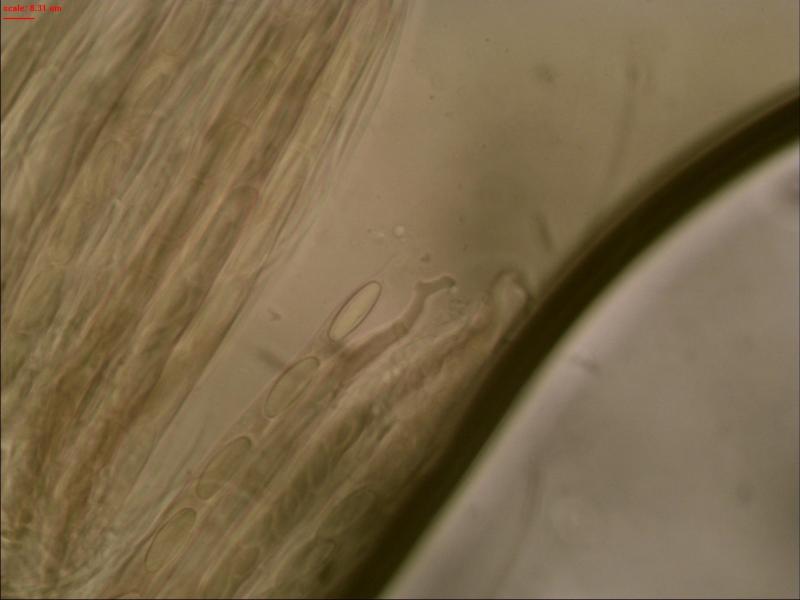
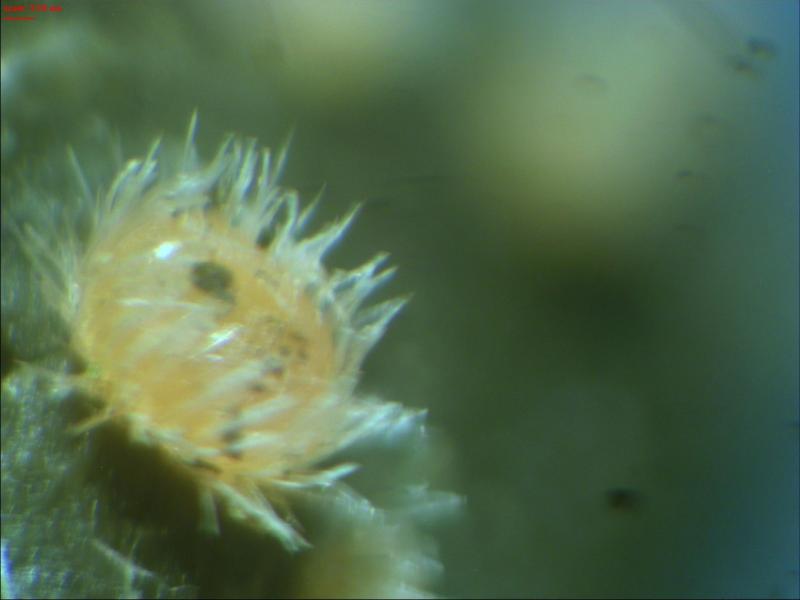
I have found a more mature one with a view inside the cup where you can see the tops of the asci. All spores do probably have a "de Bary bubble" in the centre but that is hard to see in Congo Red. Spores do also have a thick wall and there is a substance that surrounds the spores. Paraphyses are septated and measure 1.95 um wide.
Joop
I have found a more mature one with a view inside the cup where you can see the tops of the asci. All spores do probably have a "de Bary bubble" in the centre but that is hard to see in Congo Red. Spores do also have a thick wall and there is a substance that surrounds the spores. Paraphyses are septated and measure 1.95 um wide.
Joop