10-06-2026 21:16
 François Freléchoux
Bonsoir,Le dernier du jour, en attendant votre avi
11-06-2026 19:01
 William Slosse
Hello all,In an attempt to make a culture of a sus
11-06-2026 19:03
 Nicolas VAN VOOREN
Chers membres d'Ascofrance,Le site sera placé en

09-06-2026 18:32
Camille MertensSur morceau de roseau immergé 0,5 - 0,7 mm de dia
10-06-2026 12:54
Steve ClementsBonjour encore, Pouvez-vous m'aider, s'il vous pl
10-06-2026 21:07
François Freléchoux
Toutes les tiges de gentianes jaunes de l'an passÃ
10-06-2026 13:41
François Freléchoux
Bonjour à nouveau, Voici une trouvaille d'hier.
10-06-2026 11:53
Steve ClementsBonjour, This disco is abundant on dead stems of
chaetomium
hannie wijers,
11-08-2012 14:59
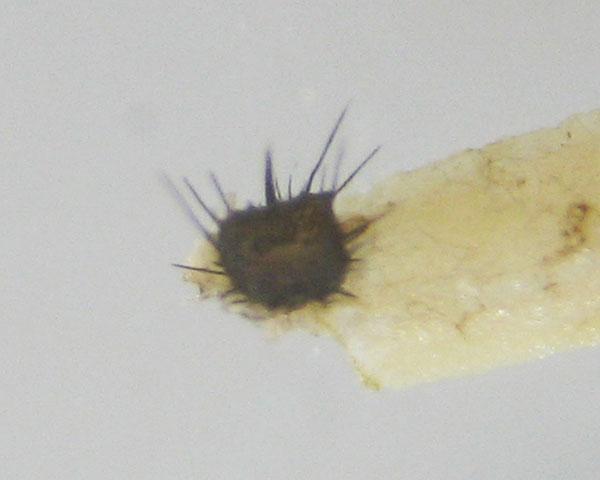
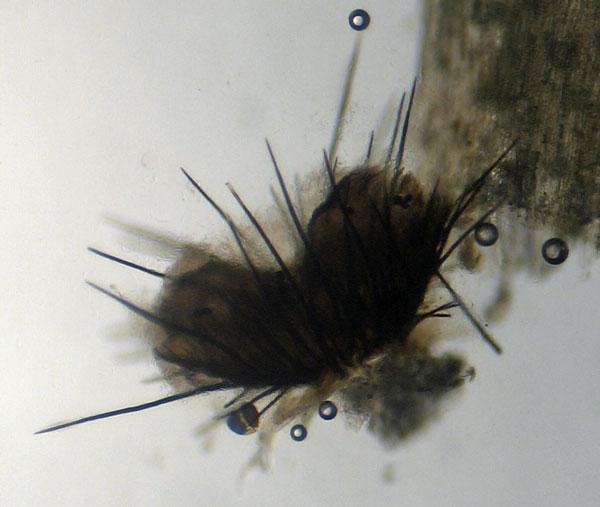
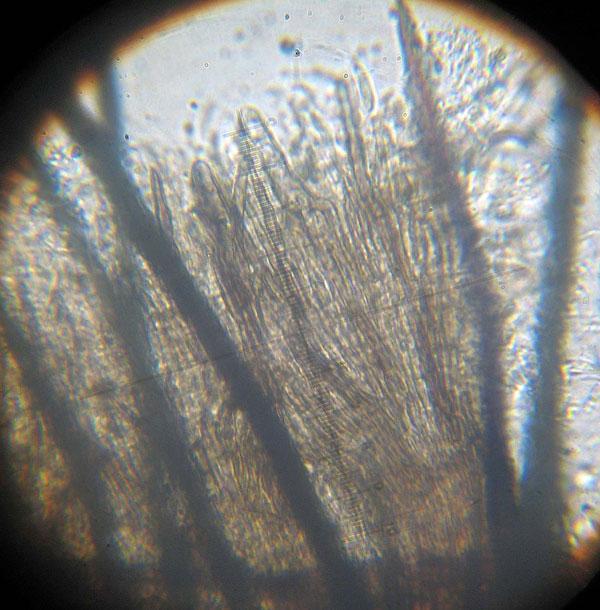
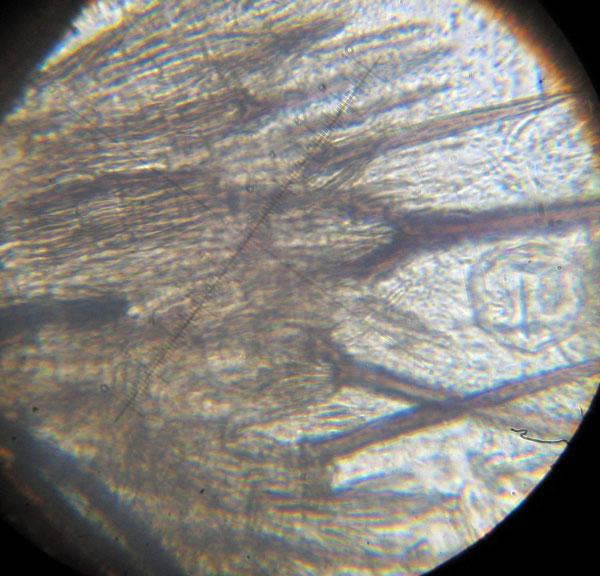
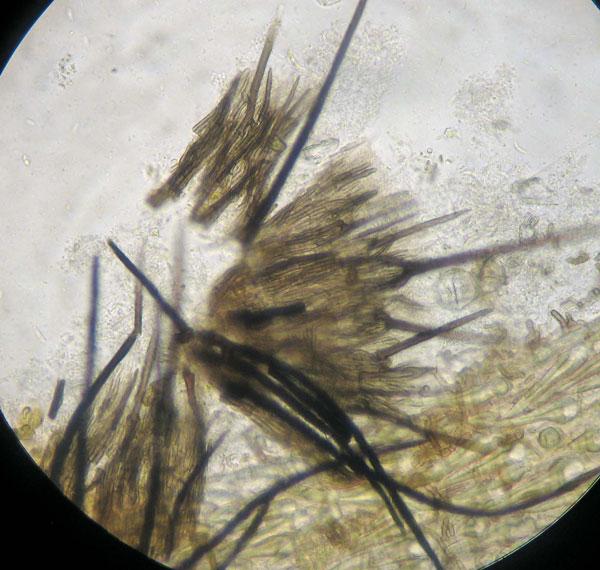
Yan Yinh,
11-08-2012 16:51
Dinemasporium on dung
Dear Hannie Wijers,
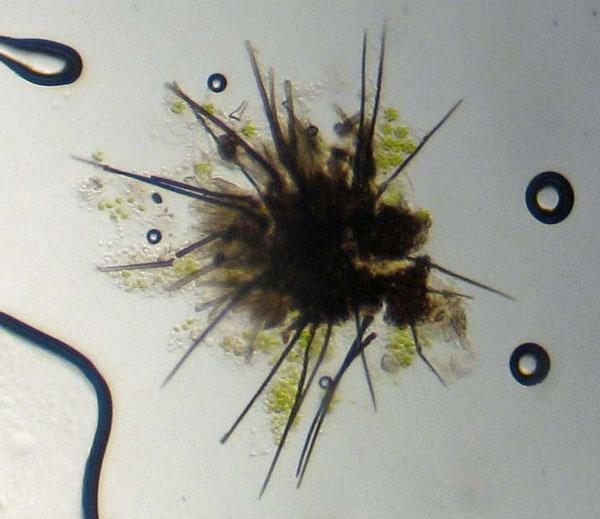
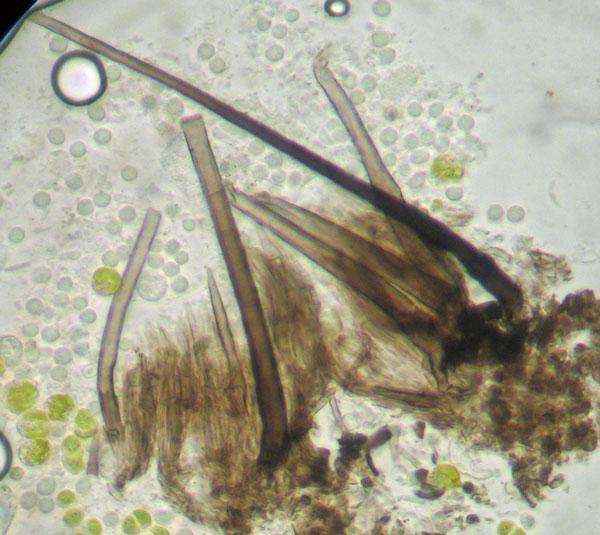
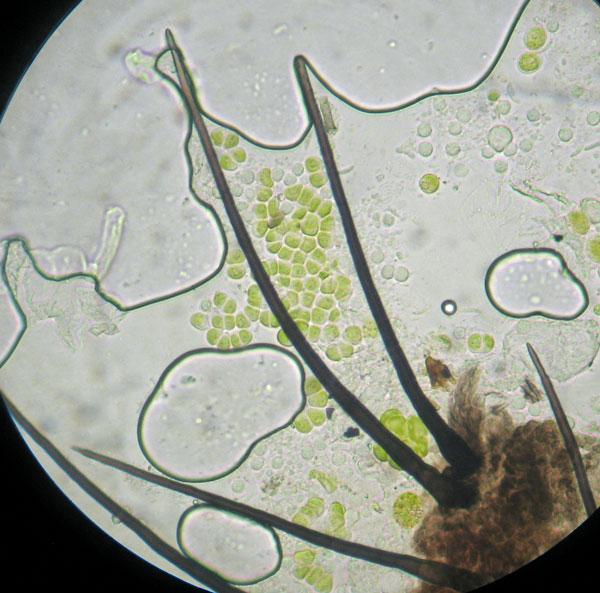
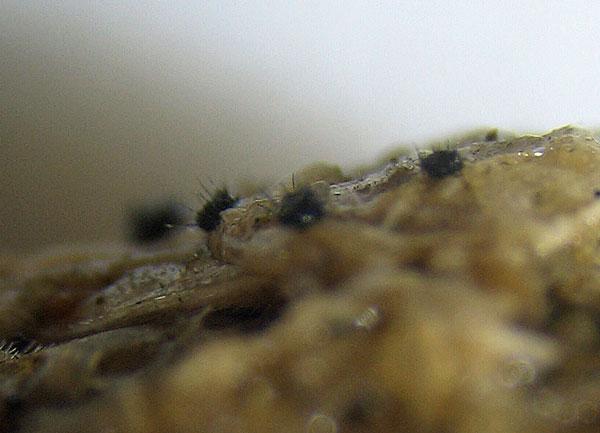
this is not a species of the genus Chaetomium.
The limited information are more likely to the genus Dinemasporium, maybe Dinemasporium fimeti Plowr. & W. Phillips 1876.
Dinemasporium is the anamorphic stage of the genus Phomatospora. Phomatospora coprophila Richardson 1972 is coprophilous and probably the best known species of dung.
I do not know whether the two taxa are genetically connected. Likewise gramincole species are possible.
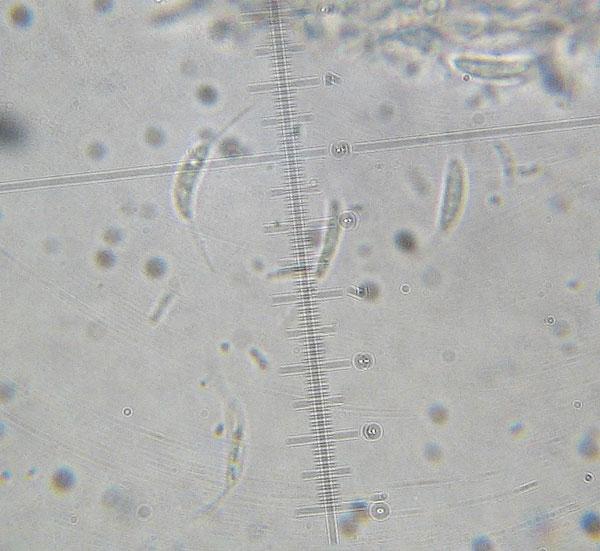
The size and number of septa of the conidia should add here yet.
Yan
The genus Phomatospora and its anamorph stages are not yet sufficiently investigated and verified genetically. Standard literature, for example, Sutton and Ellis & Ellis give only a rough outline, but no further help. In addition, we need new studies to see whether the species Pseudolachnea has a permission. Collections on manure, such as those of you who are often found. I know a lot of samples on the dung of rabbits and hares. If you want to work seriously and accept the above reasons, would be the correct name of your collection: "Dinemasporium-like".
this is not a species of the genus Chaetomium.
The limited information are more likely to the genus Dinemasporium, maybe Dinemasporium fimeti Plowr. & W. Phillips 1876.
Dinemasporium is the anamorphic stage of the genus Phomatospora. Phomatospora coprophila Richardson 1972 is coprophilous and probably the best known species of dung.
I do not know whether the two taxa are genetically connected. Likewise gramincole species are possible.
The size and number of septa of the conidia should add here yet.
Yan
The genus Phomatospora and its anamorph stages are not yet sufficiently investigated and verified genetically. Standard literature, for example, Sutton and Ellis & Ellis give only a rough outline, but no further help. In addition, we need new studies to see whether the species Pseudolachnea has a permission. Collections on manure, such as those of you who are often found. I know a lot of samples on the dung of rabbits and hares. If you want to work seriously and accept the above reasons, would be the correct name of your collection: "Dinemasporium-like".
Norbert Heine,
11-08-2012 16:53

Re : chaetomium
Hi Hannie,
this is no Chaetomium, but maybe Pseudolachnea hispidula.
Norbert
this is no Chaetomium, but maybe Pseudolachnea hispidula.
Norbert
hannie wijers,
11-08-2012 17:39
Re : chaetomium
Wow, what a quick answer this is. I didnt' measure the length of the conidis. I'll look one of these days if there is new material in the dung. I'll look for thes suggestions bothe of you said. Does any of you know if thers is some lecture about these genus?
Yan and Norbert thanks a lot.
Hannie
Yan and Norbert thanks a lot.
Hannie
hannie wijers,
11-08-2012 20:35
Re : chaetomium
Thank you. I took a quick look at this moment, tomorrow I want to look further on the web.
Hannie
Hannie
hannie wijers,
12-08-2012 19:18
Re : chaetomium
I could find one asco on the dung, the last on. I took some pictures. Ik hope I took the right ones. I think the The size of the conidia is 9,9-13,2*2,4-3,3 µm and number of septa is 1.