20-05-2026 20:08
 Andreas Millinger
Good evening,another quite distinctive find from M
20-05-2026 17:47
Margot en Geert VullingsWe found this Mollisia on dead Juncus stems mown l
20-05-2026 12:57
 Ingo Ibelshäuser
Hello everybody, on decayed hardwood e.g. Quercus
22-04-2026 20:54
 Enrique Rubio
Hi to everybody.This Pyrenopeziza grew in moist le

19-05-2026 12:55
 Hardware Tony
After checking Gminder and Otto's library I cannot
19-05-2026 10:27
Patrice TANCHAUDBonjour, récolte récente sur terre retournée i
18-05-2026 12:43
Sylvie Le GoffBonjour à tousPuis je avoir votre aide sur ce que
cudoniella
Ismael Wind,
18-06-2012 00:25
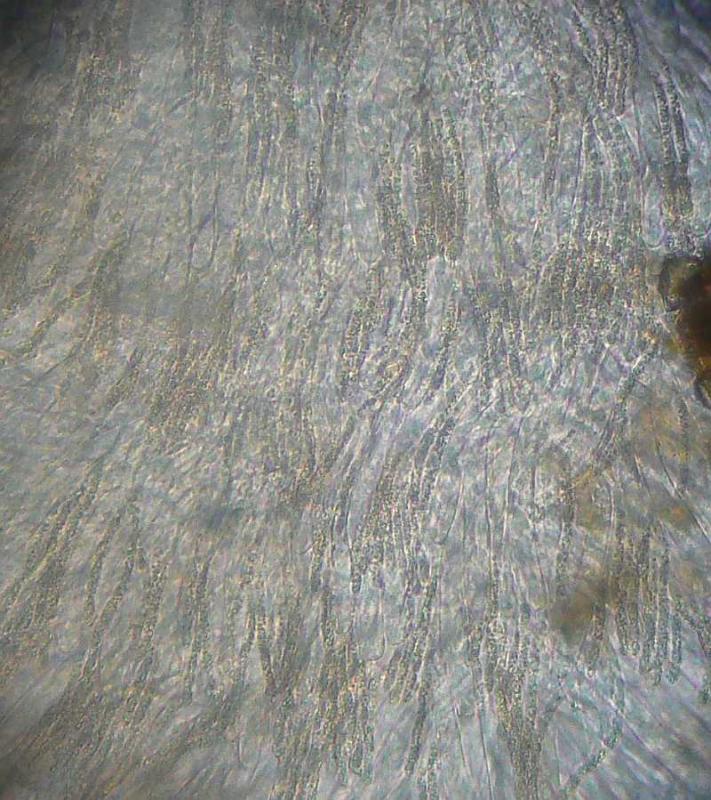
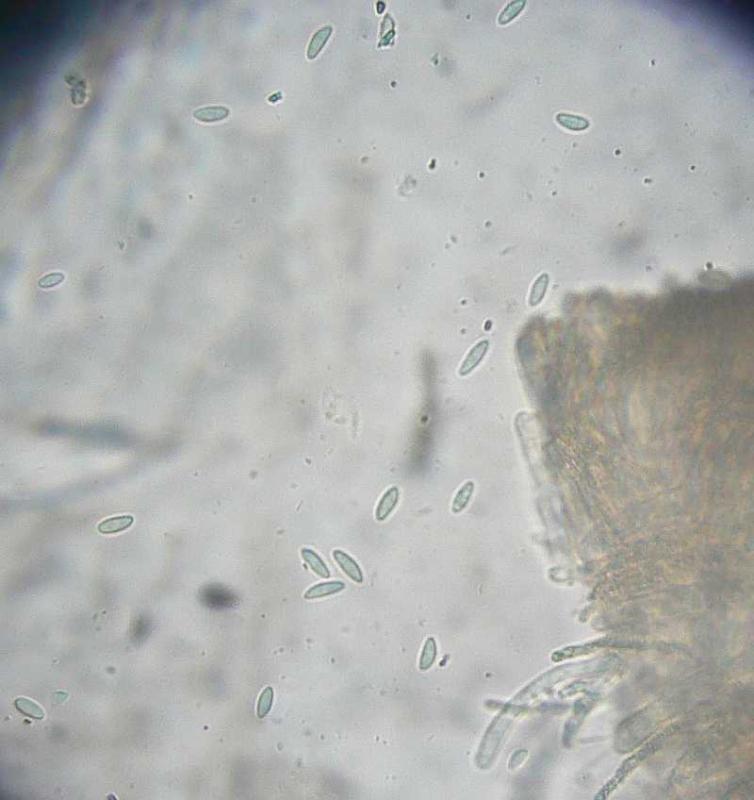
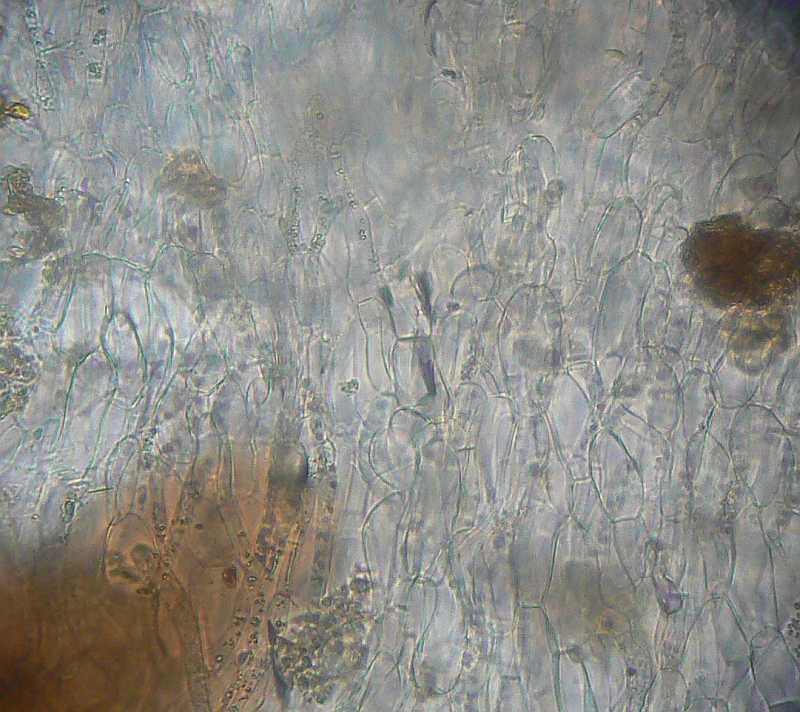
Hans-Otto Baral,
18-06-2012 10:35

Re : cudoniella
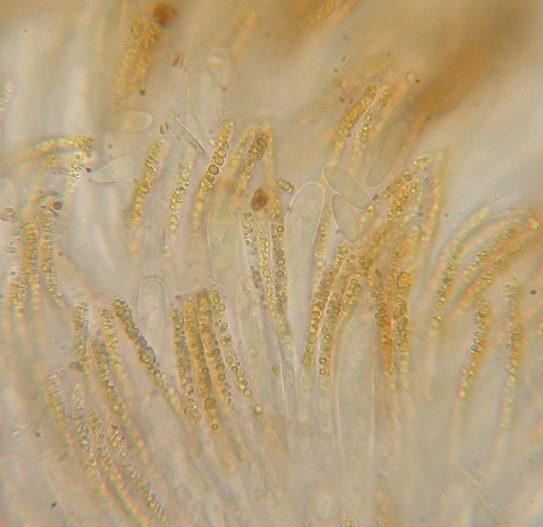
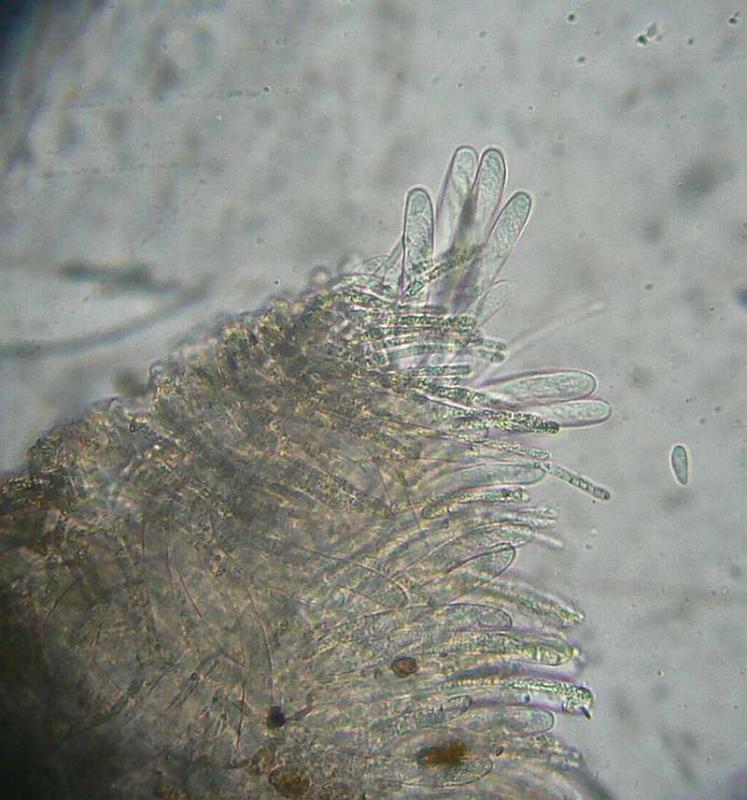
The pretty guttulation of the living paraphyses clearly excludes a Discinella, also it excludes Roseodiscus formosus, which looks quite similar.
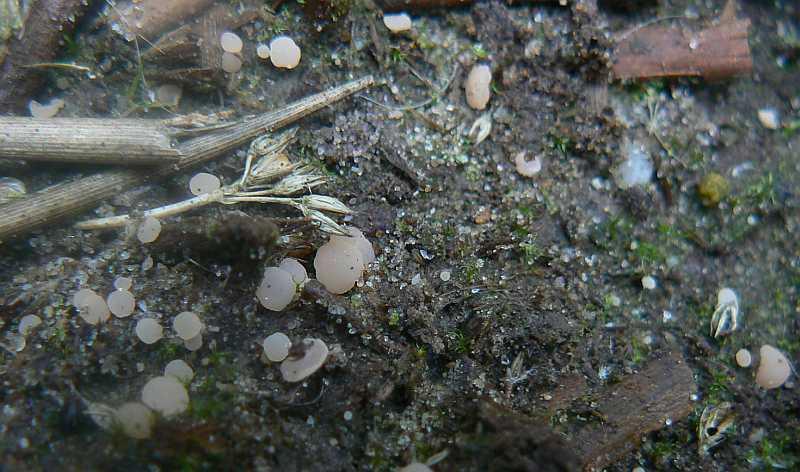
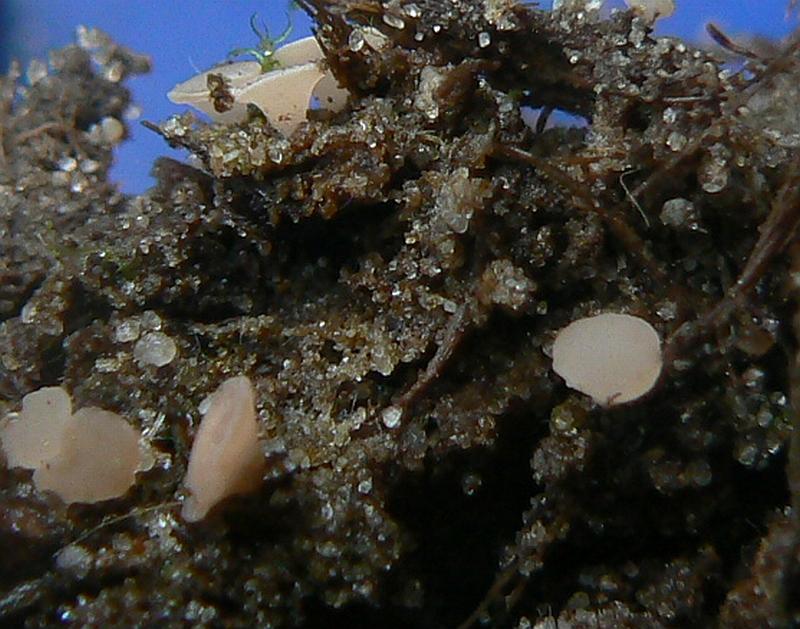
Possibly your fungus is C. tenuispora (C. clavus var. grandis). This depends on the thickness and length of the stipe of the apothecium. Have you a side view of an apo?
The apos are non-gelatinous, right?
Zotto
Possibly your fungus is C. tenuispora (C. clavus var. grandis). This depends on the thickness and length of the stipe of the apothecium. Have you a side view of an apo?
The apos are non-gelatinous, right?
Zotto
Ismael Wind,
18-06-2012 12:57
Re : cudoniella
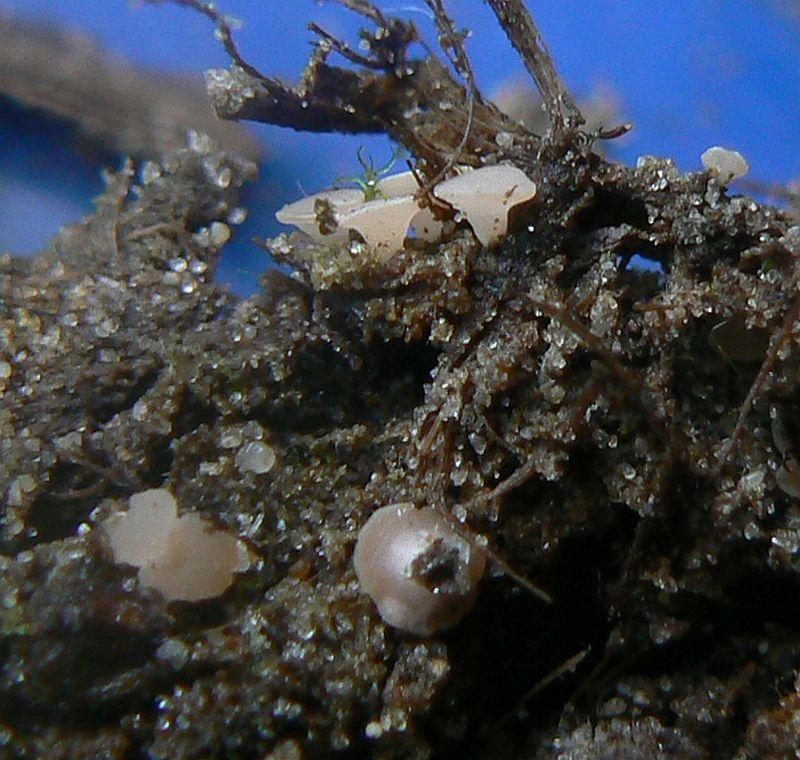
the stipe is short and goes from thick to thin. It is gelatinous yes. At least i asume you mean by gelatinous you can easily press it under the glass? Not like for instance dacrymes?
Raúl Tena Lahoz,
18-06-2012 13:08

Re : cudoniella
Maybe linked to mosses? Bryoscyphus?
Raúl
Raúl
Hans-Otto Baral,
18-06-2012 13:11
Re : cudoniella
Well, this does not really look typical for C. tenuispora, which is also a white fungus, but I am neither happy with C. clavus. Gelatinous means in fact a consistency similar as in Dacrymyces. The medulla would be gelatinous if we had an Omrbrophila, for instance. But in Ombrophila there are never these droplets in the paraphyses.
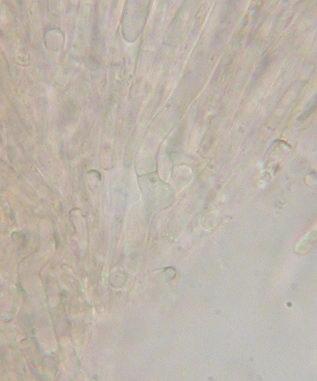
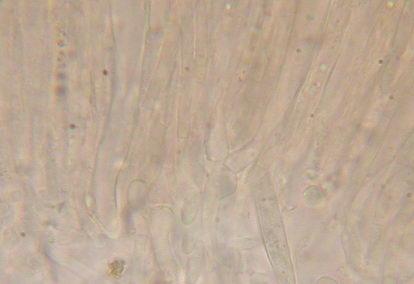
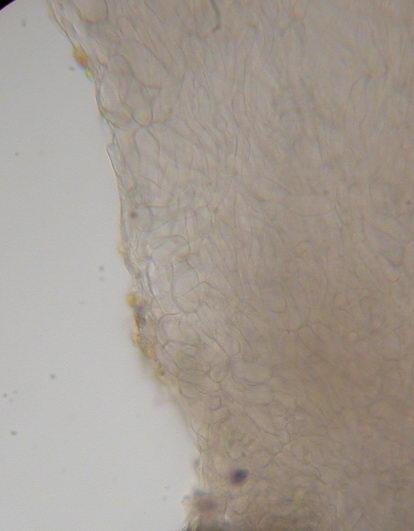
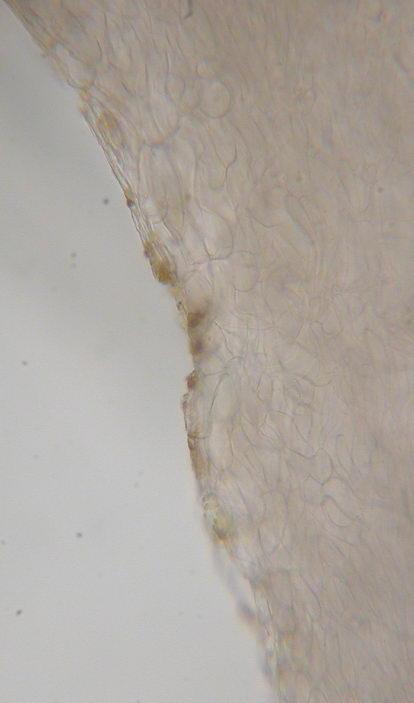
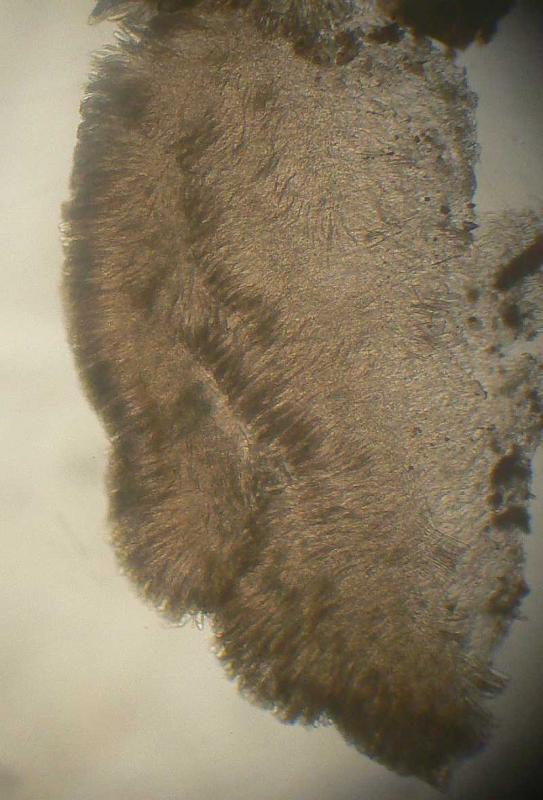
What might help: a section showing the ectal excipulum (the prismatic cells on your photo fit already clavus but not tenuispora). And a look for the croziers (present inclavus) and iodine reaction of the ascus apex (variable). Absence of crystals would also support clavus.
But clavus has generally a convex hymenium which is not shown here. This leaves some doubts.
Yes, Raul, Bryoscyphus is a very good alternative!
Zotto
What might help: a section showing the ectal excipulum (the prismatic cells on your photo fit already clavus but not tenuispora). And a look for the croziers (present inclavus) and iodine reaction of the ascus apex (variable). Absence of crystals would also support clavus.
But clavus has generally a convex hymenium which is not shown here. This leaves some doubts.
Yes, Raul, Bryoscyphus is a very good alternative!
Zotto
Ismael Wind,
18-06-2012 13:35
Re : cudoniella
I see, well difficult! I dont have iodine. I will send it to Stip. Doesnt bryoscyphus have droplets in the spores? I didnt really see those. I do know B atromarginatus wich i find consistantly in flowerpots with marchantia
http://waarneming.nl/soort/photos/27990?from=2010-05-28&to=2010-05-28?
http://waarneming.nl/soort/photos/27990?from=2010-05-28&to=2010-05-28?
Hans-Otto Baral,
18-06-2012 16:11
Re : cudoniella
Yes, that is a good idea. I confirm: all true Bryoscyphus that I know have at least a medium high oil content (3). And misplaced species have a Calycina- type of apical ring. But I do not think so in your case.
Zotto
Zotto
Raúl Tena Lahoz,
18-06-2012 16:33
Re : cudoniella
And something next to Hymenoscyphus ravus?
Raúl
Raúl
Hans-Otto Baral,
18-06-2012 18:13
Re : cudoniella
Yes, but these are rather small apothecia and spores below 10 µm length.
How large are the apothecia?
Zotto
How large are the apothecia?
Zotto
Ismael Wind,
18-06-2012 19:00
Re : cudoniella
the size is about 1-2 mm The specimens are getting redder/browner by the way
Hans-Otto Baral,
18-06-2012 22:19
Re : cudoniella
Yes, this turn to reddish is due to the droplets in the paraphyses (oxidation), so I can imagine that the fresh fungus was white
Zotto
Zotto
Stip Helleman,
20-06-2012 00:57

Re : cudoniella
Thanx Ismaël,
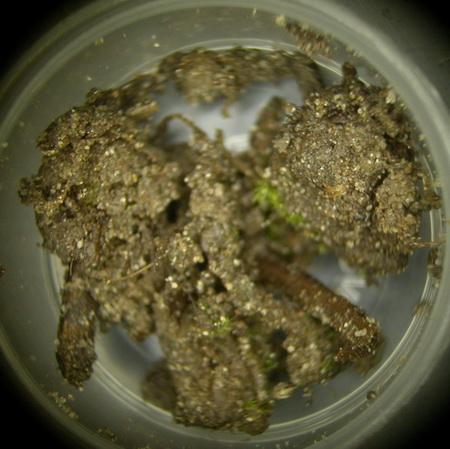
is it a truffle? ;-)
Stip
is it a truffle? ;-)
Stip
Ismael Wind,
20-06-2012 09:21
Re : cudoniella
ono! well back in the field again. not one survived? to much sand i suppose..
Stip Helleman,
20-06-2012 11:28
Re : cudoniella
They survived, a bit burried under soil. too much air is more likely. they shake rattle and roll in the mail
I did research one fruitbody last night asci are IKI -, croziers not found. tonight after work I will test KOH pretreatment.
No connection with mosse was found Frb's are growing on some grass-like debris.
Stip
I did research one fruitbody last night asci are IKI -, croziers not found. tonight after work I will test KOH pretreatment.
No connection with mosse was found Frb's are growing on some grass-like debris.
Stip
Stip Helleman,
25-06-2012 19:07
Re : cudoniella
Hi,
the asci remain IKI- after KOH pretreatment and croziers can not be found, so its position remains doubtfull. In most respects it can be seen as C. clavus, only no croziers. a Similar looking secies is H. vernus without croziers but there the spores are somwat more elongate / less ovoid and with 2 small but distinct oil guttules and a IKI blue apical ring.
So there rest only a few pictures to show and perhaps there are som fresh ideas
Cheers,
Stip
the asci remain IKI- after KOH pretreatment and croziers can not be found, so its position remains doubtfull. In most respects it can be seen as C. clavus, only no croziers. a Similar looking secies is H. vernus without croziers but there the spores are somwat more elongate / less ovoid and with 2 small but distinct oil guttules and a IKI blue apical ring.
So there rest only a few pictures to show and perhaps there are som fresh ideas
Cheers,
Stip