

22-04-2026 20:54
 Enrique Rubio
Hi to everybody.This Pyrenopeziza grew in moist le
24-04-2026 03:16
 David Chapados
Found while looking at something else from wood in
22-04-2026 01:06
 Richard VALERI
Bonjour à tous.Je vous présente cette Nectria s.
22-04-2026 20:17
 Marian Jagers
Is anyone familiar with the Hyphomycetes genus Pse

Ciboria coryli?
Yatsiuk Iryna,
20-07-2011 14:43

Hello, Forum!
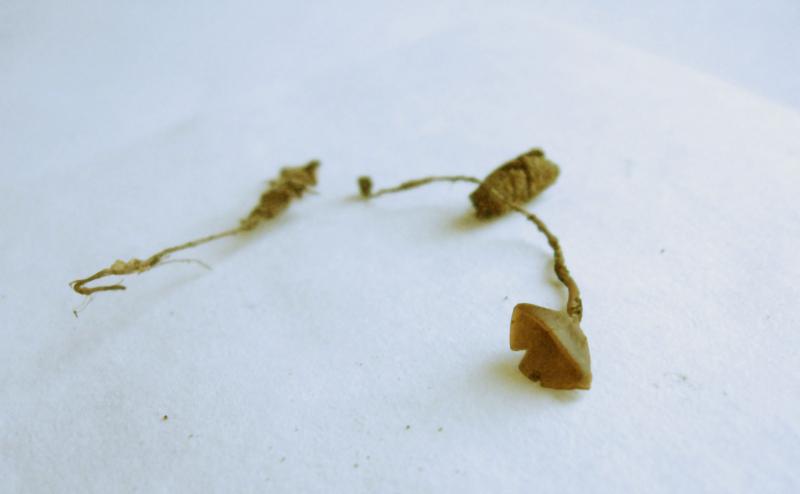
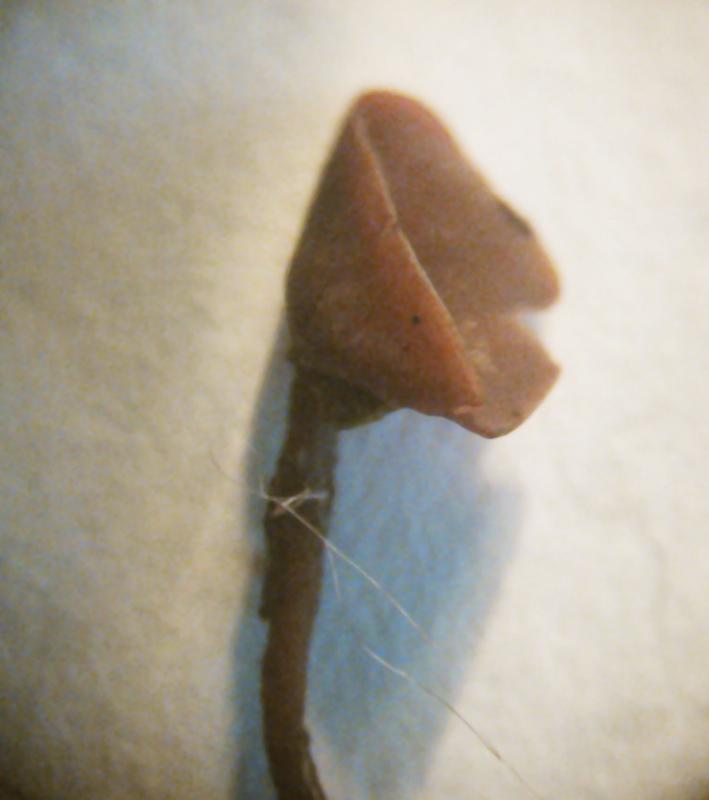
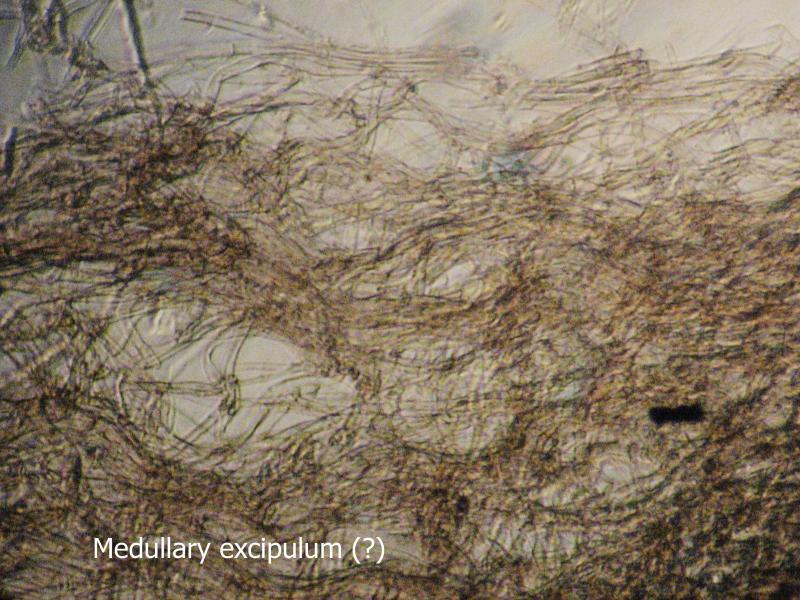
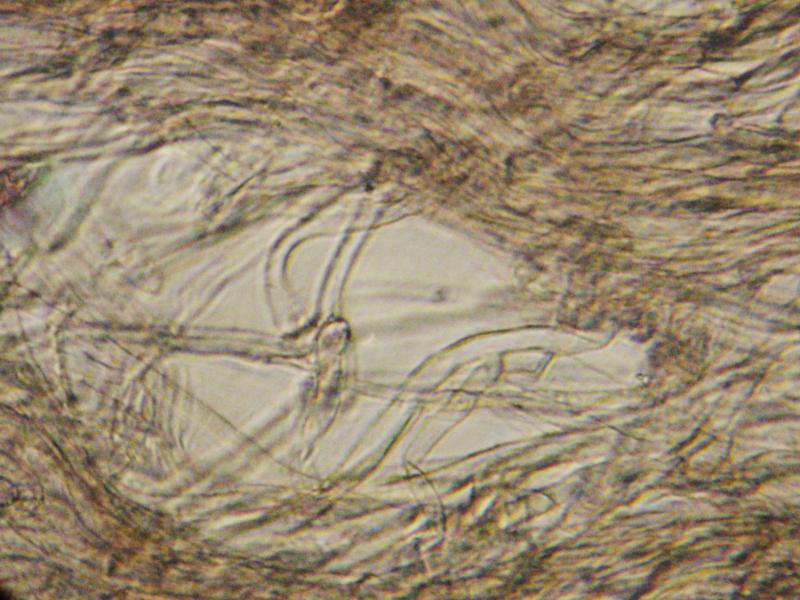
It was collected in 22 March? 2011, on catkins of Corylus avellana.
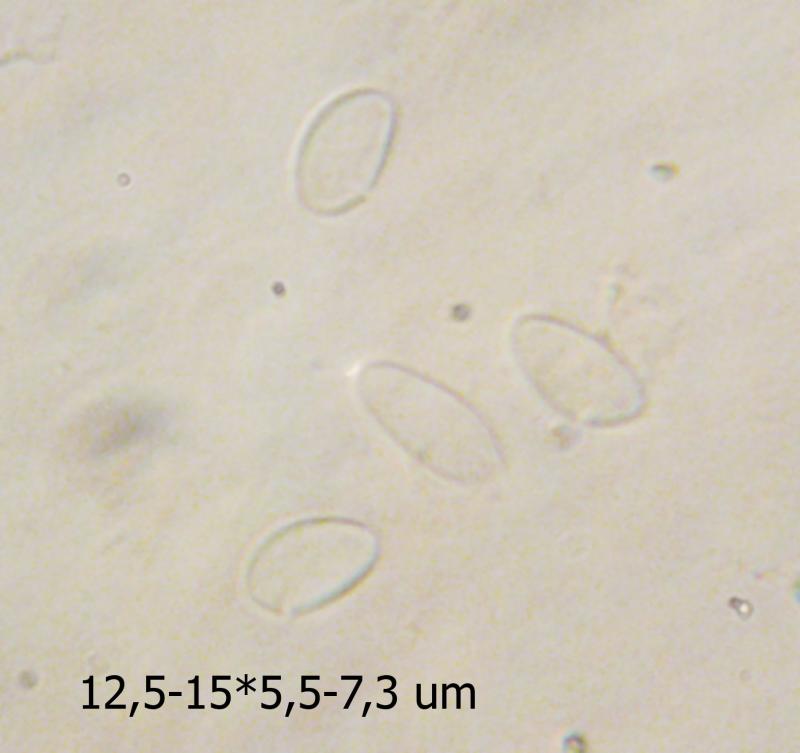
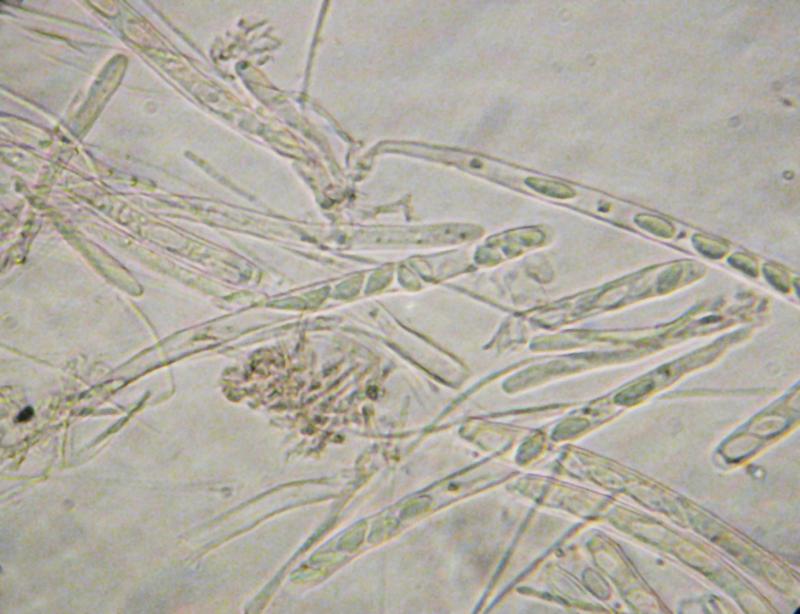
Looks like Ciboria coryli, but I'm not sure. Is someone familiar with this species?
With best regards,
Irina
Hans-Otto Baral,
20-07-2011 16:12

Re : Ciboria coryli?
Seems you have strongly squashed your spores, so they got wider than normal. Yes, with this spore size it must be C. coryli
Zotto
Zotto
erio camporesi,
21-07-2011 23:17

Re : Ciboria coryli?
Hi all,
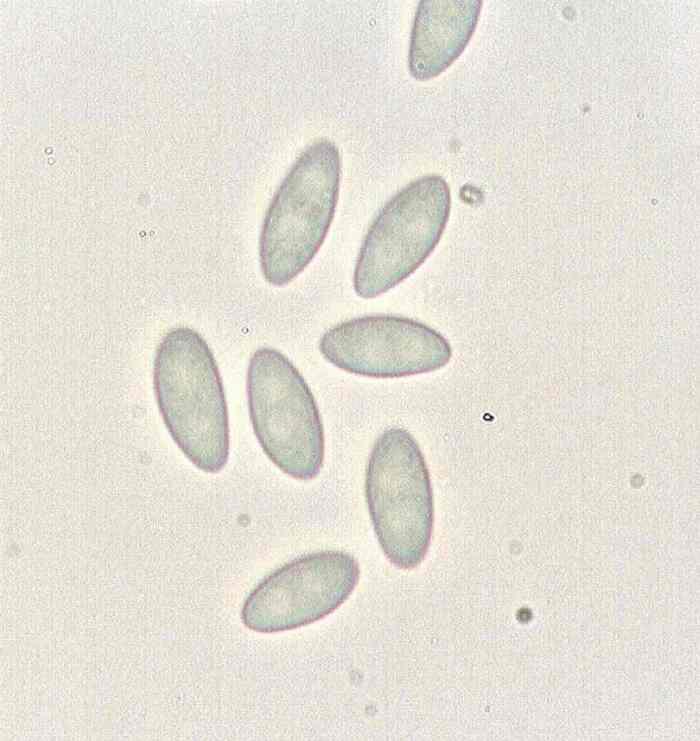
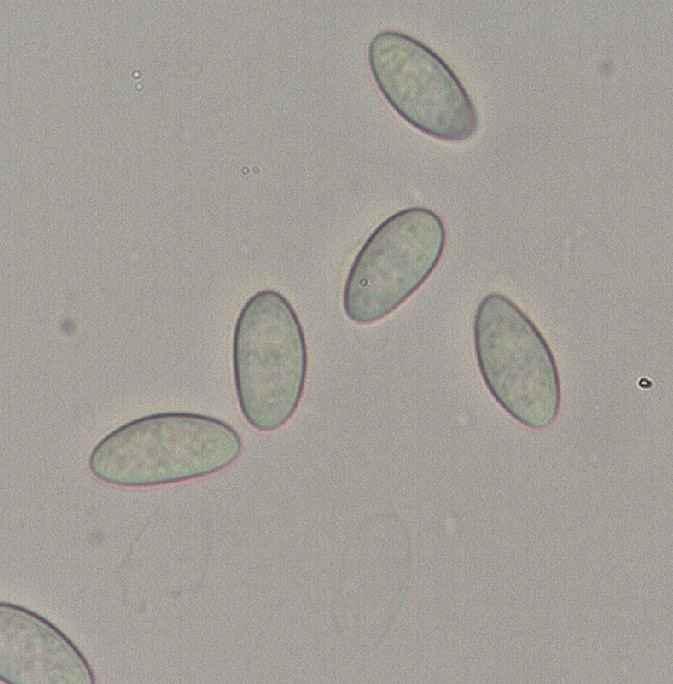
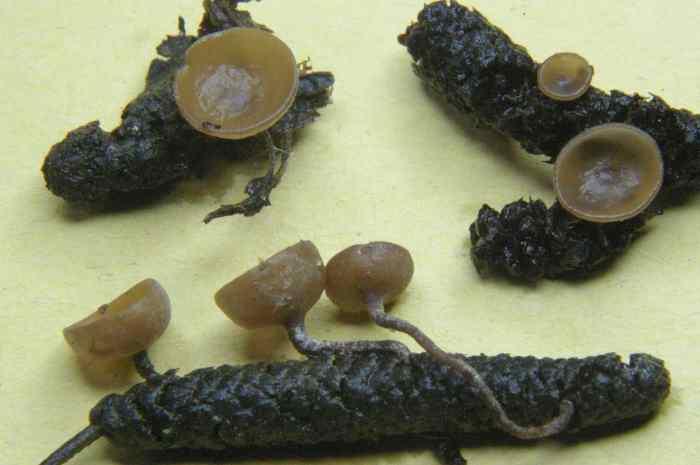
here some macro and microphotoes of my collections:
1) The ascospores are binucleated (hard visible) and sometimes the external layer is separable.
2) The flowers of the catkins are dead unripe (in all my collections).
Erio
here some macro and microphotoes of my collections:
1) The ascospores are binucleated (hard visible) and sometimes the external layer is separable.
2) The flowers of the catkins are dead unripe (in all my collections).
Erio
Hans-Otto Baral,
21-07-2011 23:36
Re : Ciboria coryli?
Hi Erio
I fully concur, and I add that it is necessary to have living spores in order to see the two nuclei. I am not sure whether one can find living spores in Ciboria when the material was dry for some months.
Zotto
I fully concur, and I add that it is necessary to have living spores in order to see the two nuclei. I am not sure whether one can find living spores in Ciboria when the material was dry for some months.
Zotto
Yatsiuk Iryna,
25-07-2011 16:29
Re : Ciboria coryli?
Thank you,
Zotto, now I see that I really squashed spores my preparation.
Irina?
Zotto, now I see that I really squashed spores my preparation.
Irina?
Martin Bemmann,
25-07-2011 19:06

Re : Ciboria coryli?
Hi Irina,
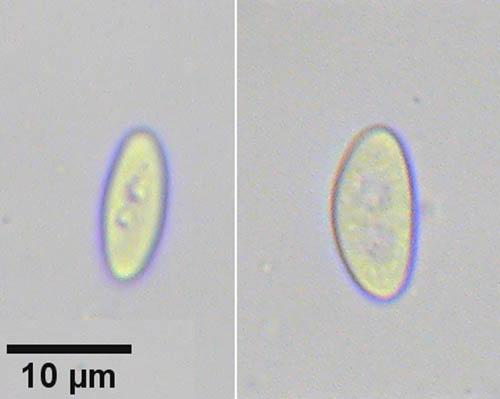
I was lucky to see the nuclei in my collection...
Best wishes,
Martin
I was lucky to see the nuclei in my collection...
Best wishes,
Martin
Yatsiuk Iryna,
26-07-2011 16:34
Re : Ciboria coryli?
Wow! Was it a fresh specimen?
And I will wait for the next spring and do my best to look at fresh material (hope to have a field microscope by that time).
Irina
Raúl Tena Lahoz,
26-07-2011 17:18

Re : Ciboria coryli?
Hi there!
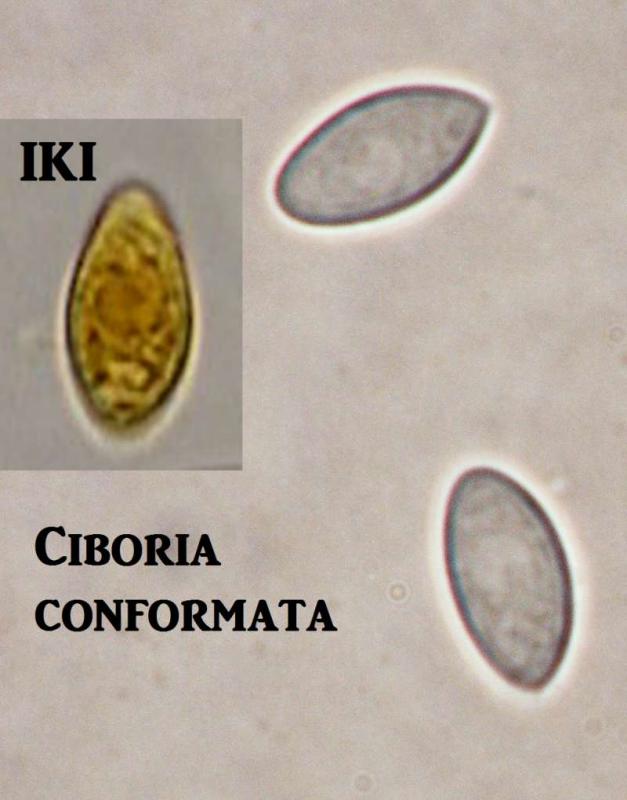
At least Ciboria conformata kept some spores alive after it was dry for a week. See attach, you can see some spores still with the nucleolus. I use little plastic bags to keep moisture in the field and then I put them as soon as possible in the fridge till I can study them.
Raúl
At least Ciboria conformata kept some spores alive after it was dry for a week. See attach, you can see some spores still with the nucleolus. I use little plastic bags to keep moisture in the field and then I put them as soon as possible in the fridge till I can study them.
Raúl
Martin Bemmann,
26-07-2011 17:41
Re : Ciboria coryli?
Yes Irina,
it is from a single fresh specimen, that I found in March this year.
Regards
Martin
PS: and as Raúl said: you don't need a field microscope. Just put your collection in a plastic bag or box and keep it slightly moist for comfortable examination at home...
it is from a single fresh specimen, that I found in March this year.
Regards
Martin
PS: and as Raúl said: you don't need a field microscope. Just put your collection in a plastic bag or box and keep it slightly moist for comfortable examination at home...