
01-03-2016 11:20
 Castillo Joseba
Creo que es un Ascomyceto... pero no tengo idea de
01-03-2016 07:50
 Blasco Rafael
Hola este es el sustrato sobre el cual esta el Fus
29-02-2016 21:05
Castillo Joseba
En madera sinb determinarEsporas algunas con un se
27-02-2016 13:45
 Amadej Trnkoczy
Hi forum, Could this eventually be Ascotremella f
14-06-2013 14:02
Adrian CarterHello All:I was wondering whether anyone might hav
27-02-2016 23:10
Thorben HülsewigHi there,today i found under a rotten wood snaileg
En Phytolacca americana
Castillo Joseba,
01-03-2016 11:20
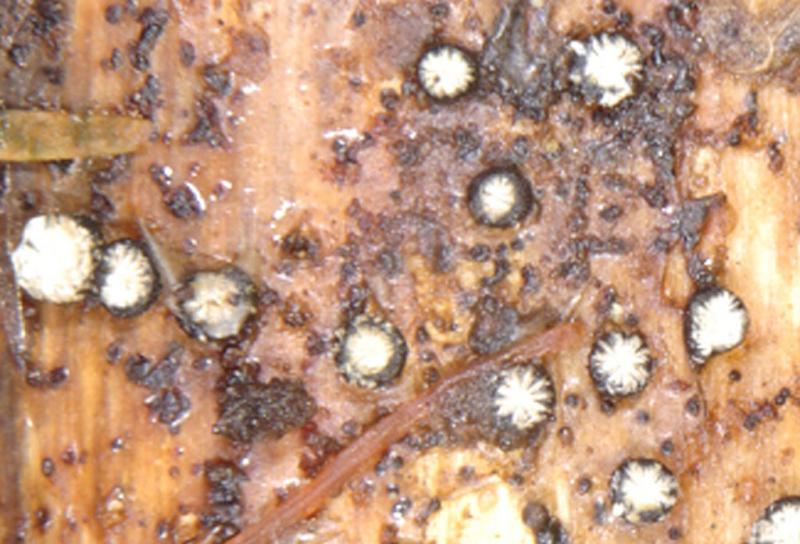
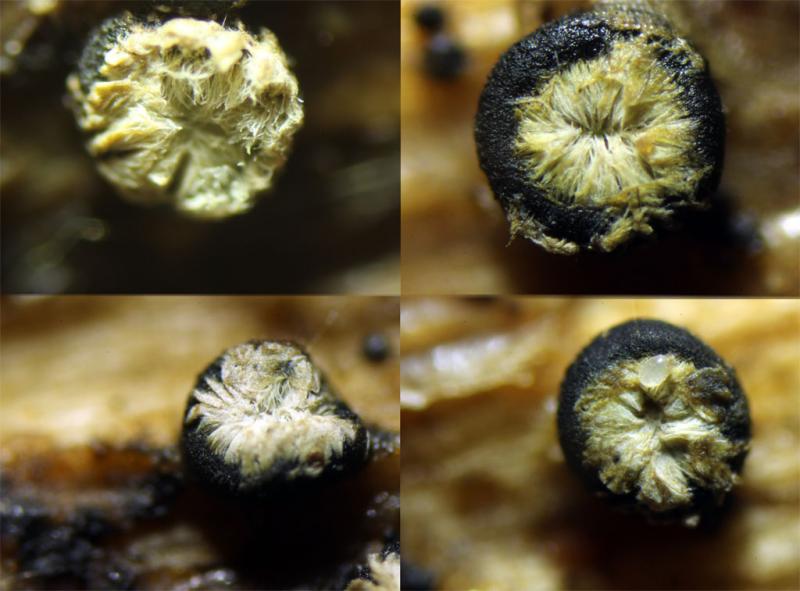
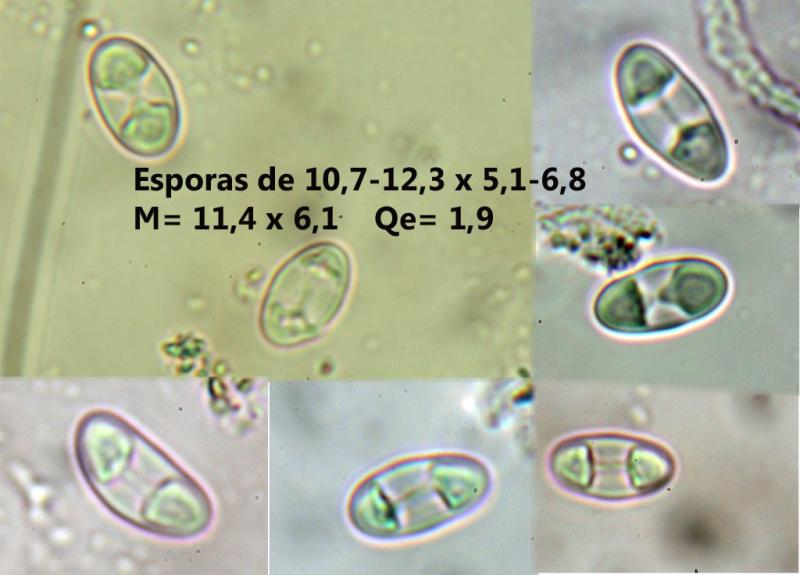
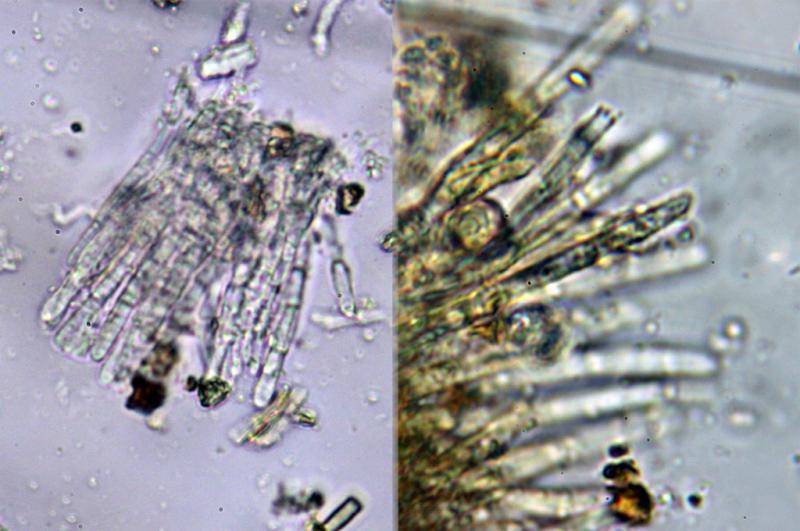
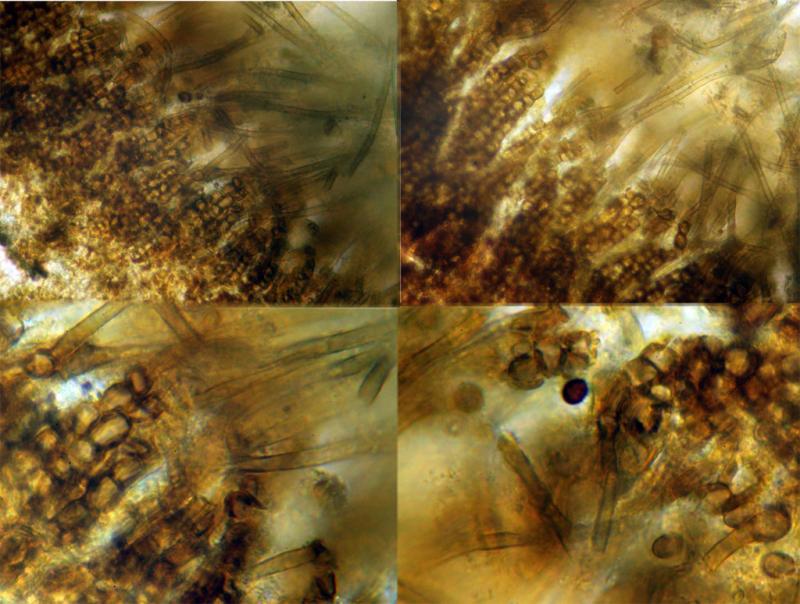
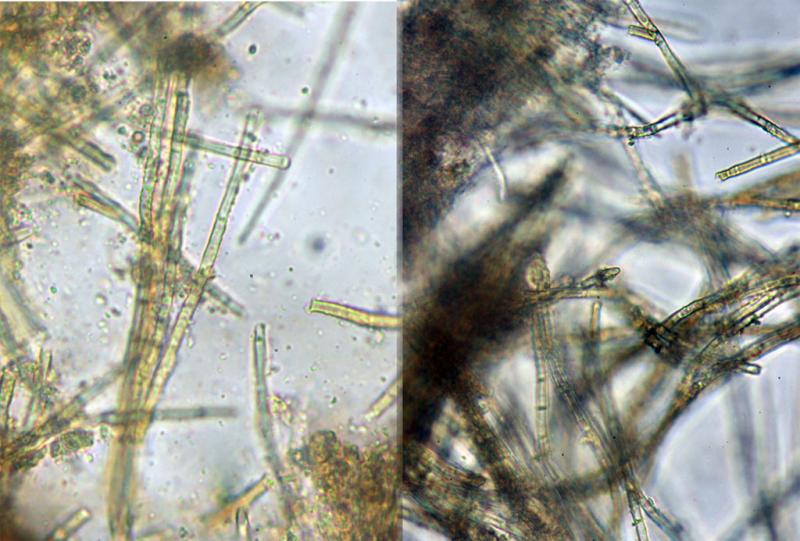
Creo que es un Ascomyceto... pero no tengo idea de que pueda serHe hecho varias praparaciones y me cuenta ver cosas... no tengo seguro que las esporas sean de esta especie
A ver si hay alguna sugerencia
Joseba

Hans-Otto Baral,
01-03-2016 12:11

Re : En Phytolacca americana
I think the apothecia are immature and could belong to Trichopeziza perrotioides. The spores are from a Caloplaca or Xanthoria which I would not expect on a herbaceous stem.
Castillo Joseba,
01-03-2016 12:17
Re : En Phytolacca americana
Gracias Zotto
Joseba
Joseba