
16-08-2017 19:20
 Bernard CLESSE
Bonsoir à tous,Hier j'ai trouvé, sur vieux polyp
16-08-2017 20:48
 Marc Detollenaere
Dear Forum, Today I found a small sisk-shaped fru

14-08-2017 10:24
 David Vaudoré
Hello,does someone have this publication, please?I

19-04-2017 19:09
 Spooren Marco
Hello,Does anyone has a PDF of :Kutorga, E & H
15-08-2017 15:06
 William Slosse
Good afternoon everyone,I found following species
Hyalopeziza
Elisabeth Stöckli,
20-08-2017 11:04
Encore une espèce à glassy hair, sur cônes de Pinus mugo à 2'120m, apothécies 0.1-0.25mm de diamètre, sessiles, surface externe couverte de poils, à hyménium blanc/gris clair, asques 22-29x5-6µm, octosporés, IKI-, spores 6.5-8x1.8-2µm, lisses, hyalines, paraphyses filiformes, poils réfringents 19-37µm, KOH 10% aucune réaction.
Merci d'avance pour vos avis.
Elisabeth
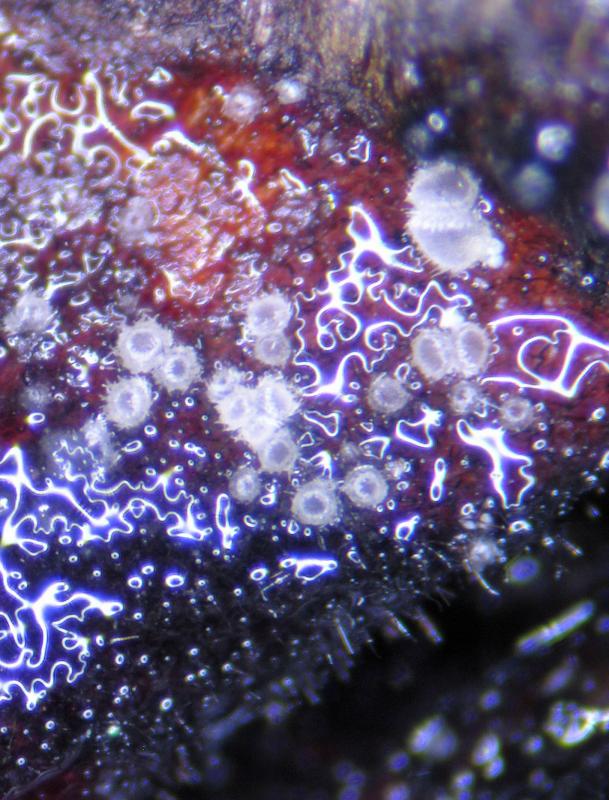
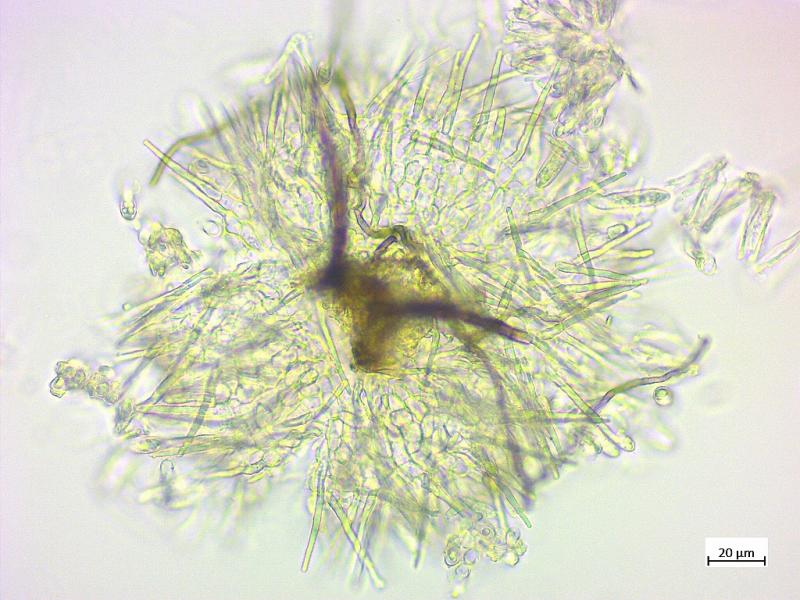
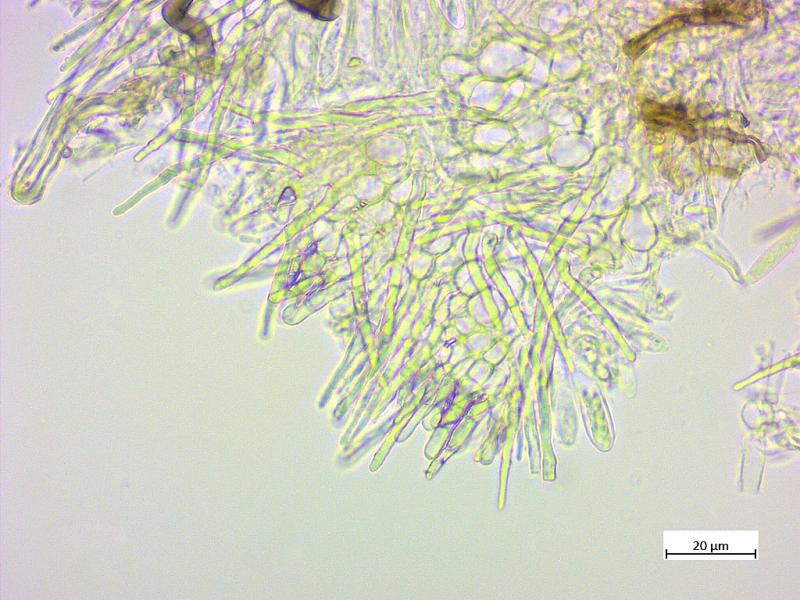
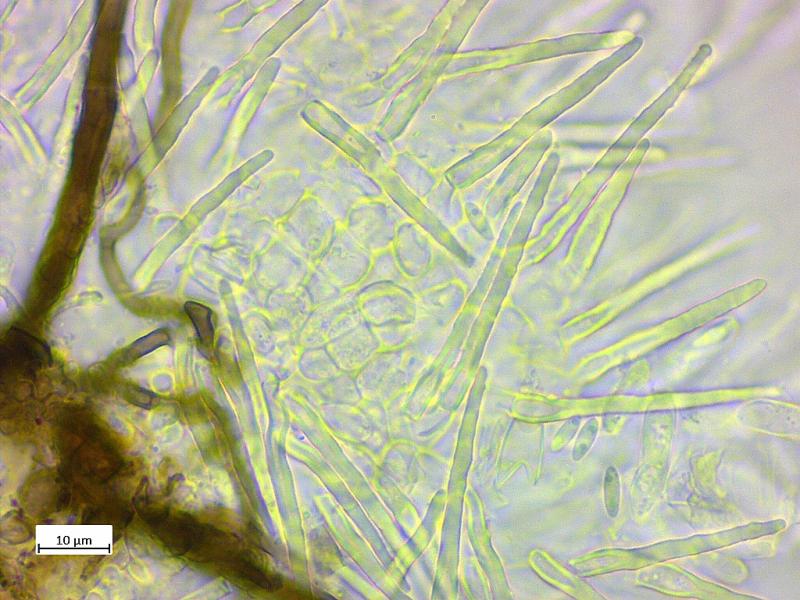
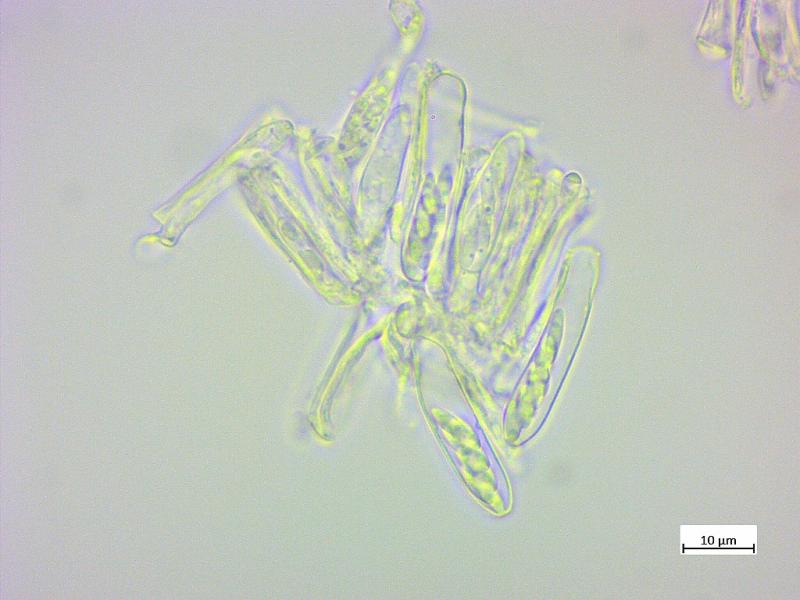
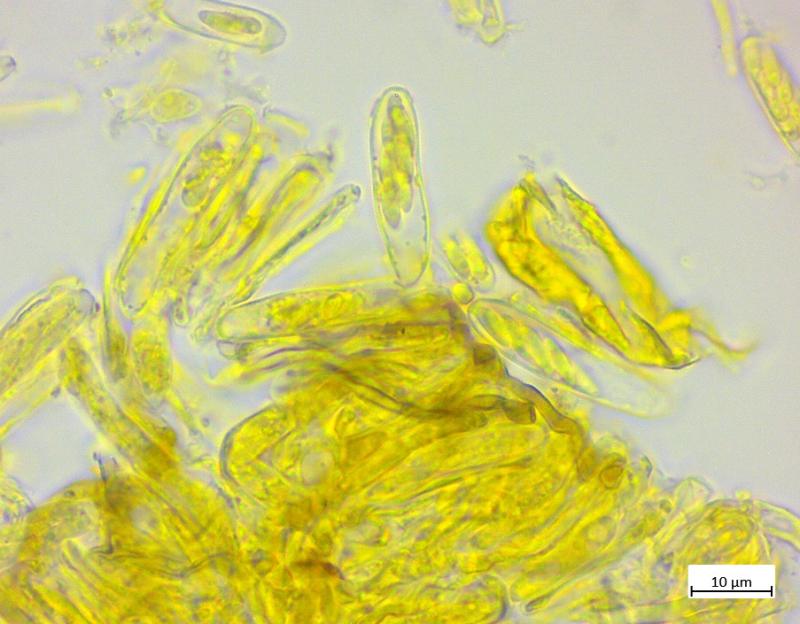
 Snap-11a-0001.jpg
Hans-Otto Baral,
20-08-2017 11:20

Re : Hyalopeziza
Bonjour Elisabeth
je pense la meme que votre collection sur Juniperus communis (1365m), which fits my "Hyalopeziza sambuci" which i consider to place in Macroskyttea.
But here the asci and spores would be too narrow. You do not have seen any free spores?
I would be glad to get the collection data also here.
The Juniperus sample you appear to have sent to Timo. I hope he could successfully get a sequence of it.
Thanks
Zotto
je pense la meme que votre collection sur Juniperus communis (1365m), which fits my "Hyalopeziza sambuci" which i consider to place in Macroskyttea.
But here the asci and spores would be too narrow. You do not have seen any free spores?
I would be glad to get the collection data also here.
The Juniperus sample you appear to have sent to Timo. I hope he could successfully get a sequence of it.
Thanks
Zotto
Elisabeth Stöckli,
20-08-2017 11:52
Re : Hyalopeziza
Merci Zotto.
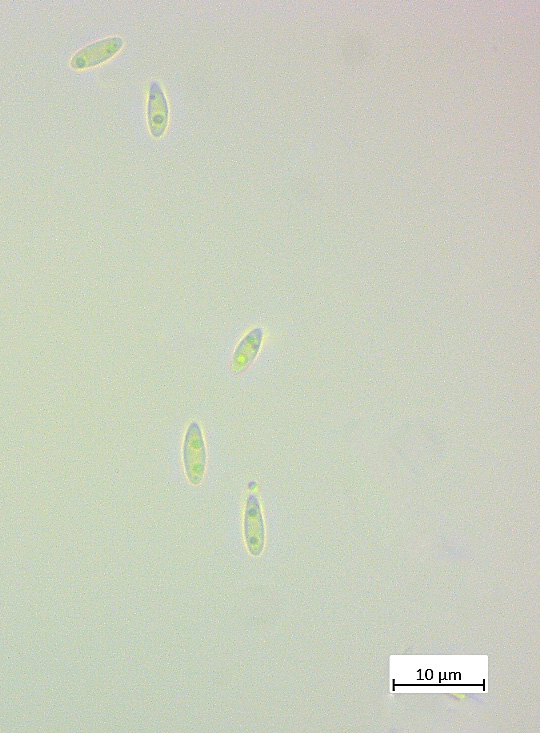
Habe ein Sporenfoto nachträglich angefügt. Im Gegensatz zur Juniperuskollektion habe ich dieses Mal eine schöne Kollektion.
Elisabeth
Habe ein Sporenfoto nachträglich angefügt. Im Gegensatz zur Juniperuskollektion habe ich dieses Mal eine schöne Kollektion.
Elisabeth
Hans-Otto Baral,
20-08-2017 12:00
Re : Hyalopeziza
Also hier messe ich 6-6.3 a 2-2.2 µm. Das ist immer noch recht schmal, aber an eine andere Art denke ich eigentlich nicht.