27-12-2019 05:59
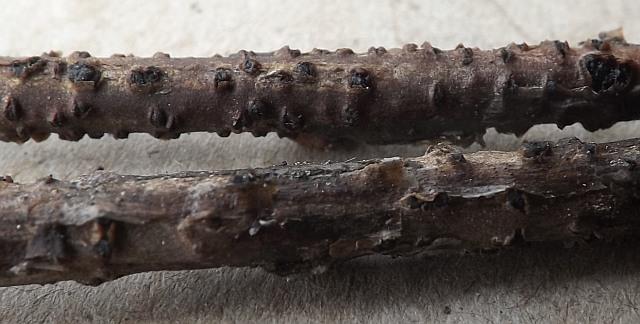
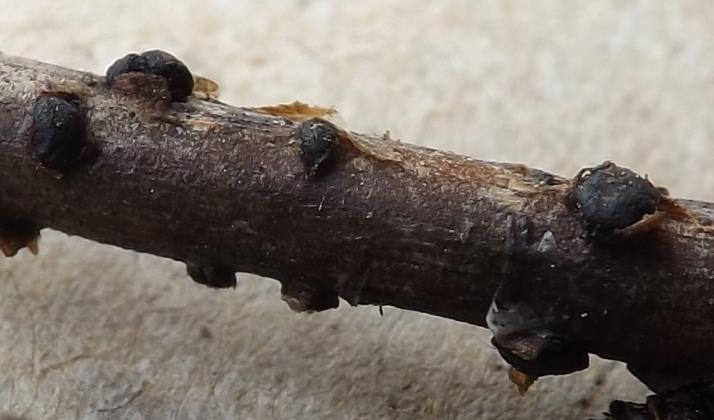
I found this two days ago on decorticated Ulmus in
28-12-2019 14:21
Edvin Johannesen
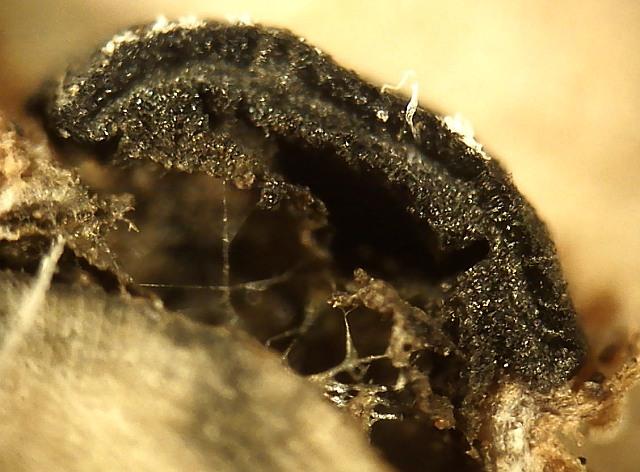
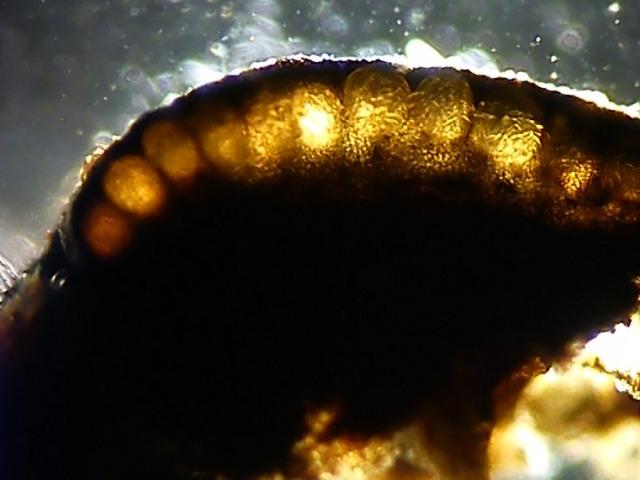
These black spheres (acervuli or pseudothecia? - n
27-12-2019 02:29
Lepista ZacariasDear all,I'm in trouble with my microscope and it
27-12-2019 02:29
Lepista ZacariasDear all,I'm in trouble with my microscope and it
25-12-2019 17:54
Valencia Lopez Francisco JavierHola a todos/asEstas supuestas pezizas estaban en
26-12-2019 16:29
William Slosse
Hello forum, on 19-12-2019 I found on an old dune
26-12-2019 16:05
Stephen Martin Mifsud
I was trying to recultivate a species of Talaromyc
25-12-2019 23:16
Stephen Martin Mifsud
I am culturing and trying to identify three asperg
26-12-2019 11:34
Marc Detollenaere
Dear forum, Yesterday I found an tree-like an
20-12-2019 11:33
Bernard CLESSE
Récolte et photos en provenance d'amis espagnols.
Which Xylariaceae?
Garrett Taylor,
27-12-2019 05:59
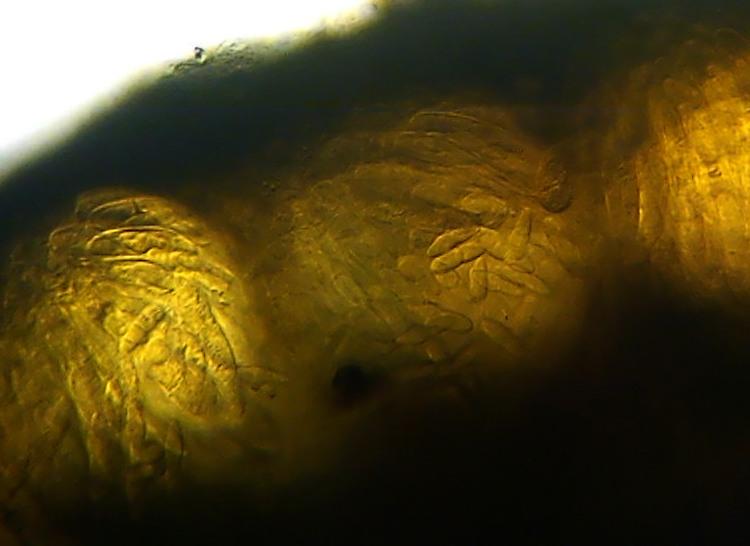
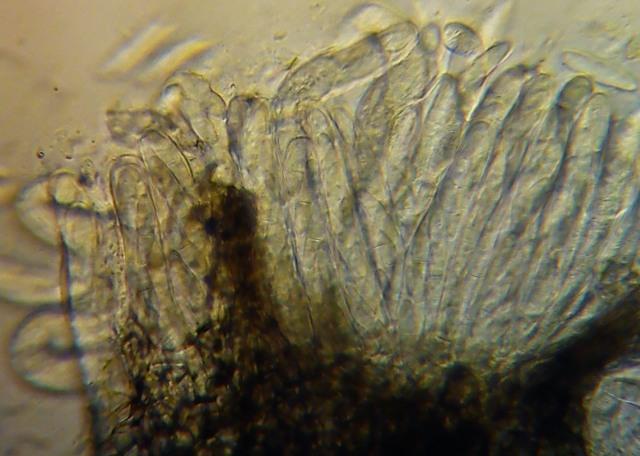
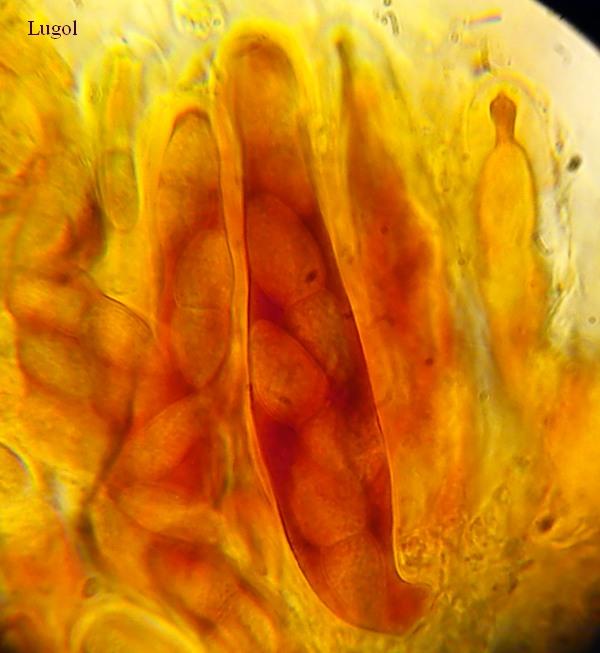
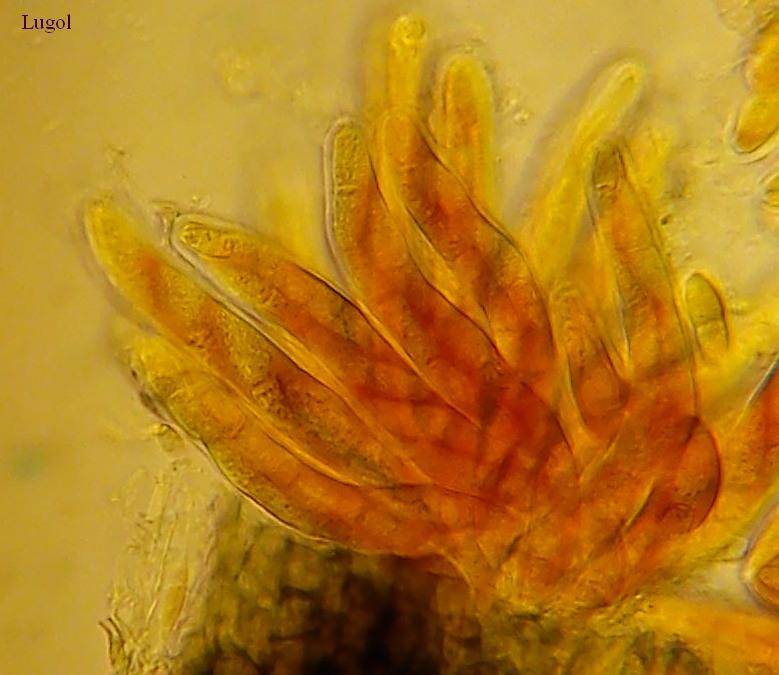
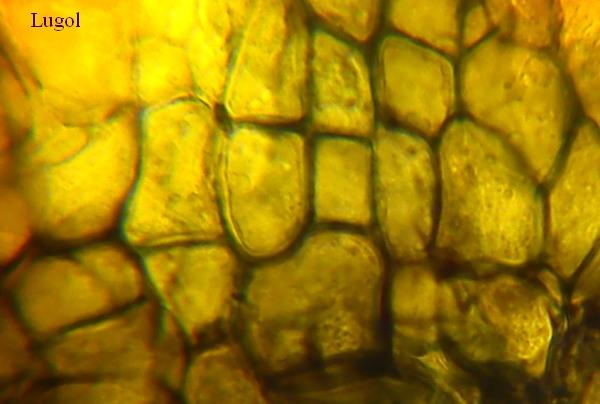
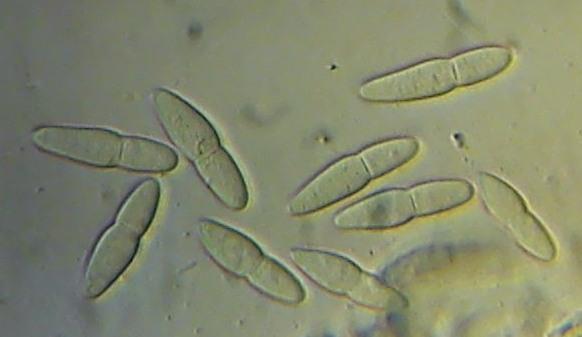
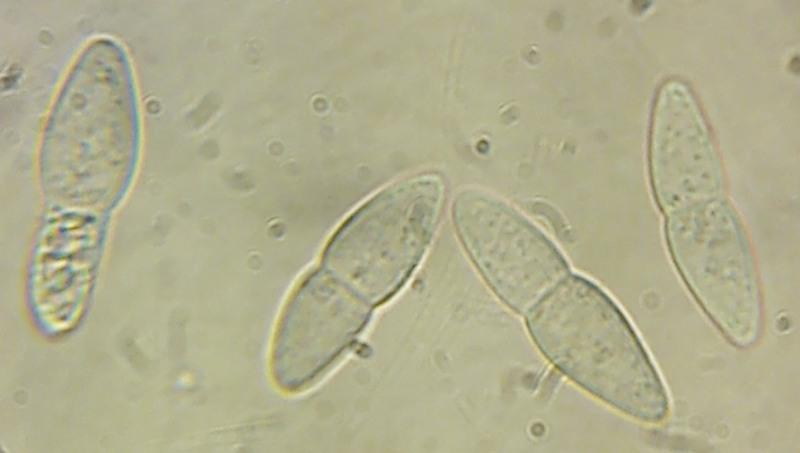
Q = (2.1) 2.4 - 3 (3.3) ; N = 35
Me = 12.4 × 4.6 µm ; Qe = 2.7
Jacques Fournier,
27-12-2019 12:07
Re : Which Xylariaceae?
Hi Garrett,
your fungus is suggestive of Pyrenomyxa, a genus revised in 2005 by Stadler et al., Mycologia 97(5): 1129-1139.
Two of the three species could match your find, P. picea and P. morganii, more likely the former because of the apparently orange brown colour of the stroma shown by your photo.
If you check the paper you should get to a more reliable identification.
Cheers,
Jacques
Garrett Taylor,
28-12-2019 05:37
Re : Which Xylariaceae?
Thanks so much, Jacques! After reading the material you suggested, it does appear your intuition that this is Pyrenomyxa picea (Ellis) M. Stadler, Læssøe & Lar. N. Vassiljeva, comb. nov. is correct in this instance. The spores here are slightly larger than reported, but this was a fresh specimen.
P. morganii has only been collected in Eastern Russia. It's KOH-extractable pigments are all of the colors, even purple after a time.
P. invocans is also reddish brown and also found near me, but it's KOH-extractable pigments are orange, not green.
This isn't the first time for me finding this Genus, so it feels extra great to know what it is!
*I edited the spore size as I truncated the first part of the length measurment originally.
P. morganii has only been collected in Eastern Russia. It's KOH-extractable pigments are all of the colors, even purple after a time.
P. invocans is also reddish brown and also found near me, but it's KOH-extractable pigments are orange, not green.
This isn't the first time for me finding this Genus, so it feels extra great to know what it is!
*I edited the spore size as I truncated the first part of the length measurment originally.
Jacques Fournier,
28-12-2019 16:33
Re : Which Xylariaceae?
Thanks for our enthusiastic answer Garrett.
Actually I just know Pyrenomyxa from literature and I do not expect to find it in Western Europe.
I you ever come across some material in good condition again, I would be very grateful if you can send me a sample, gently air-dried, wrapped in paper and posted by ordinary mail.
Thanks a lot!
Jacques
Garrett Taylor,
29-12-2019 04:45
Re : Which Xylariaceae?
There are a few of them on that log that looked like they were in nice shape, if you send me your address I will glady try to see if I can get some off in one piece and send a sample along. My email is taygamu at gmail.com