

08-03-2019 17:37
Ethan CrensonFound in New York City on the detached bark of unk
12-03-2019 11:54
 Castillo Joseba
Me maqndan el material seco de Galicia, recolect
10-03-2019 22:31
Ron BronckersHello,Can anybody provide me with a copy of the fo
12-03-2019 10:42
Castillo Joseba
Me mandan el material seco desde Galicia, naciendo
10-03-2019 09:17
Hans HalbwachsDear all,I would like to ask the community to help
09-03-2019 18:40
 Riet van Oosten
Hello, Found by Laurens van der Linde, on Berberi
11-03-2019 14:01
Castillo Joseba
Mer mandan el material seco desde Galicia, en hoja
Conidia
Elsa Sousa,
12-03-2019 00:56
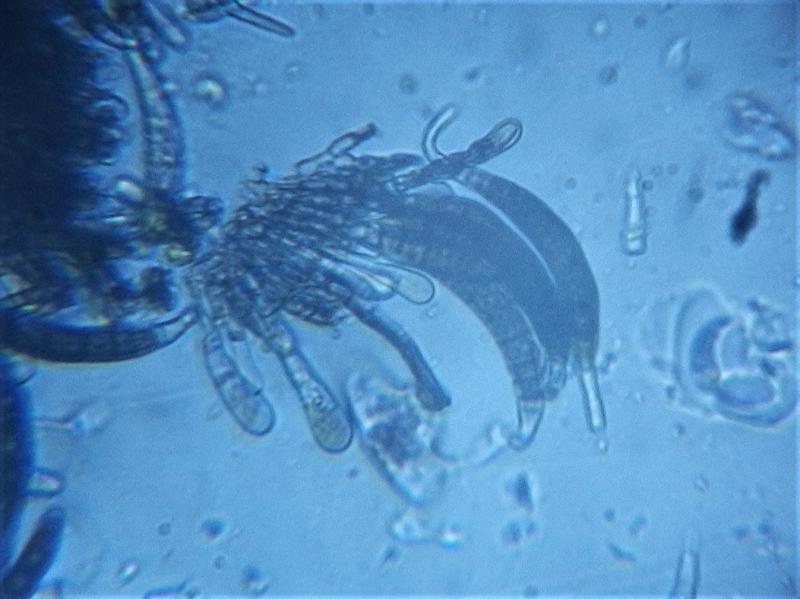
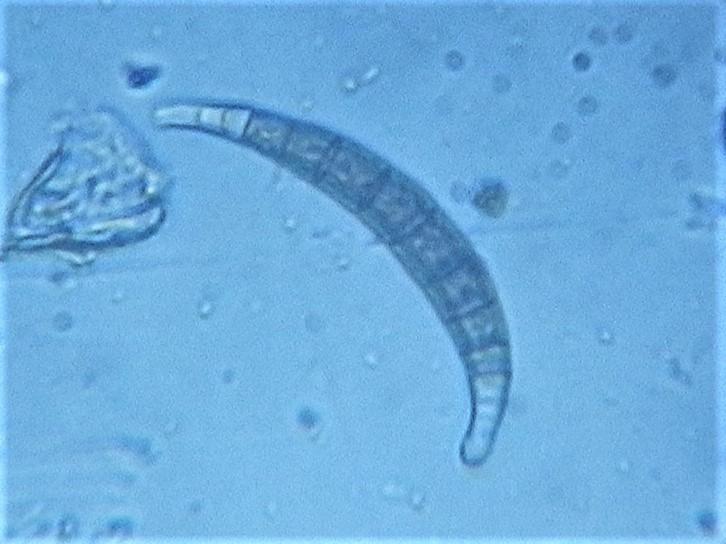
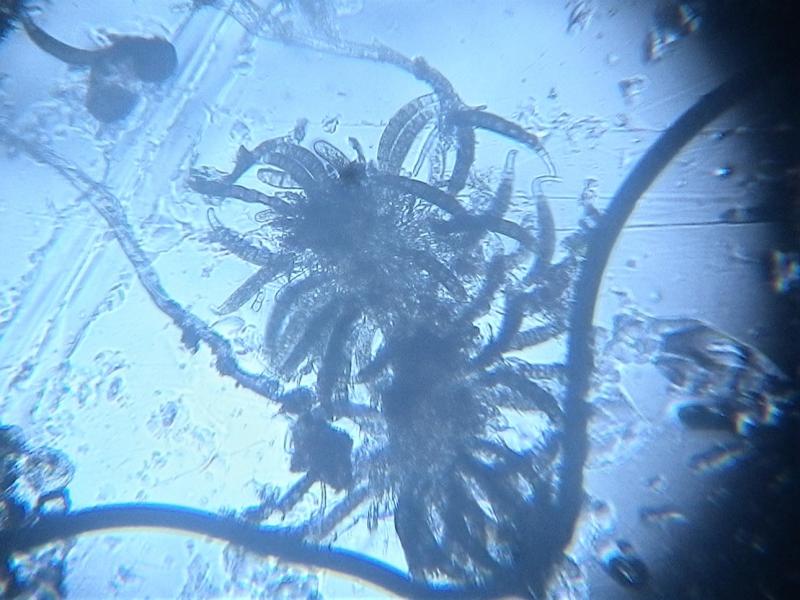
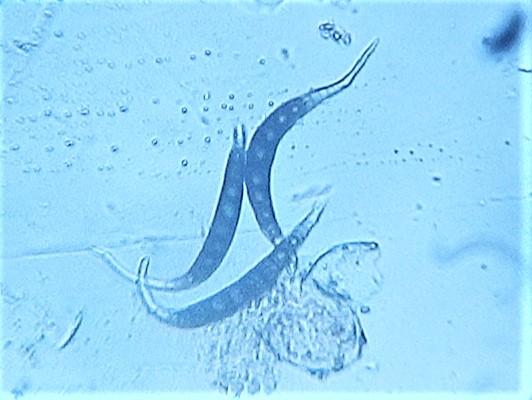
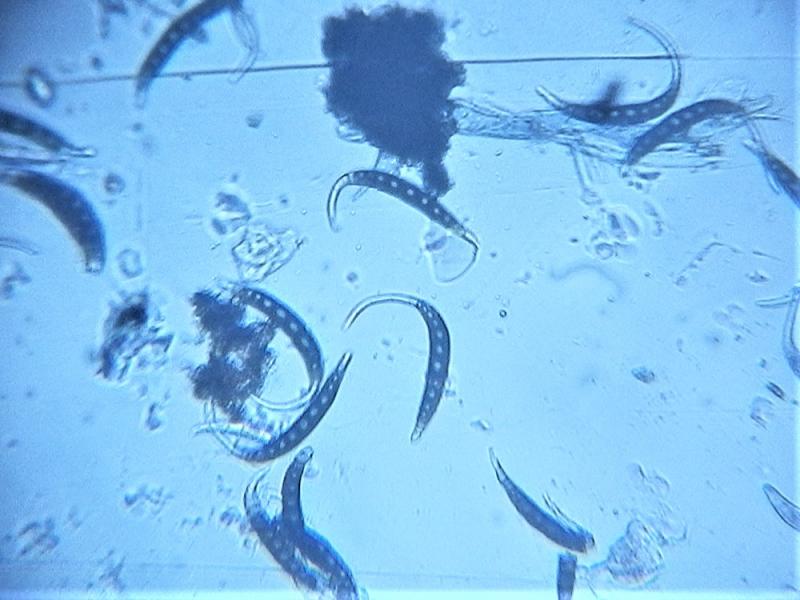
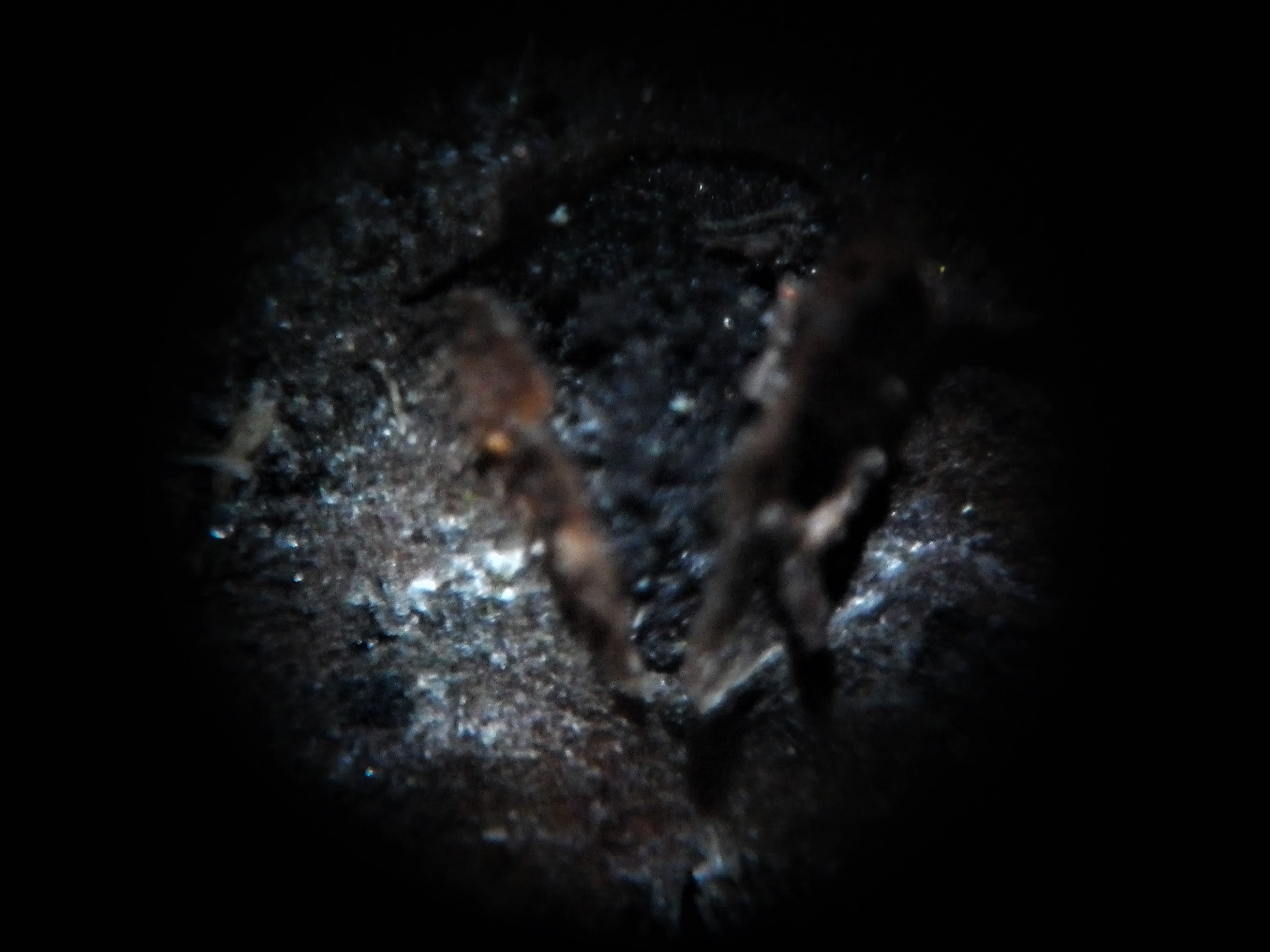
On a fallen branch. I'm not sure about the tree. There were many Platanus and Tilia and one Fagus.
Conidia 140-180
Any idea?
Thank you
Regards
Elsa
 IMGP0015-2--0001.JPG
Alain GARDIENNET,
12-03-2019 08:01

Re : Conidia
Hi Elsa,
Maybe Scolicosporium fagi . If yes, wood is probably Fagus.
Alain
Elsa Sousa,
12-03-2019 20:06
Re : Conidia
Hello Alain,
I think that's it.
Thank you very much!
Regards
Elsa
I think that's it.
Thank you very much!
Regards
Elsa