
30-11-2019 17:13
 Robin Isaksson
Found this asco on Racomitrium, the moss was dead
01-12-2019 22:12
PASCAL DUBOCBonsoir je ne sais si je suis dans le bon genre..


30-11-2019 21:40
 Viktorie Halasu
Hello,I'd like to ask for you help:1. Is it Unguic
30-11-2019 01:55
 Joao Baptista-Ferreira
I should be grateful if someone could provide me w
30-11-2019 08:06
Stefan BlaserDear all, I need help with this one: Substrate:
Found this asco on Racomitrium, the moss was dead or nearly so.Spores with a germslit, and it seems like it have a thin gealcoating.
14x8
13x9
11x7,5
12x7,5
12x8
11x8
12x8
Asci is lugols and 10koh+Lugols negative
Parafyses septate.
Anyone have an Idea about genus?
Regards
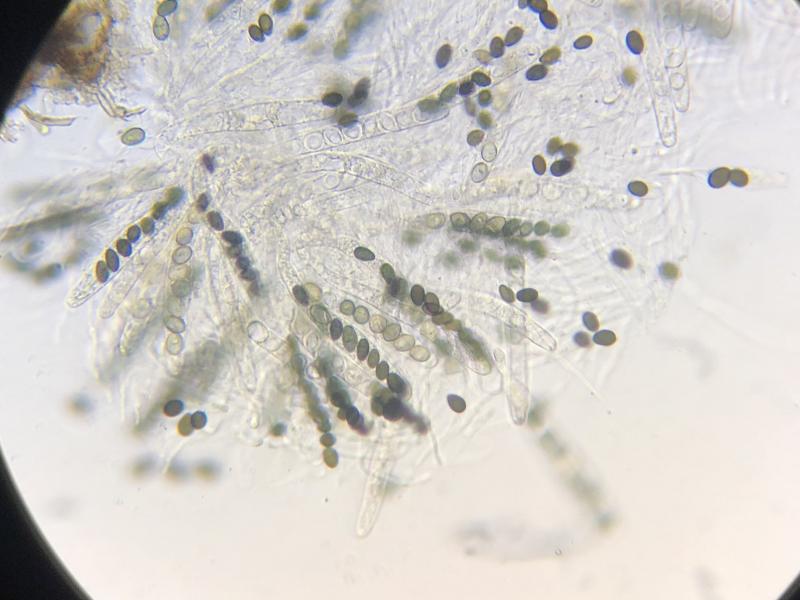
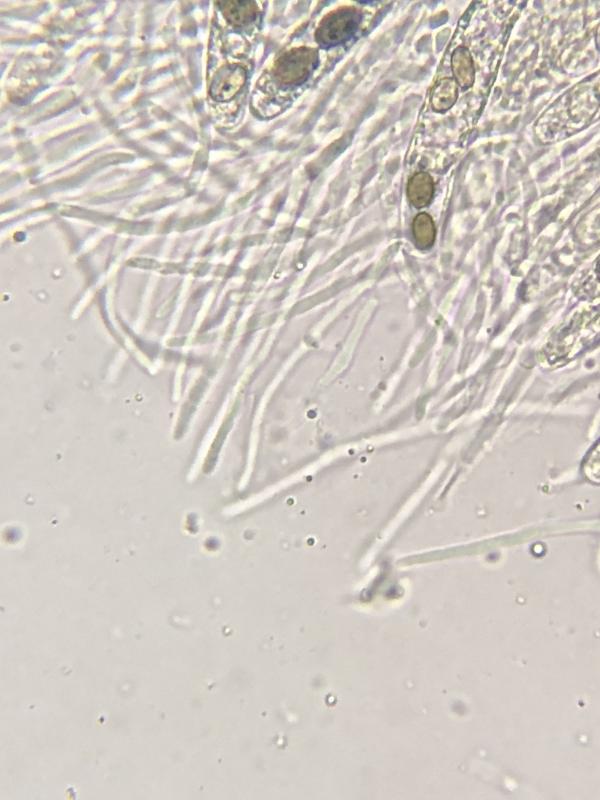
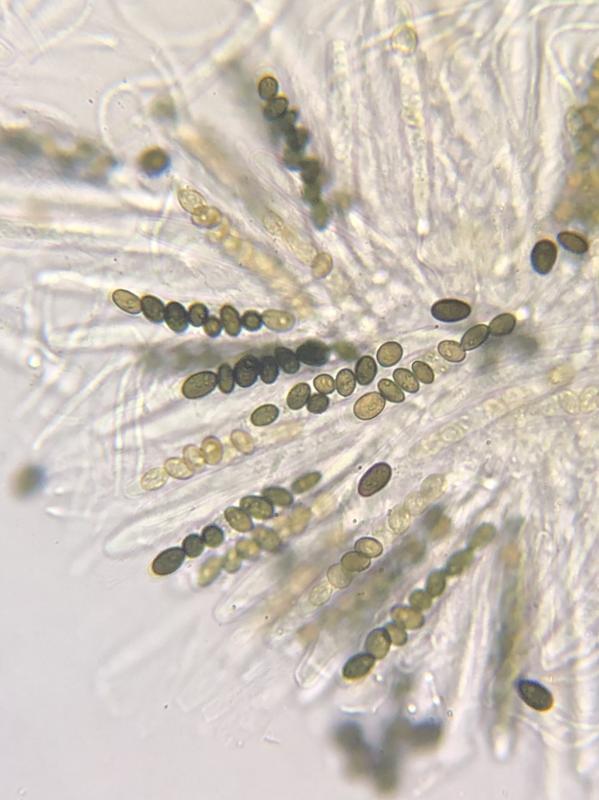
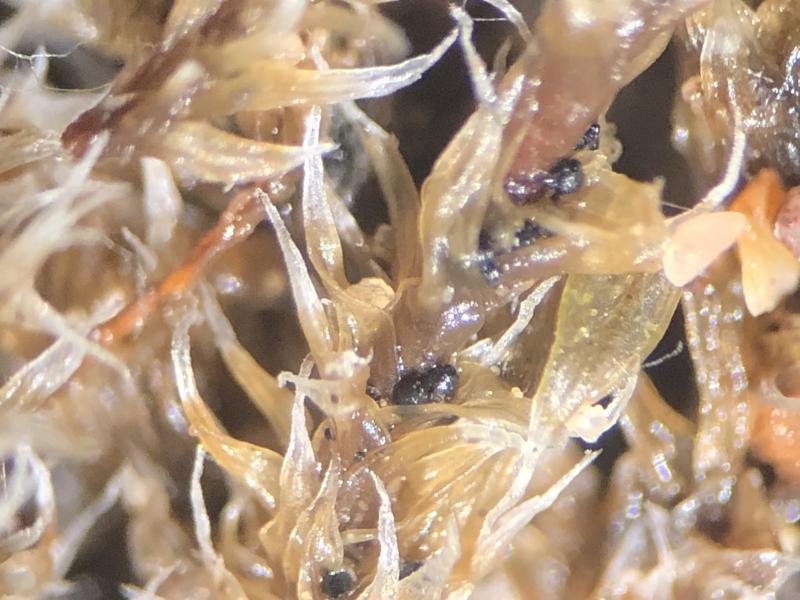

perhaps a Coniochaeta?
Best regards, Lothar
Yes was thinking of that genus, but was not sure.
the whole fruit body have setae.
there is a key i see, but is it many species who has moss as substrate?
Regards
Hello Robin,
maybe C. ligniaria?
The moss is fully bleached - maybe this has a reason. Perhaps manure or urine of an animal?
Coniochaeta-species usually grow on dung or wood, as nutrient-loving saprobes. Moss as substrate is unusual, but as the species are quite polyphageous perhaps not a wonder - and for me it is unlikely that there are species of this genus that are (exclusively) bryophilous.
Best, Lothar