
16-10-2022 11:22
 Andgelo Mombert
Bonjour, Nous n'avons toujours pas récolu l'éni
22-08-2023 18:51
Shane JohnI am trying to locate a paper by Kirk (1984) in My
23-08-2023 17:29
 Bernard Declercq
Hello,I am looking for following paper:E Hüsey?n,
23-08-2023 07:19
Zuidland PeterHello all,I need assistance with the ID of this in
22-08-2023 20:38
 Enrique Rubio
Hi friendsThese isolated, non-stromatic, blackish,

16-08-2023 21:08
Elisabeth StöckliBonsoir,Cette espèce a été trouvée sur mousse
08-08-2023 14:07
Juuso ÄikäsThese little pyrenos were growing on a dead stem o
18-08-2023 19:01
 Chris Yeates
Bonsoir tous Mycobank and Index Fungorum both pla
Sordariale ? sur place à feu
Andgelo Mombert,
16-10-2022 11:22
Bonjour,
Nous n'avons toujours pas récolu l'énigme de cette espèce déjà proposée sur le forum il y a plusieurs années. Récoltes de Claude Vernillet, en Haute-Saône (France).
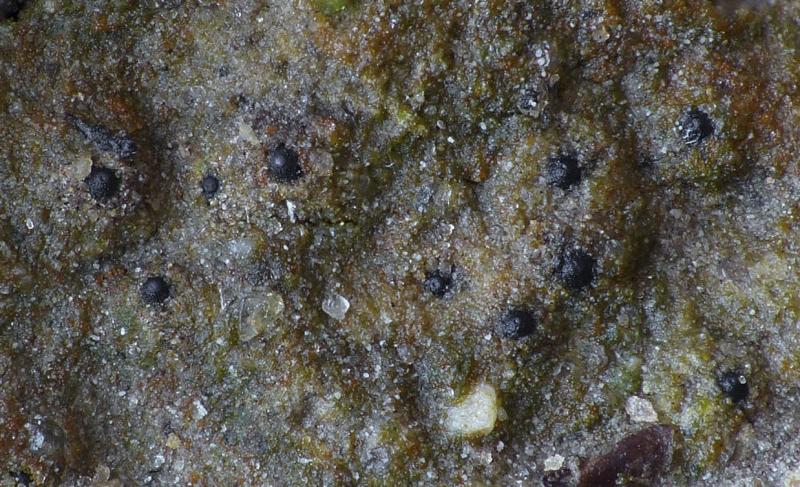
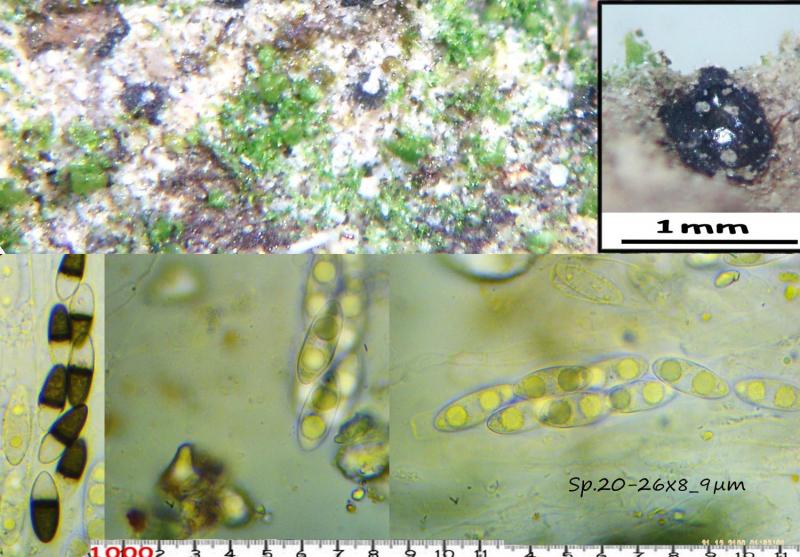
Ascomes globuleux, lisses, noirs, de 0,3-0,8 mm de diamètre, sur place à feu, immergés dans la terre nue, ne laissant apparaître que le petit ostiole.
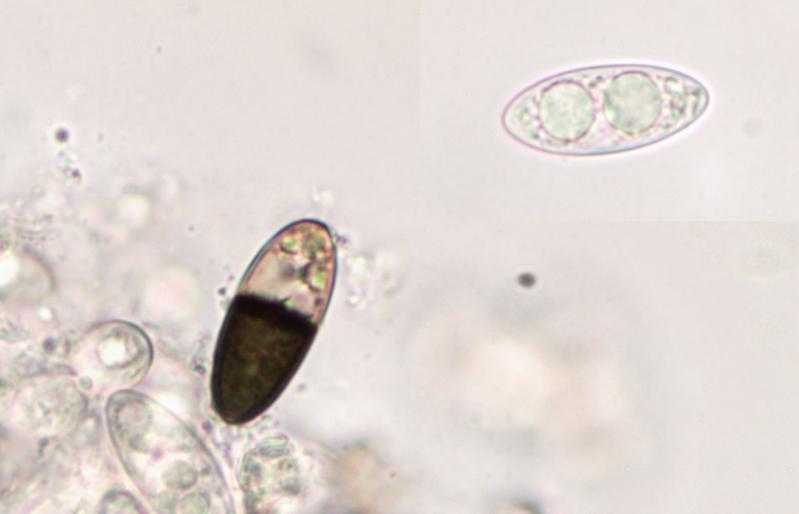
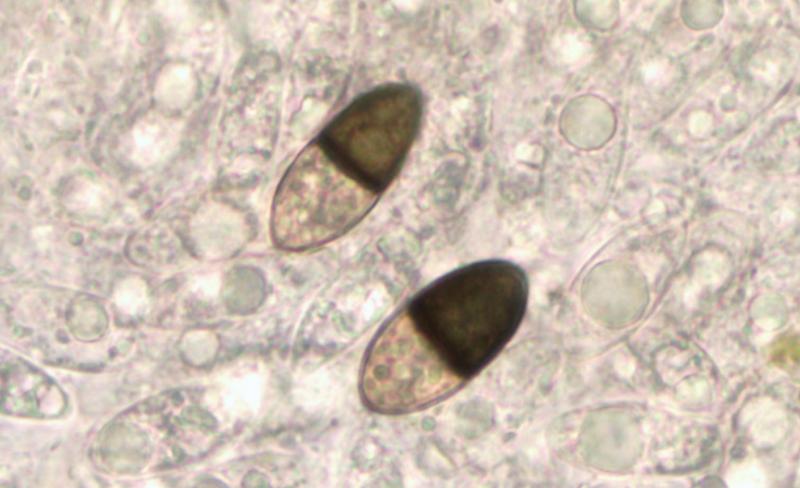
Ascospores : 20-26 x 8-9 µm, elliptiques à fusiformes, hyalines, biguttulées, lisses, devenant septées et bicolores à l'intérieur des asques.
Asques : cylindracés, unituniqués, non amyloïdes, contenant huit spores unisériées ou bisériées.
On a pensé aux genres Strattonia et Jugulospora mais aucune espèce ne convient.
Merci pour votre aide.
Quelques photos de Claude et moi-même.
Andgelo
Hans-Otto Baral,
16-10-2022 11:45

Re : Sordariale ? sur place à feu
Hi Andgelo
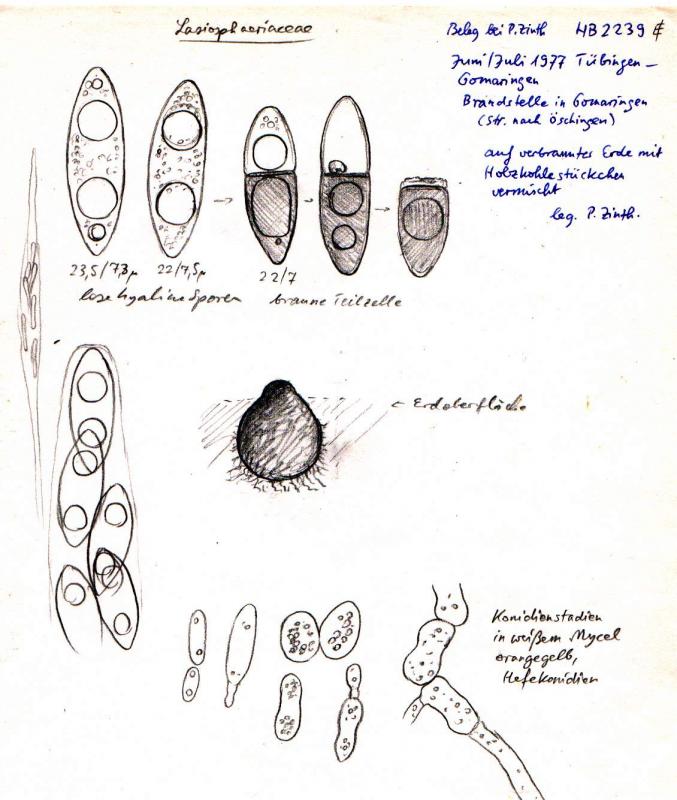
I presume this is the same, also on soil after a fire.
Zotto
Andrew N. Miller,
16-10-2022 14:41

Re : Sordariale ? sur place à feu
I would be happy to sequence this if you send it to me.
Cheers,
Andy
Cheers,
Andy
Andgelo Mombert,
18-10-2022 15:06
Re : Sordariale ? sur place à feu
Zotto, yes it's probably the same !
Andy, if we find fresh and abundant material, we will send it to you with pleasure.
Andy, if we find fresh and abundant material, we will send it to you with pleasure.
Andgelo Mombert,
27-08-2023 10:17
Re : Sordariale ? sur place à feu
A big thank you to Andrew who identified the species, it is Diplogelasinospora grovesii.
I don't know if this Asian species has ever been found in Europe.
I don't know if this Asian species has ever been found in Europe.
Zotto, I think you found the same thing, but the dark part of the spores is ornamented when they are mature.
Andgelo
Andgelo