

30-04-2026 10:28
Rot BojanHello, by appearance I would say that I am dealing
27-04-2026 18:48
Tony MoverleyCollected 23rd April 2026, Norfolk, EnglandSwarms
14-04-2026 05:32
Ethan CrensonHi all, A few weeks back a friend pointed out som
27-04-2026 20:52
 Lothar Krieglsteiner
Found on hanging tiwg of Olea europaea in dried-ou
28-04-2026 22:51
 Bernard CLESSE
Bonsoir à toutes et tous,Pourriez-vous m'aider à
29-04-2026 08:01
Lothar Krieglsteiner
... on twig attached to small tree of Citrus auran
29-04-2026 10:44
Lothar Krieglsteiner
growing at moist, drying-out soil at the side of a
28-04-2026 20:33
Vitus SchäfftleinHello, I found Trochila ilicina on Ilex aquifoliu

Polysporous diatrypaceous asco
Chris Yeates,
24-11-2017 19:56
 Bonsoir tous
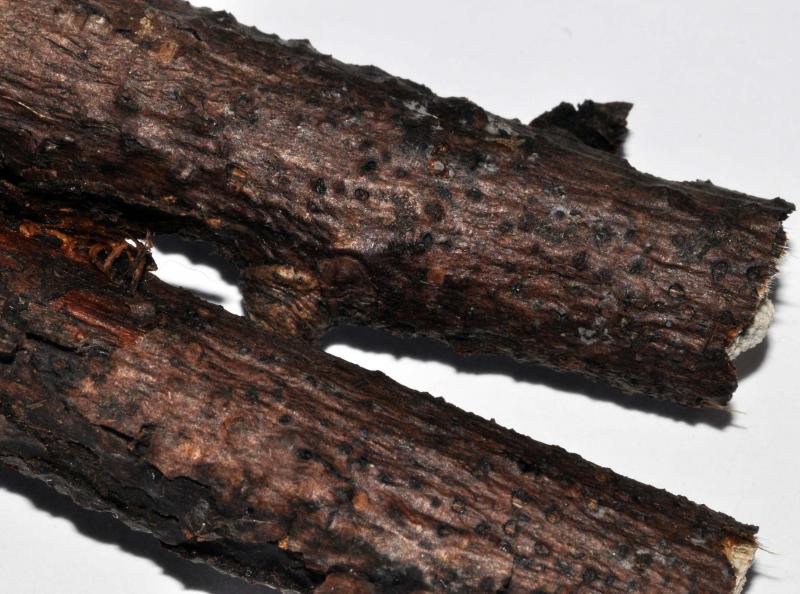
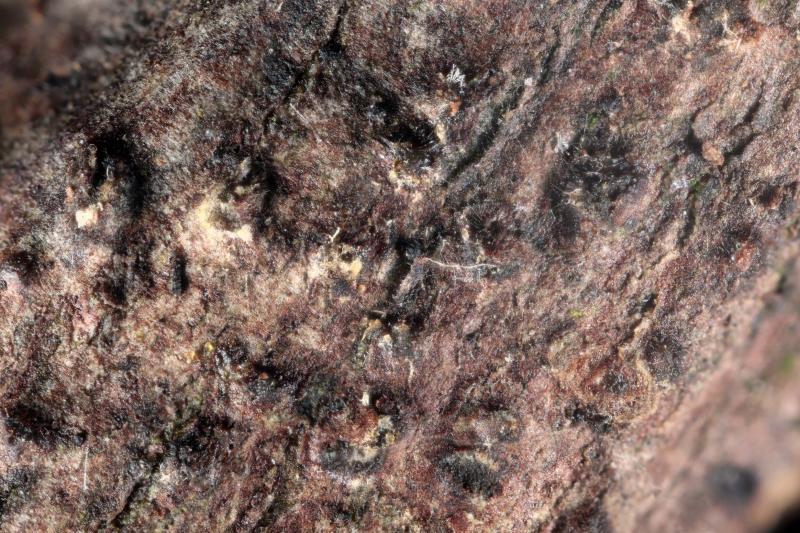
This was found on corticated attached twigs (around 1cm diameter) of Ulmus glabra.
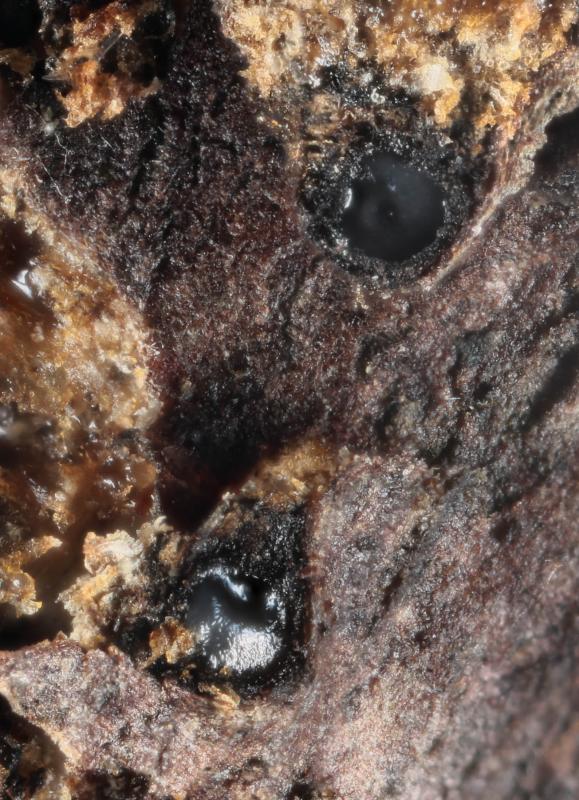
The perithecia are scattered singly, not sharing a common emergence point. about 0.5mm in diameter.
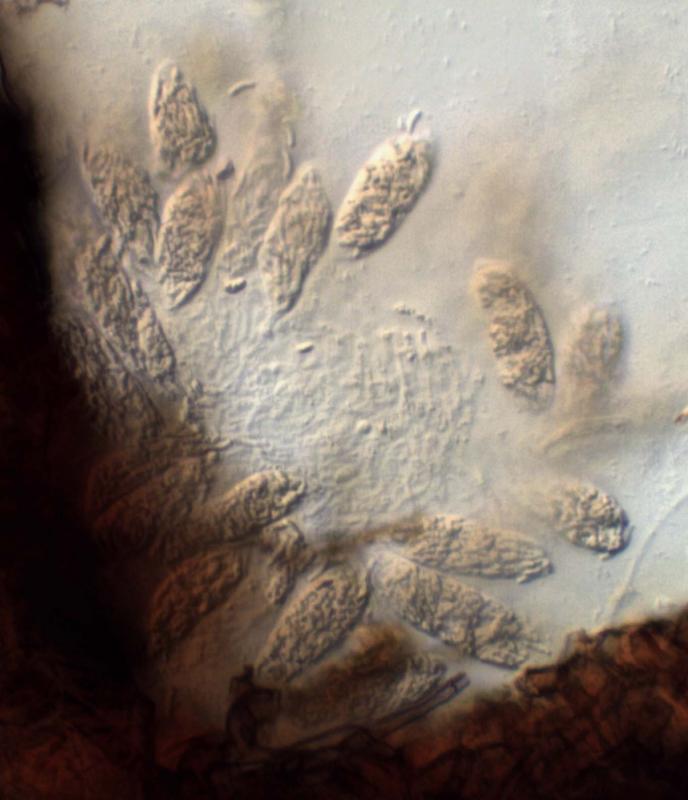
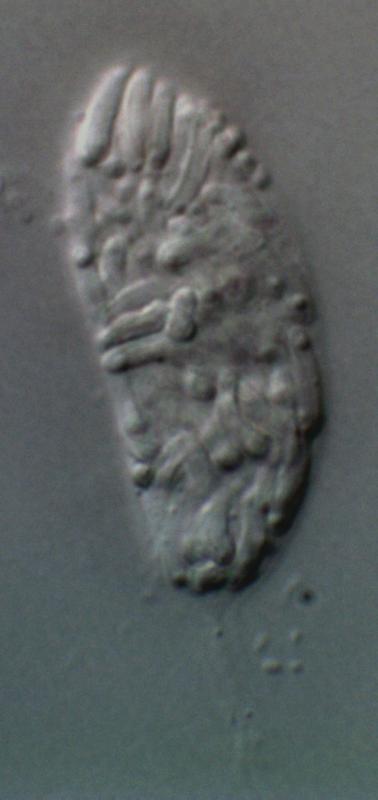
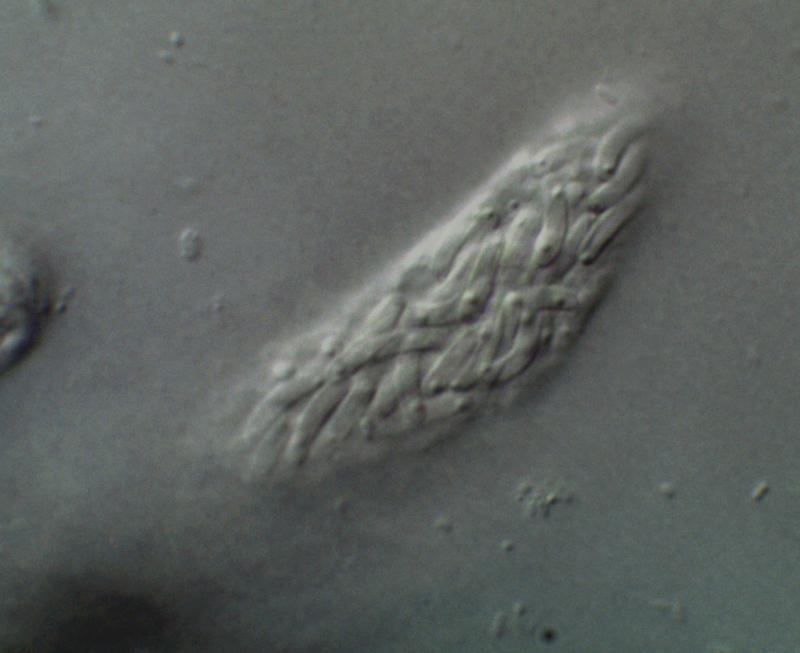
Asci are free in the venter, saccate and without an obvious apical apparatus; polysporous, difficult to count but probably 64-spored.
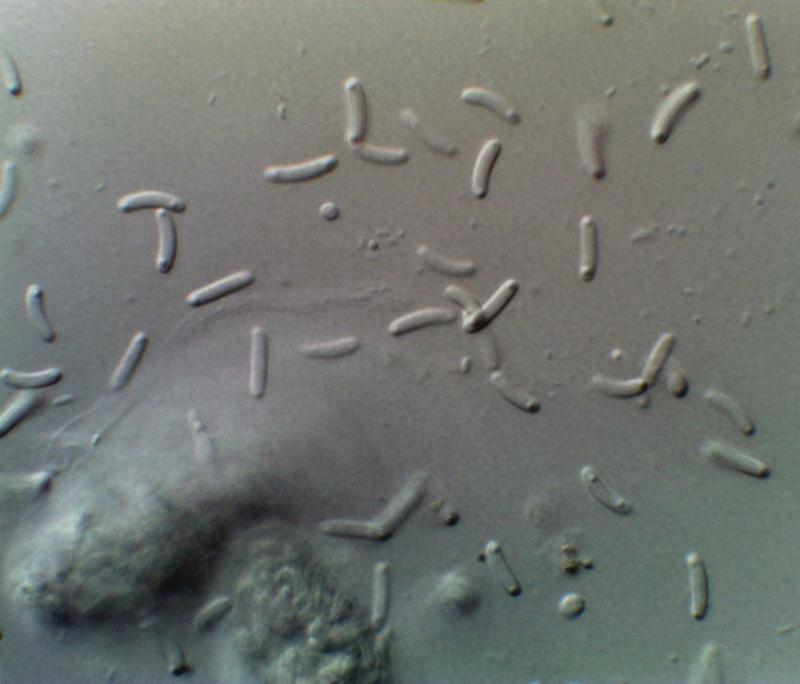
Ascospores are allantoid, with sub-polar guttules, 6.8-8.4 x 1.8-2.2µm.
I am confused - any help would be gratefully received.
Cordialement
Chris
Paul Cannon,
25-11-2017 14:31
Re : Polysporous diatrypaceous asco
I'm away and don't have access to all the literature, but I would start looking in the Calosphaeriaceae. Many are fungal parasites, or grow in the remains of other perithecial fungi. Good luck!Paul