
11-05-2026 12:32
 Bernard CLESSE
Pourriez-vous m'aider à identifier cette héloti
13-05-2026 15:26
 François Freléchoux
Bonjour,Voici une récolte faite il y a quelques j
12-05-2026 15:41
 Nicolas VAN VOOREN
Dear Ascolovers, especially interested in Pezizale
13-05-2026 12:05
 Thierry Blondelle
Bonjour à tous,J'aimerais avoir confirmation de c
10-05-2026 23:17
 Andreas Gminder
Hello,today we found in a moist steep decidous for
28-04-2026 20:07
 Lothar Krieglsteiner
... on twig in the air at standing Ceratonia siliq
27-04-2026 20:52
Lothar Krieglsteiner
Found on hanging tiwg of Olea europaea in dried-ou
11-05-2026 20:22
Lothar Krieglsteiner
on attached twig of standing Ficus caricaquite uns
29-04-2026 10:44
Lothar Krieglsteiner
growing at moist, drying-out soil at the side of a
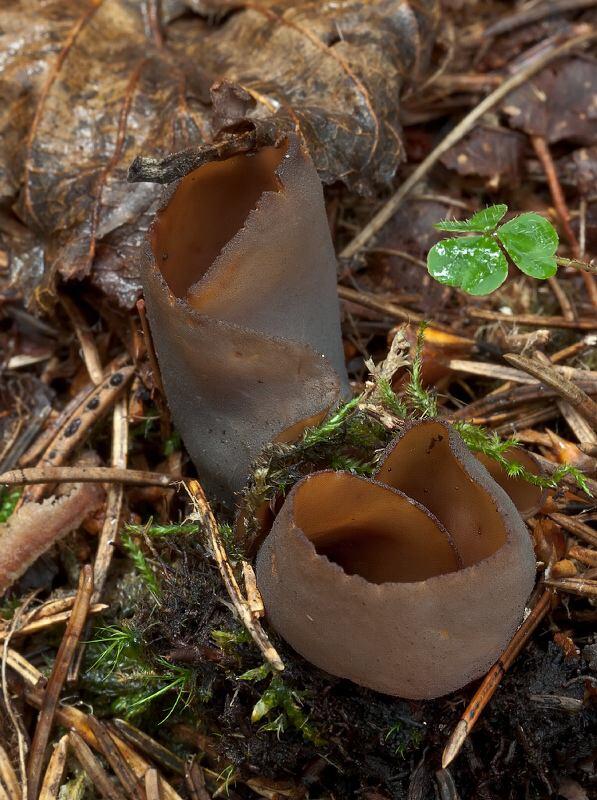
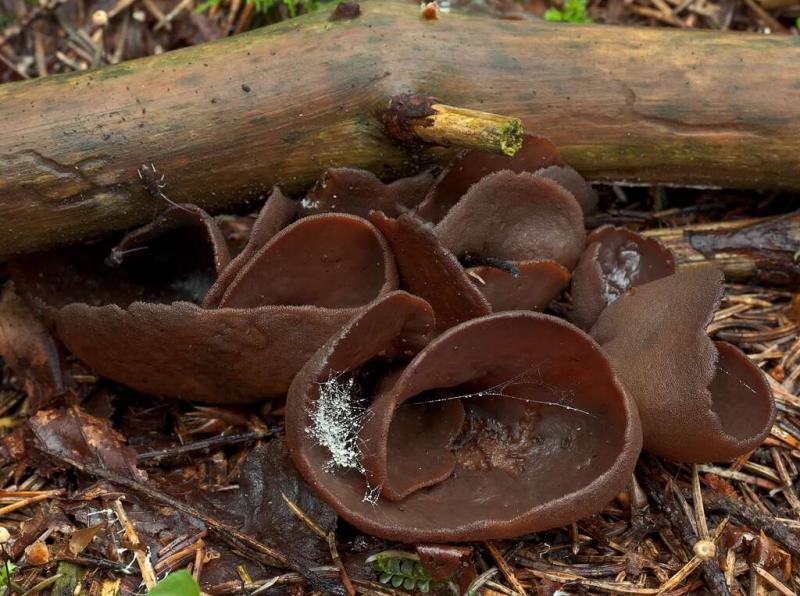
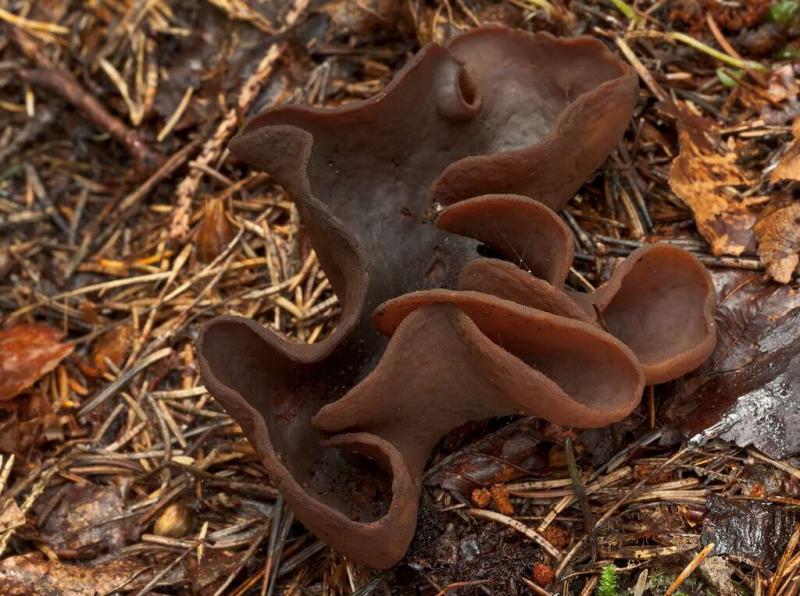
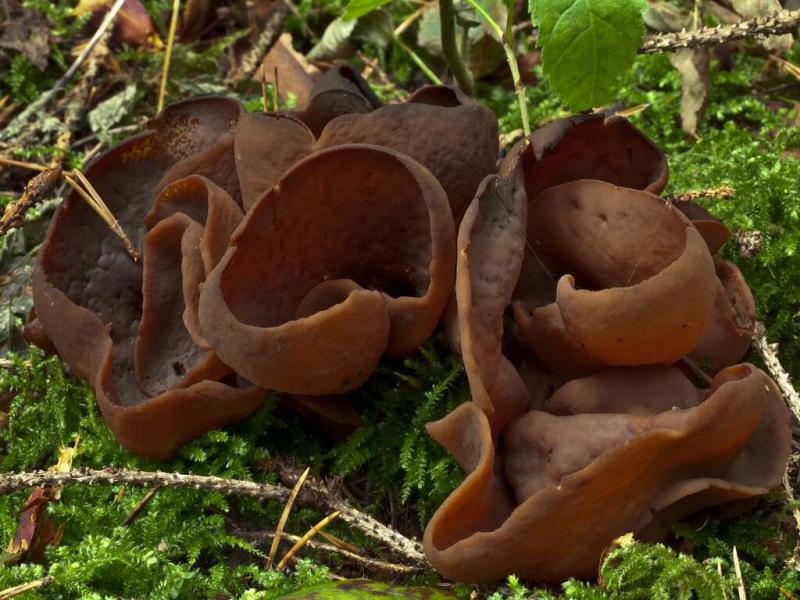
what do you think about Otidea cf. umbrina ? I found this one under Picea sp., Alnus glutinosa and Pinus sp..
Fruitbody 30-50 x 20-90 x 20-90 mm
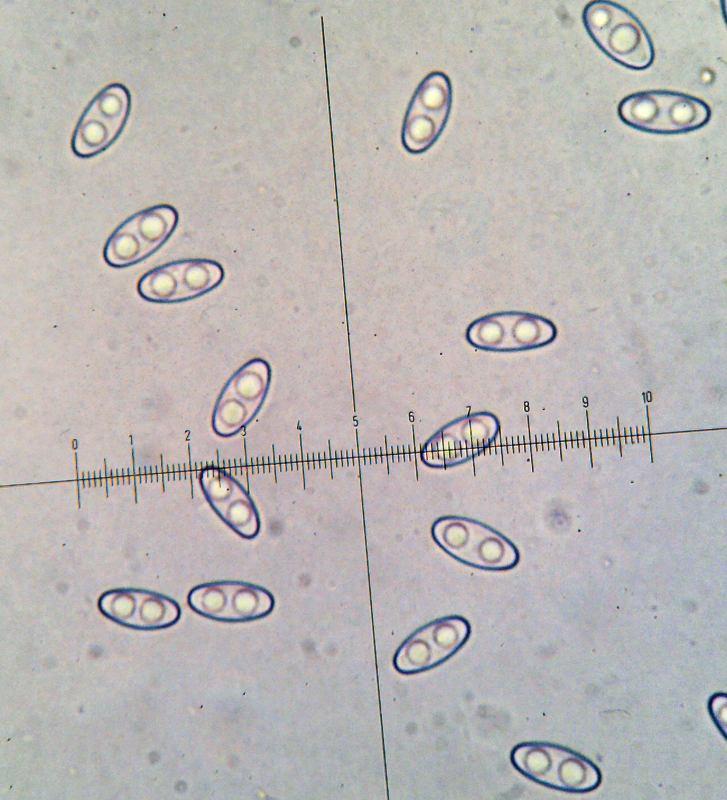
Spores (12)13-16(17) x 6-7 µm
Regards
Pavol
Hi there!
To me it looks like O. mirabilis as I can see some bluish-violaceous shades in the young ascoma of the first fruitbody. The only other species it can be is O. bufonia, with brown crystal deposits in the medullary excipulum (in water or Melzer). You should check that to rule it out.
At least in Northern Europe O. mirabilis appears to only occur in calcareous localities.
Cheers!
Ibai.
Hi Ibai
thank you very much, it will be O.mirabilis
With Best Wishes,
Palo
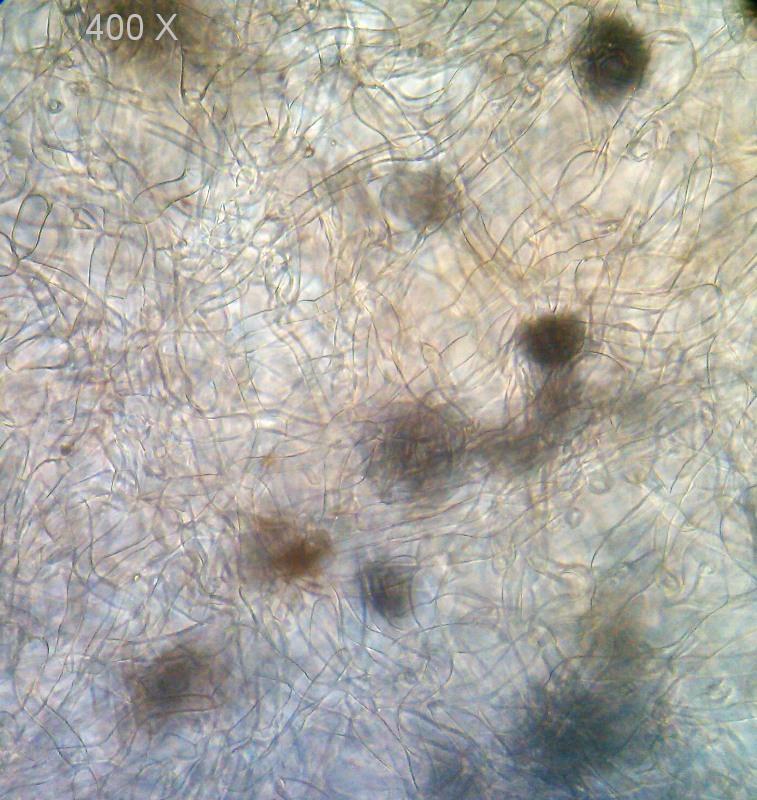
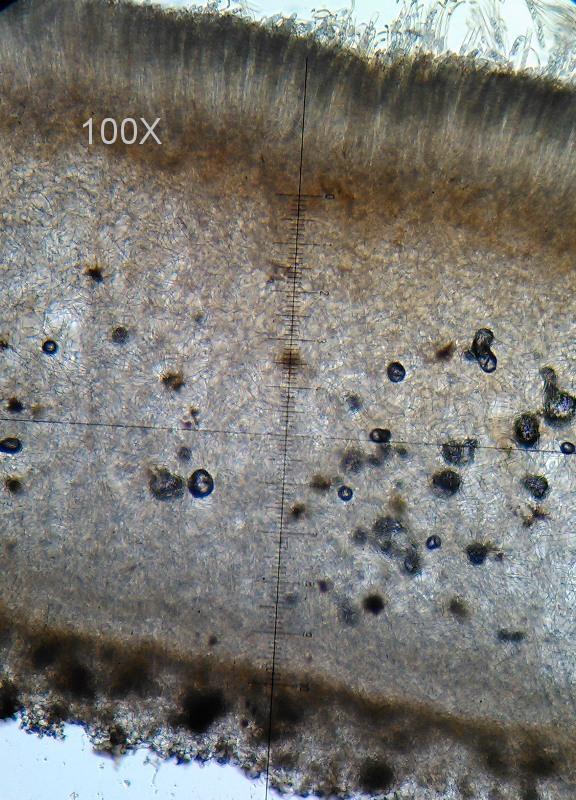
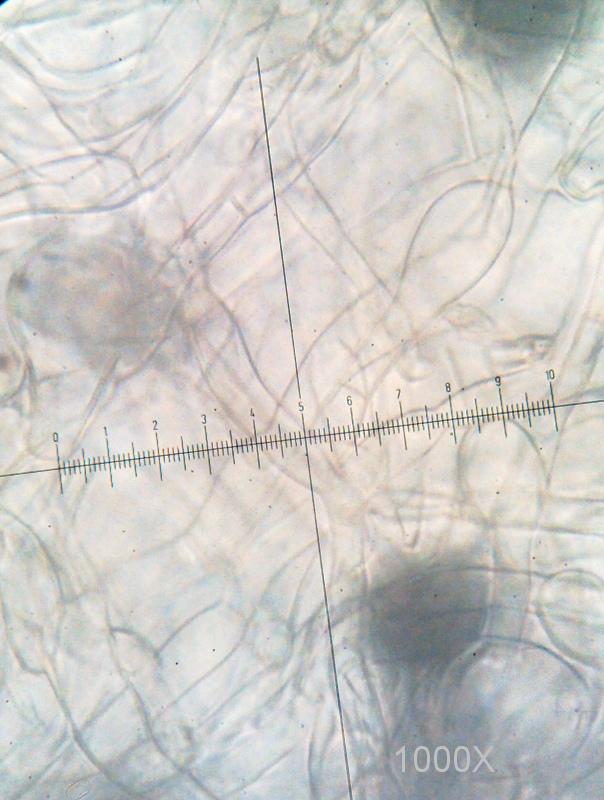
Actually it looks like the medullary excipulum has the sphaeroid brown crystaliized deposits characteritic of O. bufonia. Could you get a photo with the brown crystals in focus?
Cheers!
Ibai.
Hi Ibai
this is my best quality :-(
regards
Pavol
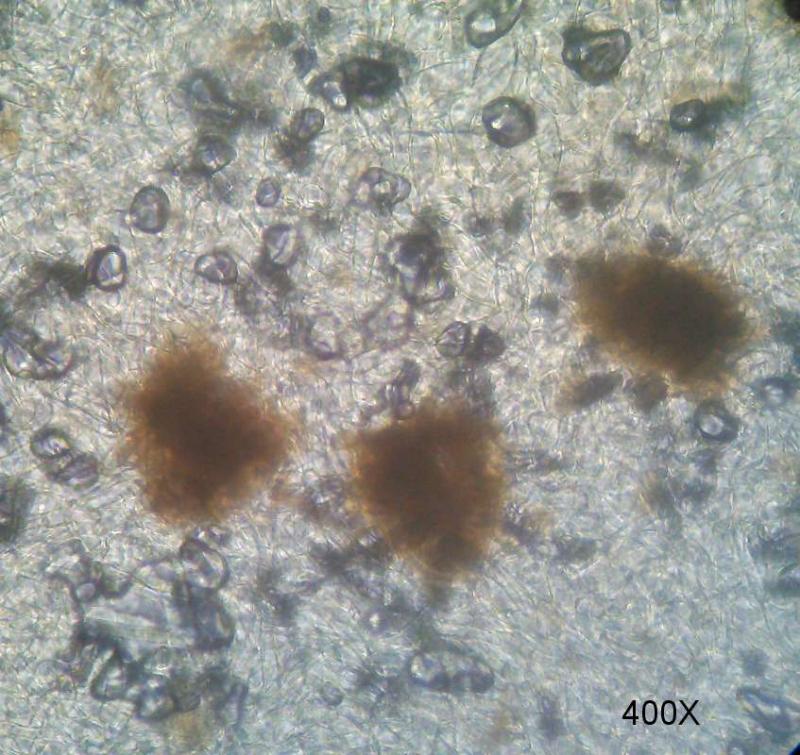
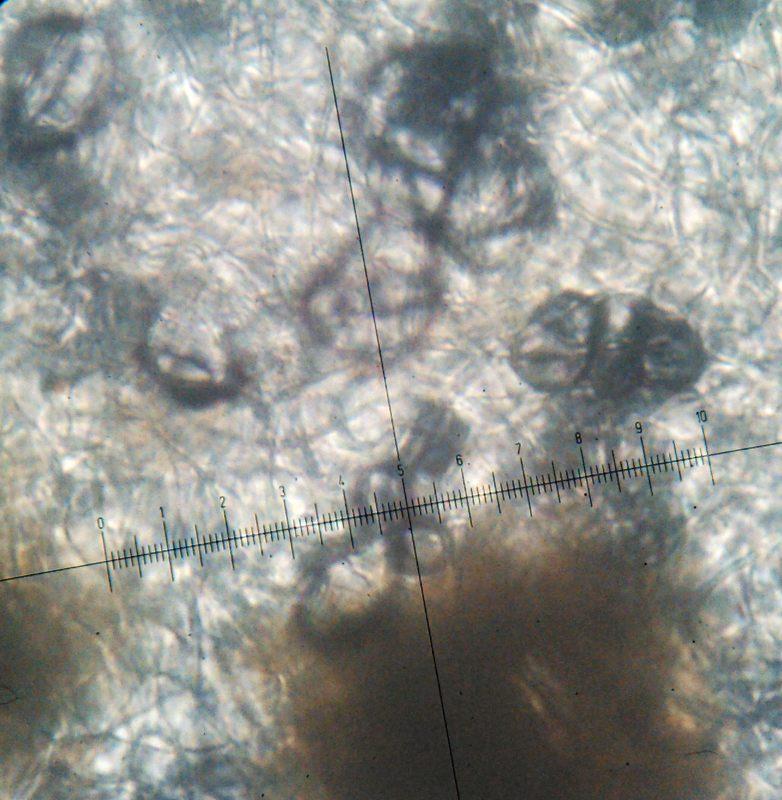
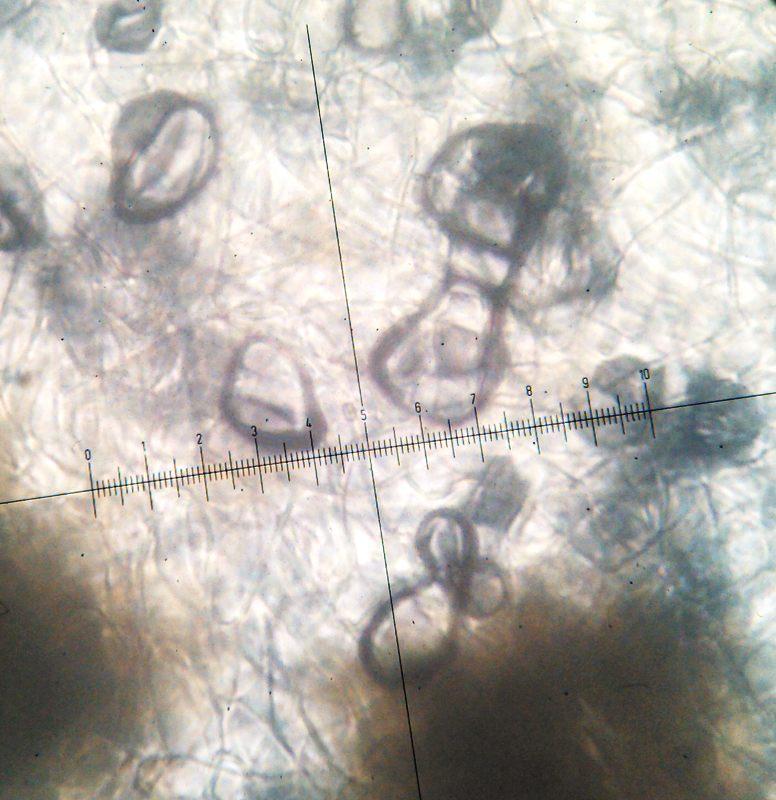
Yes, they look like those of O. bufonia. We have also seen O. bufonia specimens with light bluish shades when young and thus reminiscent of O. mirabilis, which seems to be the case. We have never seen sphaeroid crystals like those you have photographed in O. mirabilis.
Thanks!
Ibai.