
04-05-2026 16:39
 Stephen Martin Mifsud
ID request: This specimen was collected in Malta o
28-07-2011 18:31
 Alex Akulov
Dear FriendsToday I made the pdf file of Velenovsk
28-04-2026 20:07
 Lothar Krieglsteiner
... on twig in the air at standing Ceratonia siliq
04-05-2026 18:13
Stephen Martin Mifsud
ID request for what seems to be a true aquatic fun
04-05-2026 09:50
 Castillo Joseba
Me mandan el material seco de Galicia,(España) re
02-05-2026 12:42
Alain BRISSARDBonjour à tousJeuidi 30 avril dernier on m'a remi
02-05-2026 13:06
Pauline. PennaBonjour Please can someone help me with this id
01-05-2026 22:45
 Thierry Blondelle
Bonjour à tous, Une récolte sur bouse séchée d
14-04-2026 05:32
Ethan CrensonHi all, A few weeks back a friend pointed out som
Hi all
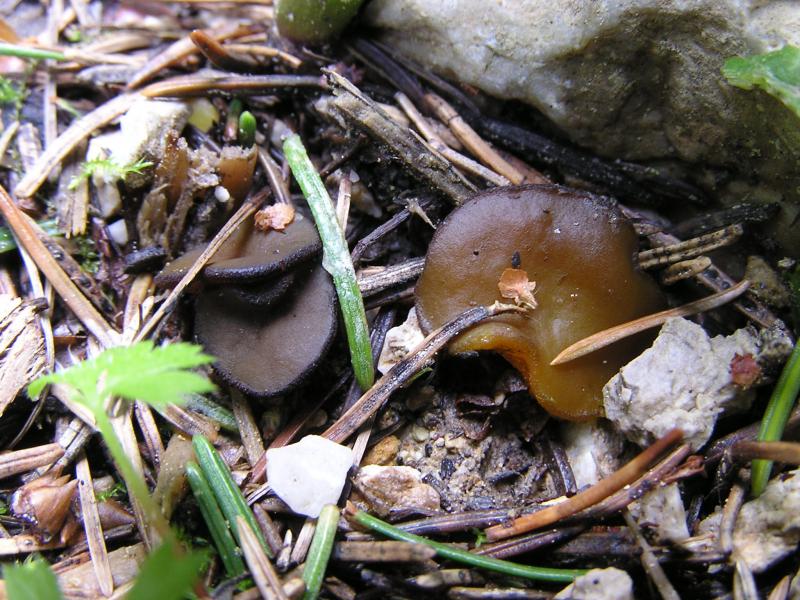
I recently found this Ascomycete in Anston Stones Wood growing on the underside of a very wet 'rotting' Fraxinus log.
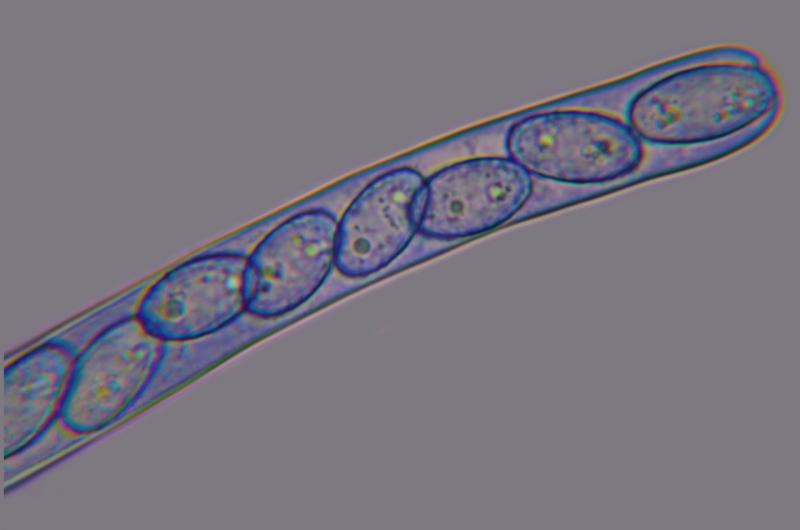
The Spores measured 17 x 8 microns. Ascus tips blue in Melzers,
Any help, comments much appreciated as always.
Best Wishes - John
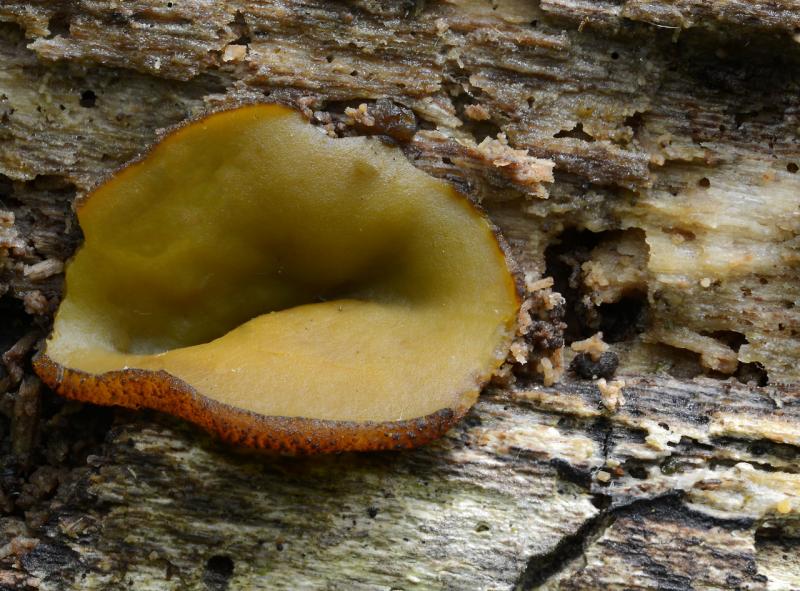
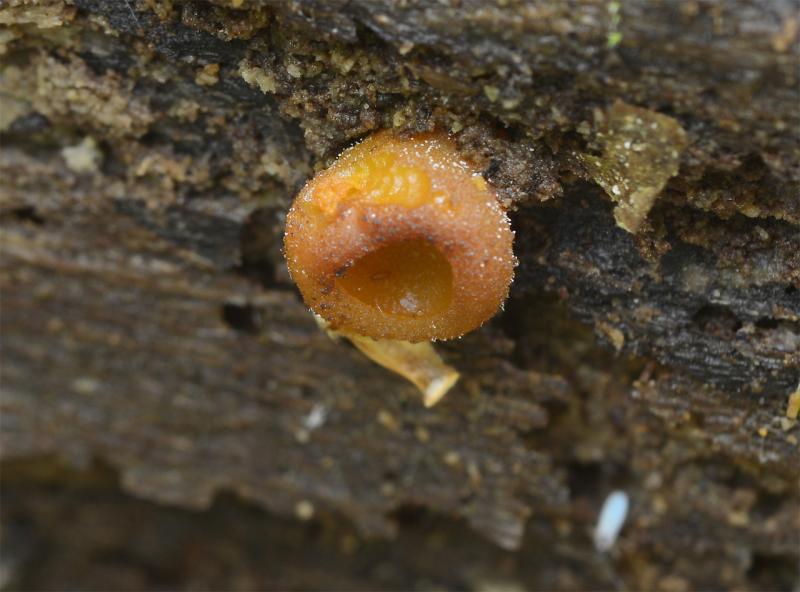
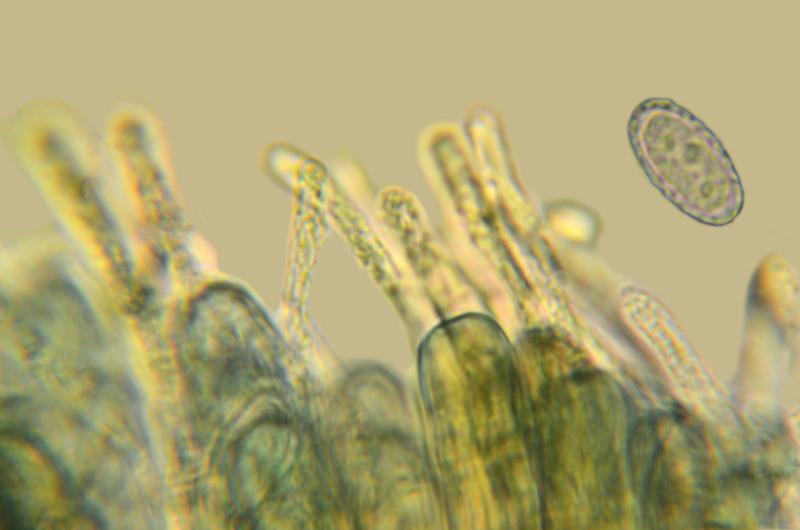
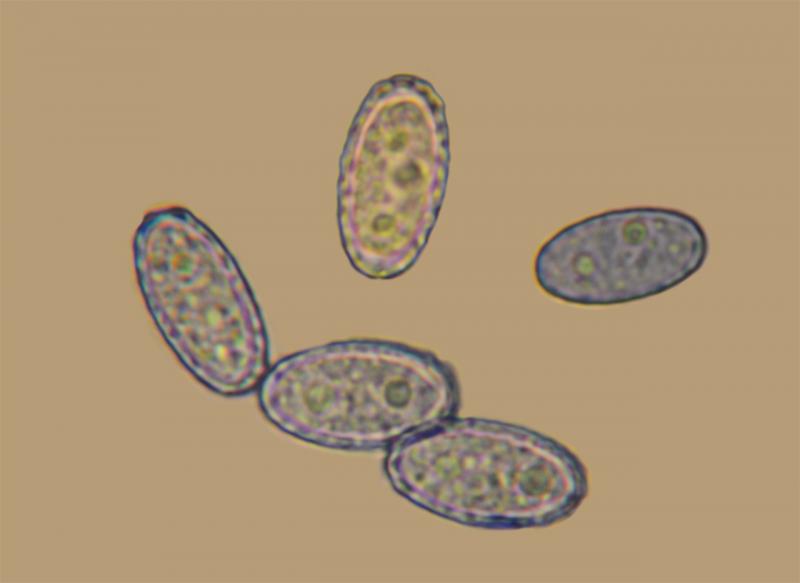
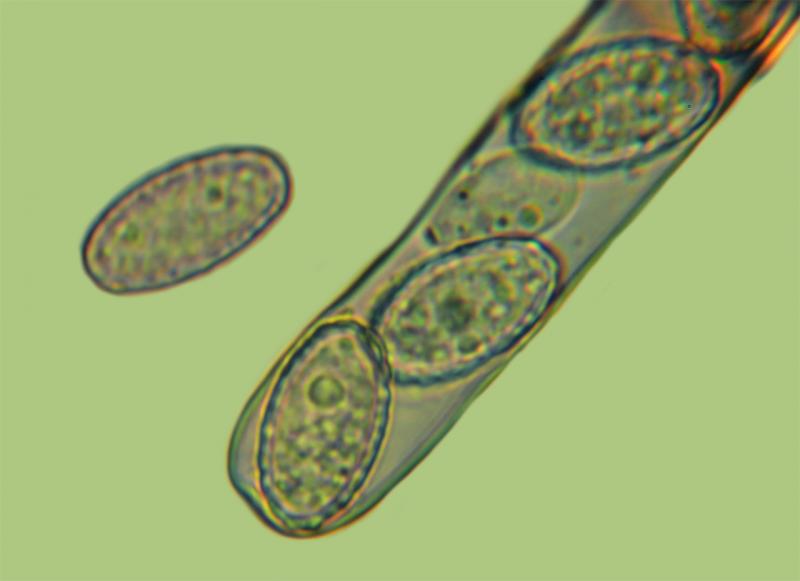

Hello,
very probably yes.
The colour change (olivaceous to ochraceous) and the shape (somewhat umbilicate) are typical for the "apiculati"-group. But to be certain we need to see mature spores and how the ornamentation looks like then. Best coloured by cotton blue.
best regards,
Andreas
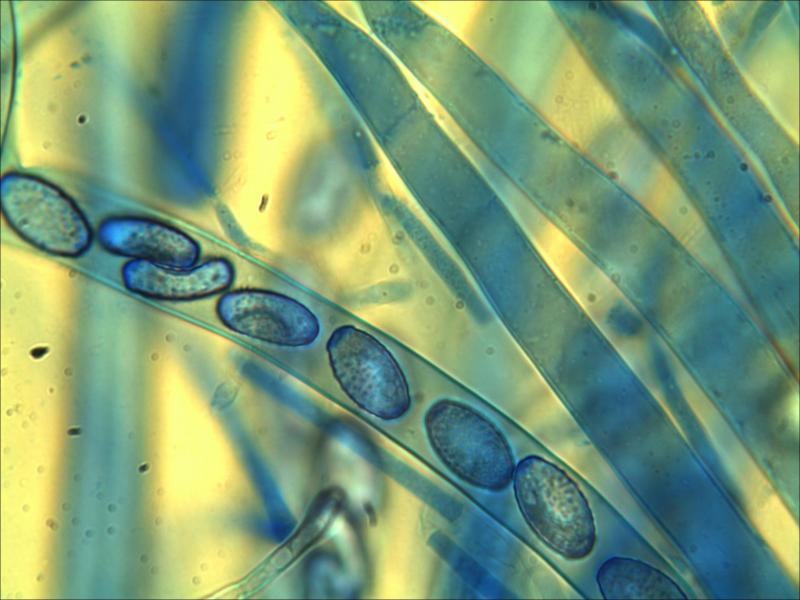
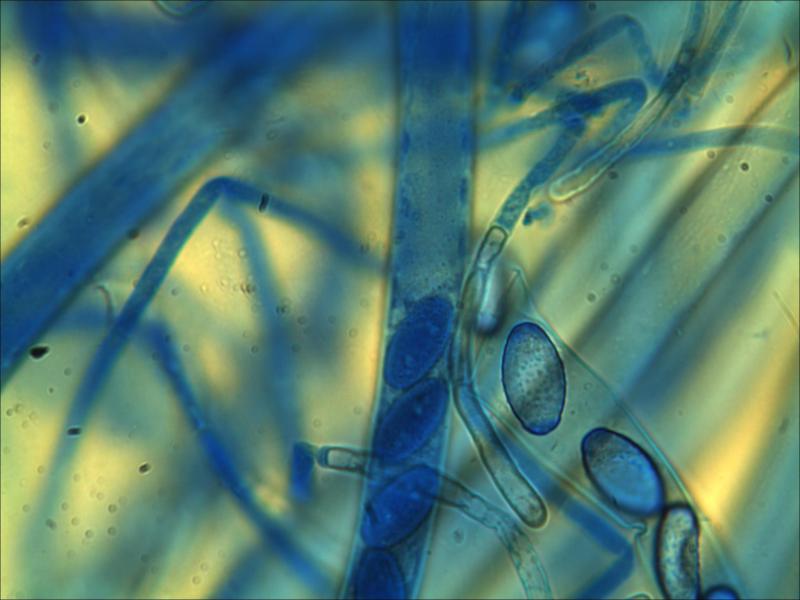
Thank you for your reply and examples. I shall have a look at the material as you suggest and update.
Very Best Wishes -John
Hello
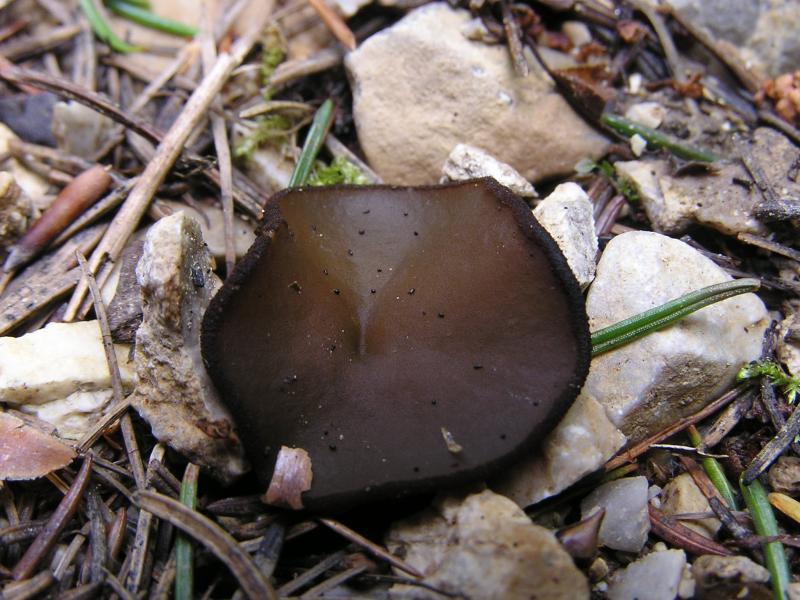
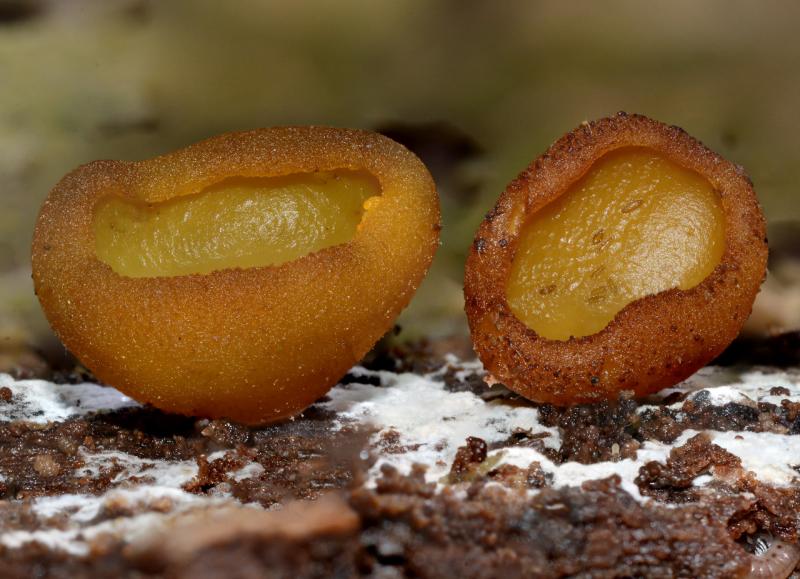
Sorry for the delay in reply but I needed to get more material. Even after a thorough search I only managed to find another 2 small Apothica 8 to 11mm dia.
I did as you suggested but still can't replicate the spore characteristic as in your images. Maybe I did not soak in CB for long enough. Should I leave longer perhaps?
Best Wishes - John
Hello John,
the two apothecia shown are very likely to be too young to have mature spores. The characteristic ornamentation is only to bee seen at really mature spores.
best regards,
Andreas
Hello Andreas.
Yes I think I only have very young material as you suggest. I'll keep an eye on the 'log' for any further development but will name the fungus cf Peziza polaripapulata for now.
Thanks again for all your help.
Best Wishes - John